
Introduction
French spoken in Quebec and French spoken in France share a common root but have diverged over centuries. These differences affect vocabulary, pronunciation and formal registers used in legal, immigration and business paperwork. When preparing documents for Quebec or Canadian authorities, using the correct variety of French can prevent delays, refusals or perceived unprofessionalism. This article outlines the key distinctions and offers practical guidance for ensuring your translations and filings meet provincial and federal expectations.
Why the Difference Matters
The variant of French chosen for a translation or official form signals whether the language fits local legal standards and cultural norms. In Quebec, French is the official language under the Charter of the French Language (commonly known as Bill 101). More recent reforms, introduced through Bill 96 (2021), reinforced measures to promote and protect French across public life and administrative processes. Provincial institutions often expect Quebec French terminology and formal registers, and federal departments such as Immigration, Refugees and Citizenship Canada (IRCC) may require specific wording for acceptance of submitted materials.
Key Linguistic Differences
Vocabulary and Terminology
Quebec French frequently prefers homegrown or adapted terms instead of English borrowings. Examples commonly encountered include the use of courriel for email and téléphone intelligent for smartphone. These lexical choices are not merely stylistic: they reflect institutional preferences and legal norms in Quebec. For official or administrative documents destined for provincial authorities, adopt the vocabulary recognized by Quebec language institutions to avoid rejection or requests for correction.
Pronunciation and Accent
The Quebec accent stems from early French settlers and has retained features that differ from metropolitan French. While pronunciation does not directly affect written documents, it influences spelling choices in regionally marked words and idiomatic expressions. Professional translators working for cross-Atlantic audiences must be aware of these differences to ensure clarity and perceived authenticity.
Grammar and Formal Register
Beyond vocabulary, there are syntactic and register differences. Quebec French can preserve older grammatical forms and use informal second-person constructions in spoken contexts; however, for legal, notarial and administrative writing a formal register aligned with Quebec standards is required. This means using precise legal terminology, standardized phrasing and avoiding informal constructions that could weaken a document’s legal standing.
Institutional Influence
Quebec maintains language oversight through agencies that publish recommendations and rules for public and commercial use of French. Those institutions promote terms and usages that strengthen the presence of French in business, education and government. Federal agencies also have their own expectations when accepting French-language submissions. Translators and filers should consult current provincial and federal guidance to ensure compliance.
Practical Recommendations for Documents and Translations
- Identify the destination: Determine whether documents are for provincial (Quebec) or federal use. Use Quebec-standard French for Quebec filings and the appropriate register for federal submissions.
- Use official terminology: Prefer Quebec-approved equivalents for English loanwords when preparing materials for Quebec agencies.
- Choose experienced linguists: Work with translators familiar with Quebec legal and administrative conventions, especially for immigration, contracts and corporate filings.
- Request certified translations when required: Federal immigration and other federal processes may request certified or sworn translations that meet their formatting and wording standards.
- Review recent legislation: Stay informed about relevant laws and updates—such as the Charter of the French Language (Bill 101) and Bill 96—to ensure language use aligns with current obligations and expectations.
Conclusion
Although Québécois and European French are mutually intelligible, the differences matter in official and professional contexts. Using the correct variety—especially for legal, corporate and immigration documents—reduces the risk of delays and ensures compliance with provincial and federal requirements. When in doubt, consult a translator experienced with Quebec language norms and the specific rules of the receiving agency.
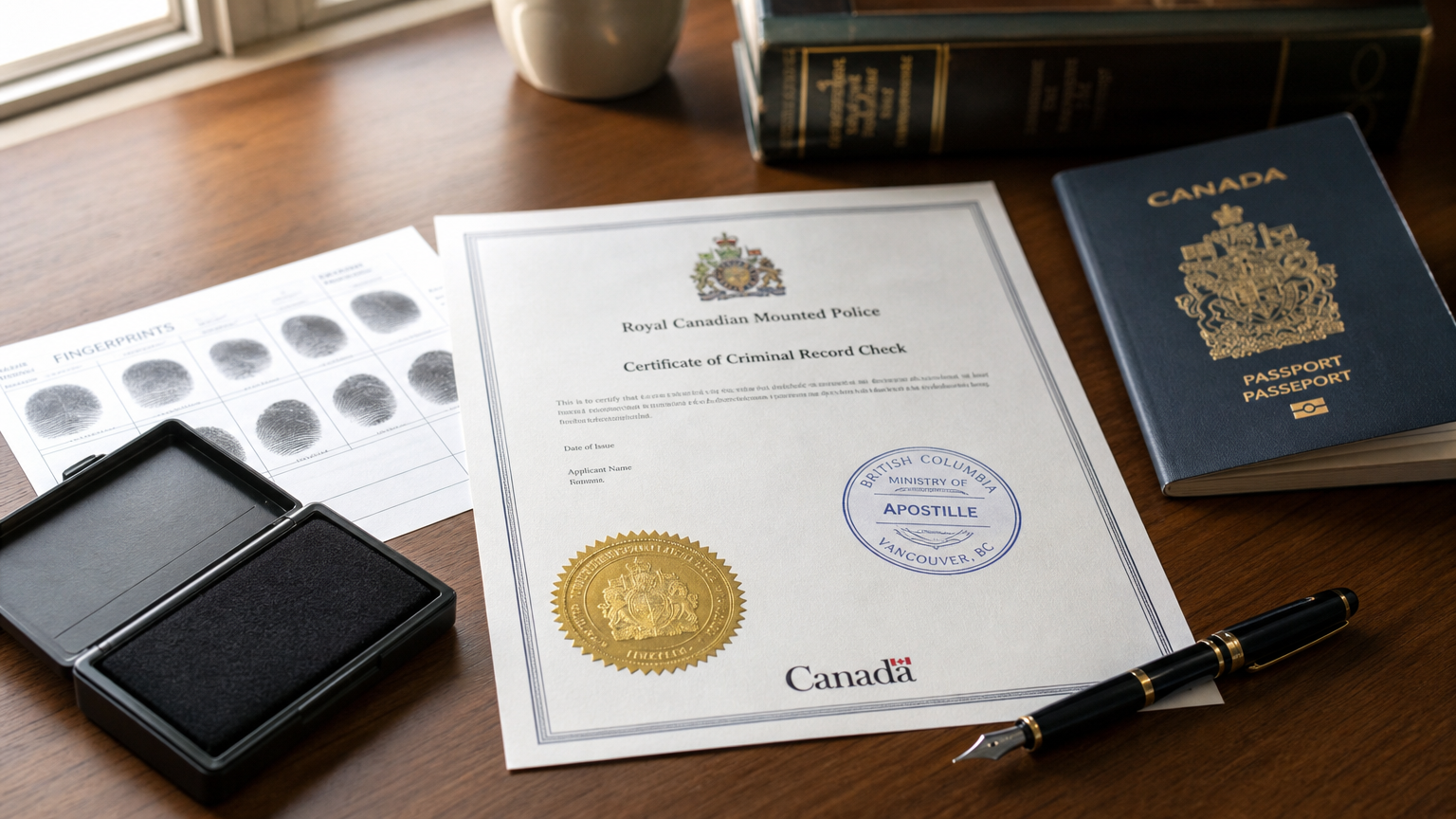
Step-by-step guide to getting an apostilled RCMP fingerprint-based criminal record check in Canada after joining the Hague Convention on Jan 11, 2024.

How Ontario common‑law couples can use a cohabitation agreement to protect property, clarify debts and limit spousal support risks.

Explain types of statutory declarations used to prove common‑law relationships in Canada, what they require and how to prepare them.

Overview of remote and online notary services across Canadian provinces, rules, ID requirements, and how to book—updated June 16, 2026.