
Introduction
Remote and online notary services have expanded across Canada, offering a convenient alternative to in-person notarizations. This guide explains how online notary and commissioner services work, summarizes provincial and territorial rules, outlines common requirements for appointment and ID verification, and provides steps to book an online notary appointment. Updated June 16, 2026.
Key takeaways
- Many provinces permit some form of remote or virtual notarial services, though rules vary by jurisdiction.
- Commissioners of oaths and notaries have distinct powers and duties; both can be involved in sworn or certified documents depending on local law.
- Acceptable identity verification methods commonly include video ID checks and government-issued identification; some jurisdictions require additional witness or attestation procedures.
- Before using remote services, confirm provincial requirements for your document type—real estate, affidavits, and powers of attorney may have stricter rules.
- Booking an online appointment typically involves providing the document, valid ID, and following the notary’s verification steps; check whether the document must be witnessed or accompanied by supporting paperwork.
Online notary services in Canada
Online notary services let individuals have documents notarized or sworn via video conferencing and electronic signatures. Some provinces have enacted temporary or permanent pathways for remote notarization; others maintain traditional in-person rules but permit certain remote procedures for commissioners of oaths or other officials. The exact scope—what documents are allowed, who may act as the notary, and what technology is permitted—differs by province and territory.
Are online notary services legal in Canada?
Yes, in many parts of Canada remote notarization or virtual commissioning is legal, but it depends on provincial or territorial legislation and regulations. Several jurisdictions updated rules in recent years to allow remote witnessing, electronic signatures, or videoconference verification. Always verify the local statute or regulatory guidance that applies to the specific document you need notarized.
Responsibilities of commissioners and notaries
Commissioners of oaths and notaries public have overlapping but distinct responsibilities. Common duties include:
- Administering oaths and affidavits.
- Certifying the authenticity of signatures and copies of documents.
- Verifying identity through acceptable ID documents and, where permitted, through live video checks.
The exact powers and limitations of each role are set by provincial or territorial law. For example, some places authorize commissioners to take affidavits but restrict them from performing certain notarial acts reserved for notaries public.
Requirements for online notary appointments across Canada
While specific procedures differ, common requirements include the following elements:
- Valid government-issued photo identification (passport, driver’s licence, or provincial ID).
- Clear, unaltered documents presented electronically and, where required, original hard copies for later certification.
- Live video verification so the official can observe the signer and confirm identity.
- Witnesses, if required for the document type; some jurisdictions allow remote witnessing by authorized witnesses, while others require in-person witnessing.
- Electronic signatures or certified digital seals where permitted; in some cases an original handwritten signature may still be required.
Provincial approaches to online notary services
Provinces have followed different paths in authorizing remote notarization and commissioning. Below is a general overview of the kinds of rules you may encounter in each province. Verify the current rules in your jurisdiction before proceeding.
Ontario
Ontario permits remote commissioning for certain documents under regulatory guidance, including videoconference verification in some situations. Specific requirements cover ID verification, recordkeeping by the commissioner, and conditions for remote witnessing.
British Columbia
British Columbia allows remote notarization and certain electronic notarial acts when statutory rules are followed. Notaries and commissioners must comply with identity-verification standards and maintain a record of the notarization.
Alberta
Alberta has frameworks that enable video witnessing or remote commissioning for many routine documents. Requirements typically include presentation of government photo ID and adherence to prescribed witnessing procedures.
Quebec
Quebec has distinct civil-law rules. Remote notarization is available in limited and specific circumstances, often under stricter formalities than in common-law provinces. Confirm whether a sworn or notarial act can lawfully be performed remotely for your document type.
Other provinces
Provinces not detailed above generally follow similar principles: they may permit video-based identity verification and electronic signatures for some documents, while retaining in-person requirements for others—especially real estate transactions or certain powers of attorney. Always check the local regulatory guidance.
Online notary service regulations in Canadian territories
Territories follow territorial statutes and may allow remote notarization through videoconference or designated officials. As with provinces, the scope and permitted document types vary; consult territorial guidance for specific requirements and any limits on remote acts.
How to book an online notary appointment
Booking an online notary appointment is generally straightforward. Typical steps include:
- Prepare the document to be notarized and ensure any required sections for the notary are blank.
- Gather valid government-issued photo ID and any additional supporting documents.
- Contact a licensed notary or commissioner in the relevant province or territory and confirm they are authorized to perform the act remotely.
- Follow pre-appointment instructions, which may include emailing or uploading the document securely and confirming witness arrangements.
- Join the scheduled video call on time, present your ID and the document, and complete any required electronic signatures or attestations during the session.
- Receive the notarized document in the agreed format—electronically with a digital seal or as an original paper copy when required.
Practical tips and common pitfalls
- Confirm jurisdiction: the official performing the notarization should be commissioned in the province or territory whose rules govern the document.
- Check acceptability: some institutions (courts, government agencies, foreign authorities) may not accept remote notarizations—verify before relying on a remote service.
- Maintain originals: for certain transactions, you may still need original signed documents even if a remote notarization was completed.
- Recordkeeping: ask whether the notary retains a recording or log of the verification and how long it will be kept.
Conclusion
Remote and online notary services can save time and increase access to notarial acts, but rules differ across Canada. Before booking an appointment, confirm provincial or territorial requirements, gather acceptable ID, and ensure the receiving party will accept a remotely notarized document. If in doubt, consult the regulating authority in the relevant jurisdiction for the most current guidance. This guide was updated on June 16, 2026.
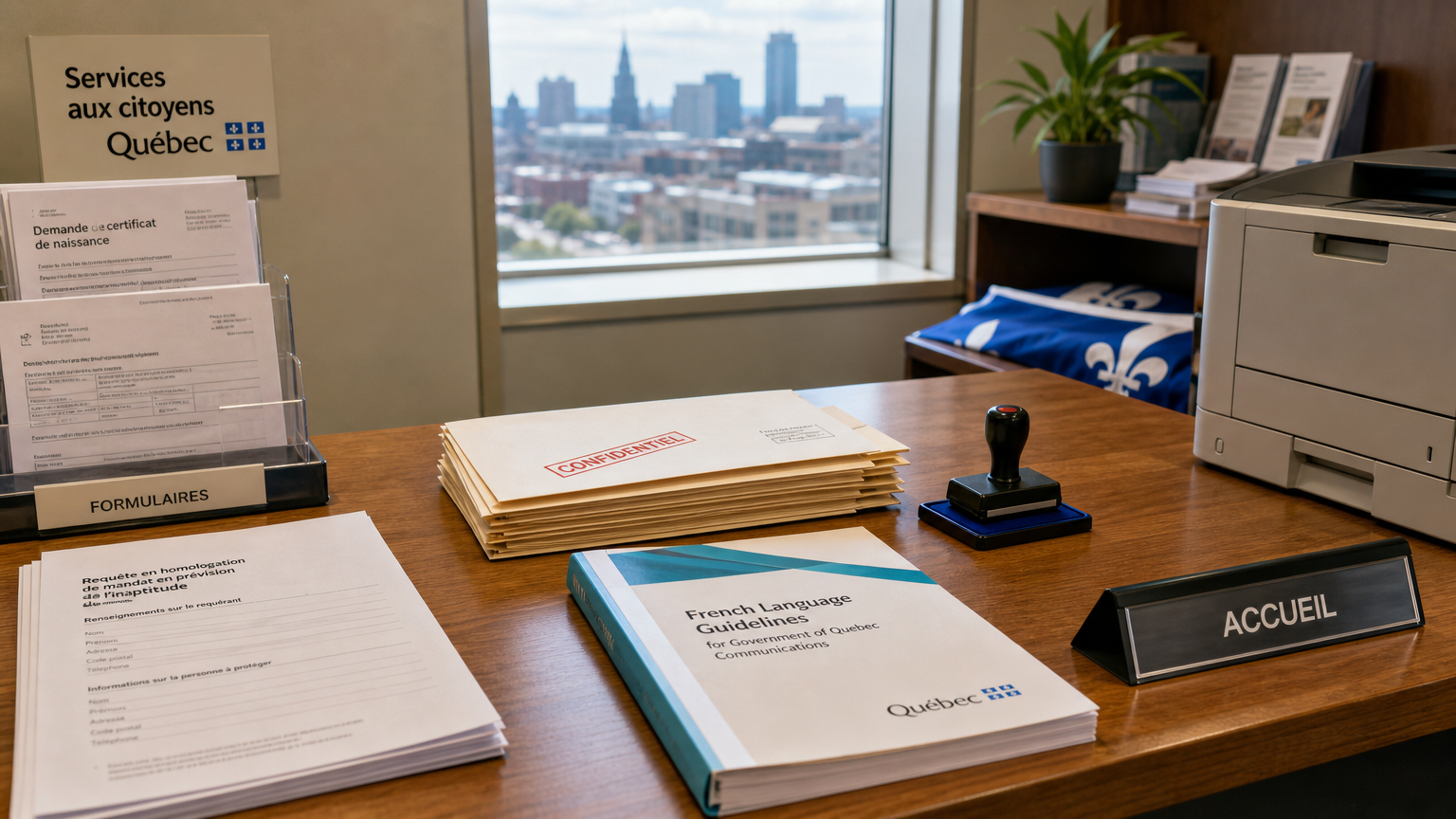
Understand the differences between Quebec and European French to ensure legal, immigration and business documents meet Quebec and Canadian requirements.
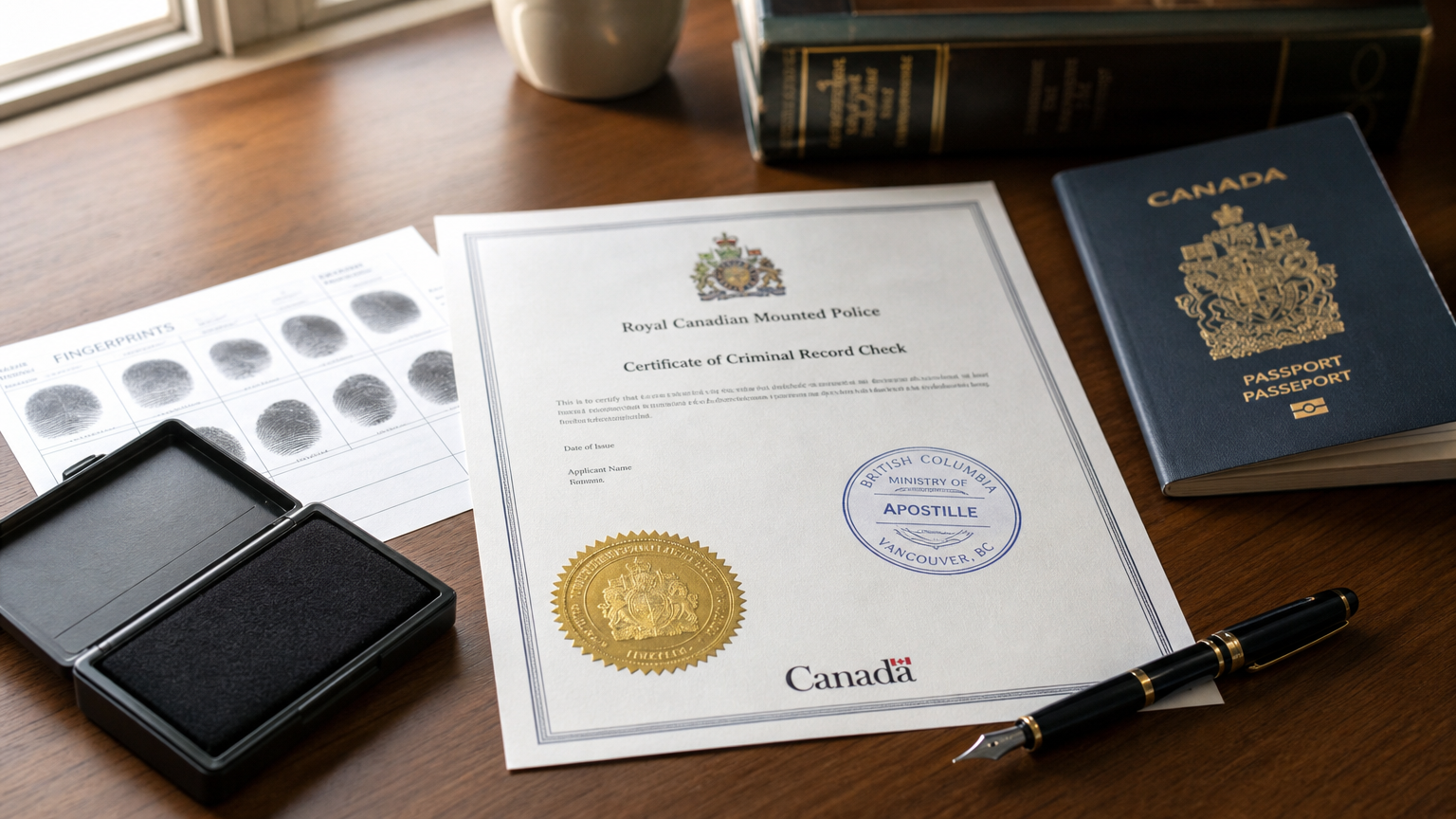
Step-by-step guide to getting an apostilled RCMP fingerprint-based criminal record check in Canada after joining the Hague Convention on Jan 11, 2024.
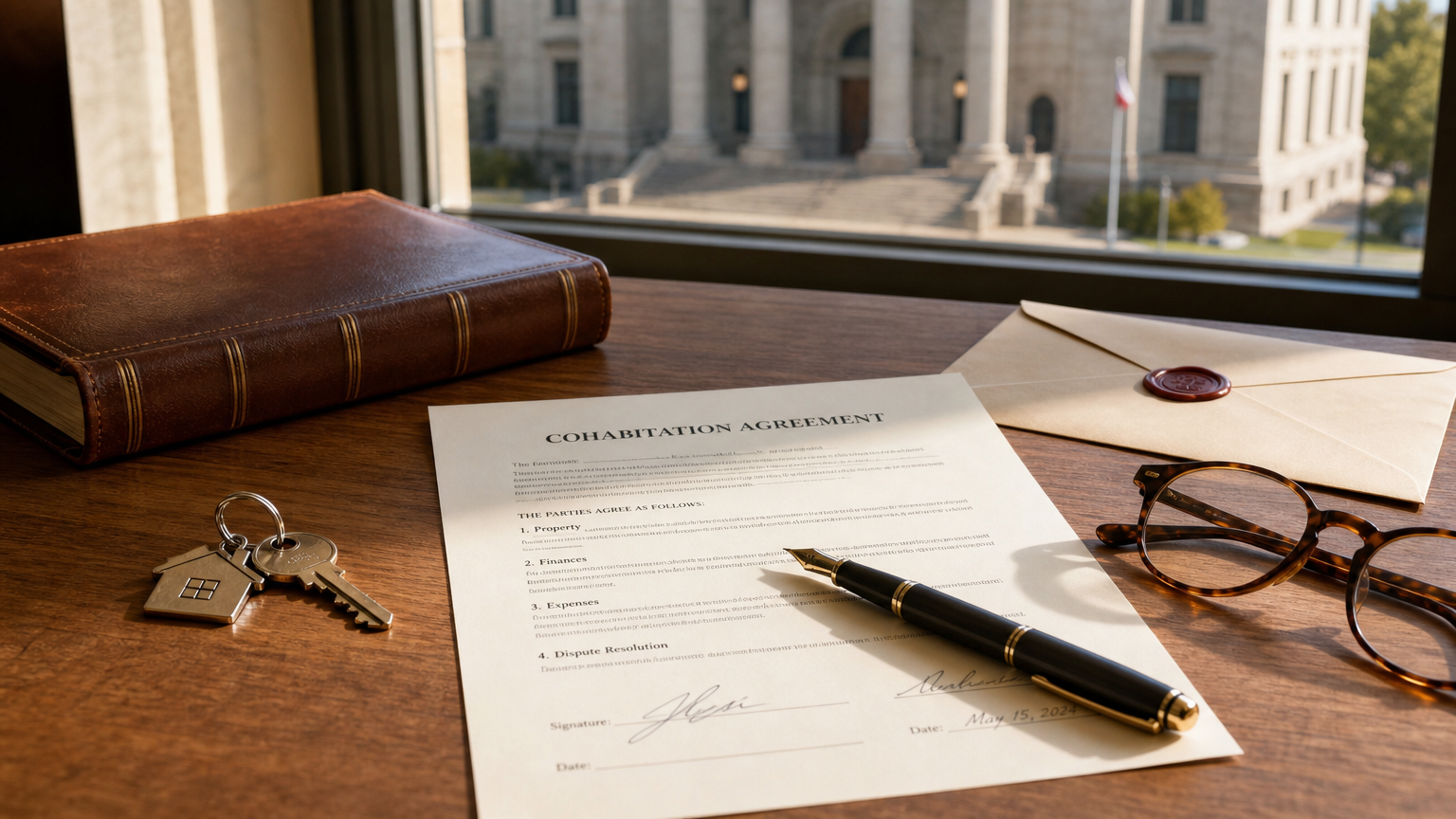
How Ontario common‑law couples can use a cohabitation agreement to protect property, clarify debts and limit spousal support risks.

Explain types of statutory declarations used to prove common‑law relationships in Canada, what they require and how to prepare them.