
Introduction
Living together in Ontario creates practical and emotional ties, but it can also produce unexpected financial obligations. This article explains how a written cohabitation agreement can reduce the financial risks that arise for couples who live together but are not married. Updated on January 9, 2026 • 7 min read.
Key takeaways
- A cohabitation agreement is a written contract that clarifies financial and property arrangements for couples living together.
- In Ontario, an unmarried person may be treated as a spouse under provincial family law after cohabiting for at least three years, or sooner if the couple are parents.
- Agreements can address spousal support, property ownership, debt responsibility and estate issues, but must meet legal requirements to be enforceable.
Legal implications of common‑law status in Ontario
Under Ontario family law, an unmarried partner is considered a spouse for the purpose of spousal support if the couple have cohabited continuously for at least three years or if they are in a relationship of some permanence and are the parents of a child. Unlike married spouses, common‑law partners do not automatically share in equalization of family property, but they can still have enforceable claims for spousal support and other financial remedies.
How a cohabitation agreement regulates spousal support
A cohabitation agreement lets partners set expectations about whether spousal support will be available and, if so, how much and for how long. The agreement can:
- Provide for a waiver or limitation of spousal support;
- Specify formulas or fixed sums for support in the event of separation; and
- Set timelines or other conditions that trigger support payments.
For the agreement to be reliable, both parties should give full financial disclosure and obtain independent legal advice before signing. Courts may refuse to enforce terms that are unconscionable, signed under duress, or entered into without adequate disclosure.
Protecting your property with a cohabitation agreement
Ontario does not treat common‑law partners the same as married spouses for automatic division of property. That makes it important to record ownership and intentions in writing. A cohabitation agreement can:
- Identify which assets are considered individual property and which are joint property;
- Set out how proceeds from a sale or appreciation in value will be shared; and
- Establish rules for household contributions, investments and purchases made during the relationship.
Clear written terms reduce uncertainty and the potential for costly disputes when the relationship ends.
Addressing spousal support through the estate
A cohabitation agreement can include provisions about entitlements on death, such as whether a surviving partner may make a claim against an estate for support. While parties can agree to limit or waive certain claims, estate-related clauses should be drafted carefully and coordinated with testamentary documents to reflect the parties’ true intentions and to avoid unintended consequences for beneficiaries.
Clarifying debt repayment responsibility
Debt concerns are a common source of dispute. A cohabitation agreement can allocate responsibility for existing liabilities and for debts incurred during cohabitation. Typical approaches include:
- Specifying which partner is responsible for particular loans or credit accounts;
- Agreeing how joint debts will be paid on separation; and
- Describing how household bills and shared expenses are to be split while living together.
Documenting these arrangements can protect a partner from being held responsible for another’s private debts and can help with creditor disputes.
Avoiding complex court cases
When financial expectations are unclear, separation or death can lead to complicated, expensive litigation. A thorough cohabitation agreement reduces ambiguity and provides a roadmap for resolving financial issues without court intervention. Important elements that support enforceability include:
- Written form and signatures by both parties;
- Full and honest financial disclosure before signing;
- Evidence that both parties received independent legal advice; and
- Reasonable and fair terms that were not imposed under pressure.
Draft a cohabitation agreement today
Couples who want certainty should consider preparing a cohabitation agreement early in their relationship or before making major financial commitments, such as buying a home together. Professional advice helps ensure the agreement is clear, enforceable and tailored to the couple’s specific needs.
Conclusion
Cohabitation agreements are a practical tool for common‑law partners in Ontario who want to manage financial risk and reduce the likelihood of future disputes. By clarifying spousal support, property rights, debt responsibilities and estate expectations in writing—with full disclosure and independent advice—couples can protect both their finances and peace of mind.

Learn whether Canadians need a UAE visa, the 90-day visa-on-arrival rule, passport validity requirements, and steps for temporary residents and document preparation.
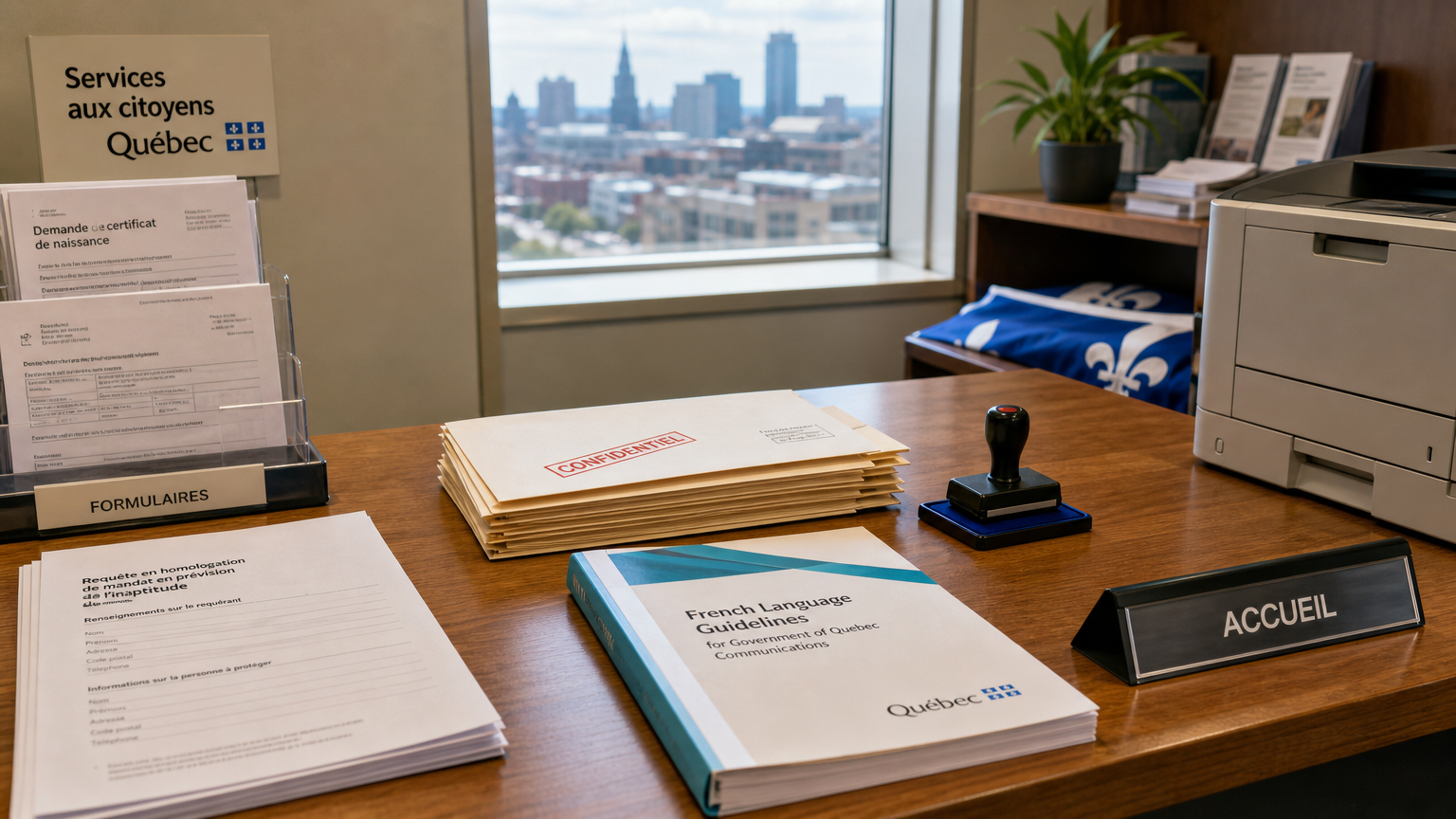
Understand the differences between Quebec and European French to ensure legal, immigration and business documents meet Quebec and Canadian requirements.
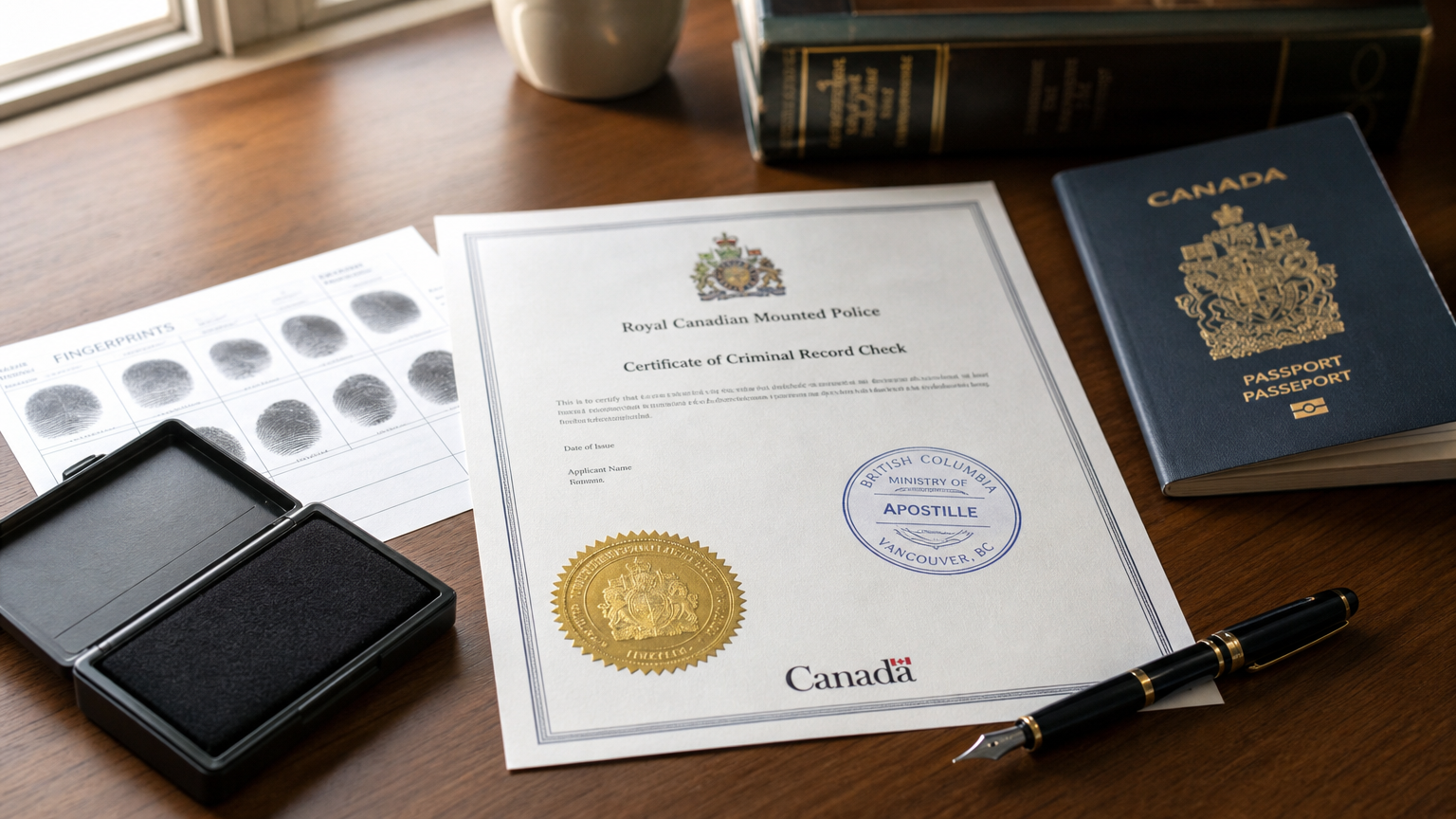
Step-by-step guide to getting an apostilled RCMP fingerprint-based criminal record check in Canada after joining the Hague Convention on Jan 11, 2024.

Explain types of statutory declarations used to prove common‑law relationships in Canada, what they require and how to prepare them.