
Table of Contents
Table of Contents

–
What is Notarization?
Notarization is a formal process in which the role of a notary public, a licensed official, certifies the authenticity of signatures on documents, witnesses the signing of important documents, and verifies that the individuals involved are who they claim to be. This process plays an important role in ensuring the legality of certain transactions and agreements, providing an extra layer of trust and reliability. Notarization is particularly vital in legal, financial, and real estate transactions, where the stakes are high and the potential for fraud is significant.
Types of Documents That Require Notarization
Numerous documents may require notarization, depending on the legal requirements of a jurisdiction. Common examples include:
- wills
- powers of attorney
- affidavits
- real estate deeds
- contracts
Certain financial documents, such as loan agreements, also often necessitate notarization to ensure their legality. Each of these documents serves a specific purpose and often involves significant financial or legal implications, underscoring the importance of a notary in affirming their authenticity.
–
The Role of a Notary Public in Preventing Fraud
Functions of a Notary Public
A notary public serves multiple functions beyond merely witnessing signatures as they provide the necessary verification and authentication. They verify the identity of signers, ensure that individuals are signing documents willingly and without coercion, and maintain a record of the notarization process. This documentation can include a notary journal, which records details such as the type of document, the signature, and the date of the notarization. This comprehensive approach helps create a reliable trail of evidence that can be reviewed if disputes arise.
How Notaries Deter Fraudulent Activities
Notaries act as a deterrent against fraud by employing rigorous verification processes. By requiring valid identification and confirming the signer’s understanding of the document, notaries reduce the risk of fraudulent activities significantly. Additionally, the presence of a notary can discourage individuals from attempting to forge signatures or create false agreements, as the risk of detection is heightened. This preventive role is vital in maintaining the integrity of legal documents.
Case Studies of Notary Fraud Prevention
Numerous instances highlight the effectiveness of notaries in fraud prevention. For example, in a case involving fraudulent property transfers, a vigilant notary recognized discrepancies in the documents presented and halted the transaction. Their attentiveness to detail ensured that the rightful owner retained control over their property. Additionally, in cases of identity theft, notaries have played crucial roles in verifying the identities of individuals, successfully thwarting attempts to manipulate documents for illicit gain.
–
Importance of Verifying Identity and Signatures
Methods of Identity Verification
Identity verification is a cornerstone of the notarization process. Notaries typically require signers to present valid government-issued identification, such as a driver’s license or passport, to confirm their identity. Some notaries may also use additional methods, such as biometric verification or knowledge-based authentication questions, to further ensure that the individual signing the document is indeed who they claim to be. These stringent identity verification practices are essential in preventing fraud and protecting all parties involved in a transaction.
Signatures: Authenticity and Legitimacy
The authenticity of signatures is another critical aspect of notarization. Notaries are trained to recognize genuine signatures and to identify forgeries. This expertise allows them to validate that the individual signing the document is the one who is supposed to sign it. By authenticating signatures, notaries help to uphold the legitimacy of legal documents, ensuring that they can be relied upon in court or during financial transactions.
Consequences of Inaccurate Verification
Inaccurate verification of identity and signatures can lead to severe consequences. If a document is later found to be fraudulent due to a notary’s negligence in verifying the parties involved, the legal integrity of the document may be compromised, resulting in potential financial loss or legal disputes. A notary’s oversight can lead to significant ramifications, not only for the parties involved but also for the notary themselves, who may face legal liability or lose their certification.
–
Legal Recognition of Notarized Documents
How Notarization Enhances Legal Validity
Notarization significantly enhances the legal standing of documents. When a document is notarized, it carries a presumption of legitimacy, meaning it is generally accepted as valid and authentic unless proven otherwise. This presumption is crucial in legal proceedings, where the burden of proof often falls on those contesting the validity of a notarized document. The role of the notary as an impartial witness lends credibility to the document, facilitating its acceptance by courts and other institutions.
Interstate and International Recognition of Notarized Documents
The recognition of notarized documents varies by jurisdiction, but many countries honour notarizations performed by authorized officials from other jurisdictions. In the United States, for example, notarized documents are generally recognized across state lines, although some states may have specific requirements for certain types of documents. Internationally, treaties such as the Hague Apostille Convention facilitate the acceptance of notarized documents in member countries, streamlining the processes involved in global transactions.
Challenges and Limitations of Notarized Documents
Despite the advantages of notarization, there are challenges and limitations that practitioners and clients must be aware of. One challenge is the variation in notarization laws and practices across different jurisdictions, which can complicate transactions that involve multiple states or countries. Furthermore, notarized documents are not immune to challenges; parties may still contest their validity in court, especially in cases involving fraud or undue influence. Understanding these limitations is essential for anyone engaging in transactions that require notarization.
–
Conclusion
In summary, notarization serves as a vital tool in the realm of legal and financial transactions, providing assurance against fraud and enhancing the credibility of important documents. The role of a notary public encompasses more than merely witnessing signatures; it involves a thorough process of verification and documentation that protects all parties involved. As we navigate an increasingly complex legal landscape, understanding the importance of notarization and the responsibilities of notaries is crucial for safeguarding one’s interests.
–
FAQs
1. What is the primary role of a notary public?
The primary role of a notary public is to act as an impartial witness to the signing of important documents which ensures the authenticity of signatures and the identities of those involved in the process.
2. Why is notarization important?
Notarization is important because it adds a layer of security against fraud, validates the legitimacy of documents, and enhances their legal standing in various transactions.
3. Are notarized documents recognized internationally?
Yes, notarized documents can be recognized internationally, particularly through treaties like the Hague Apostille Convention, which facilitates the acceptance of notarized documents in member countries.
4. What happens if a notary fails to properly verify a signer’s identity?
If a notary fails to accurately verify a signer’s identity, the notarized document may be deemed invalid, potentially leading to legal disputes and liability for the notary.

Discover why you should notarize will in Ontario to avoid delays, satisfy banks and handle international assets—practical steps and legal insights.
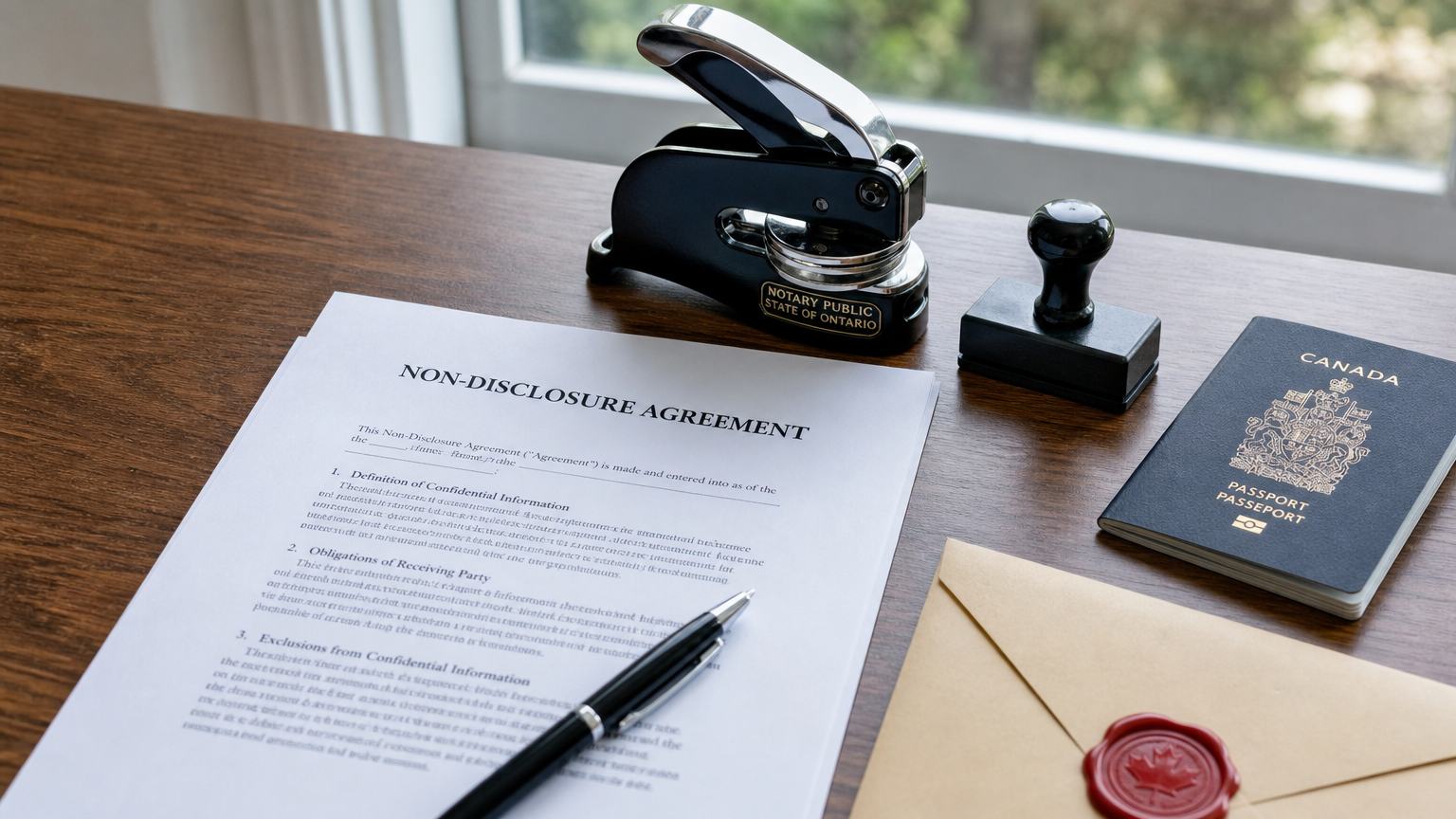
Essential guidance on NDA notarization in Ontario: when it’s required, how the process works, and how to prepare for a smooth notarization.
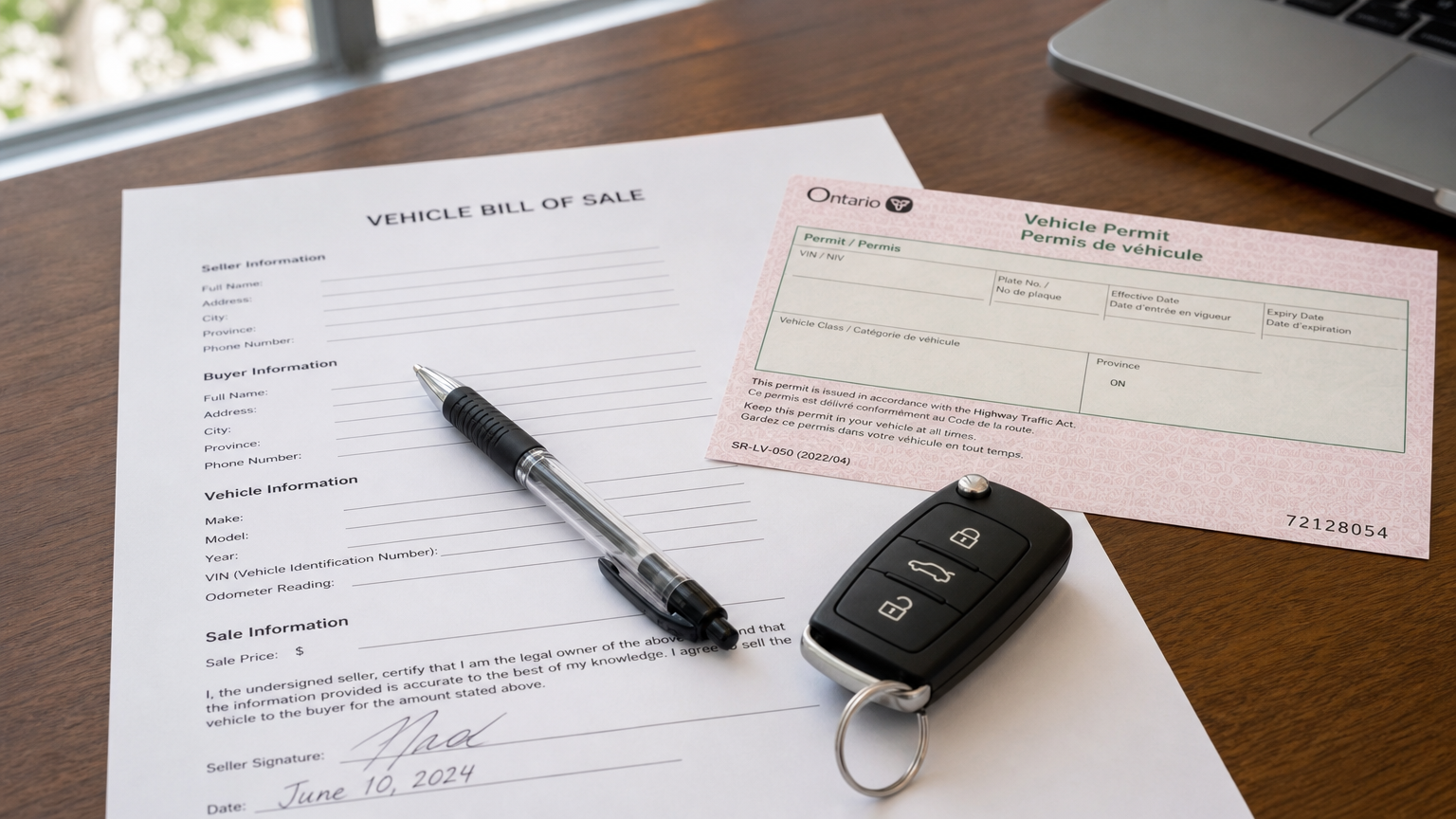
Essential vehicle transfer guidance for Ontario buyers and sellers, plus when notarization and statutory declarations are required.