On this page
Planning a trip from Canada to the United Arab Emirates raises an important practical question: do you need a Canadians UAE visa before you fly? Requirements hinge primarily on your citizenship and the travel documents you hold. This article summarizes the Canadians UAE visa requirements, explains how temporary resident status in Canada affects entry, and lists the key documents and steps to prepare before travel.
1. Visa-on-Arrival for Canadian Passport Holders
If you hold a standard Canadian passport, you generally do not need to obtain a UAE visa before departure. Canadian citizens arriving at major international airports such as Dubai International (DXB) or Abu Dhabi (AUH) are eligible to receive a visitor visa on arrival that is issued at immigration without charge.
If you are unsure about your status, it is wise to consult with official sources regarding the Canadians UAE visa process.
Typical allowance: most Canadian travellers are granted a 90-day stay within a 180-day period. This provides flexibility for short-term tourism, business visits, or transit stays. However, the visa-on-arrival privilege has conditions:
Understanding the Canadians UAE visa can help you prepare for a seamless travel experience:
- Your passport must be valid for at least six months from the date of travel
- Visa-on-arrival does not apply if you are travelling on a temporary Canadian travel document instead of a standard passport.
2. When Temporary Resident Status in Canada Matters
Living in Canada on a study or work permit does not by itself grant the same entry privileges as Canadian citizenship. If your nationality is different from Canadian, visa requirements for the UAE will depend on the passport you hold, not on your Canadian residency status.
It is also advisable for temporary residents to be aware of the Canadians UAE visa regulations to avoid any entry issues.
Key points for temporary residents in Canada:
- If your home-country passport is not on the UAE’s visa-on-arrival list, you will generally need to obtain a visa in advance.
If you are not eligible for the Canadians UAE visa, begin the application process as soon as possible.
- Carry both your foreign passport and your Canadian residence permit (study or work permit) when making visa applications or when travelling, since immigration authorities may request proof of your Canadian status.
3. Who Needs to Apply Before Travel?
You should apply for a UAE visa prior to travel if any of the following apply:
- You are not a Canadian citizen and your passport nationality is not eligible for visa on arrival.
- You hold a temporary travel document instead of a regular passport.
- Your passport has less than six months’ validity remaining at the time of entry.
- You plan to work, study, or reside in the UAE — these activities require the appropriate long-term visa and permit processed through the UAE authorities or a sponsoring employer/institution.
4. Document Preparation: Legalization and Translations
Make sure that all required documentation is in order for the Canadians UAE visa to facilitate a smoother application process.
Longer-term stays, employment permits or residency applications often require supporting documents such as diplomas, criminal record checks, marriage certificates, and employment letters. These documents may need:
- Official legalization or attestation by relevant government authorities.
- Certified translations into Arabic or English if the originals are in another language.
Begin the legalization and translation process well in advance of any submission deadlines to avoid delays. Requirements can vary by visa category and by the specific UAE emirate handling the application.
For long-term stays, the Canadians UAE visa will require additional documentation that should be accounted for well in advance.
5. Practical Travel Tips
- Verify visa eligibility for your passport nationality before booking flights
- Ensure your passport has at least six months’ validity at the time of entry
- Carry both your passport and Canadian residence permit (if applicable) when travelling and when applying for visas
- Prepare certified translations and legalized copies of documents if applying for work, residency, or long-term visas
- Contact the nearest UAE consulate or official government immigration source for the most current rules — visa policies can change.
Stay informed about changes to the Canadians UAE visa regulations that could affect your travel plans!
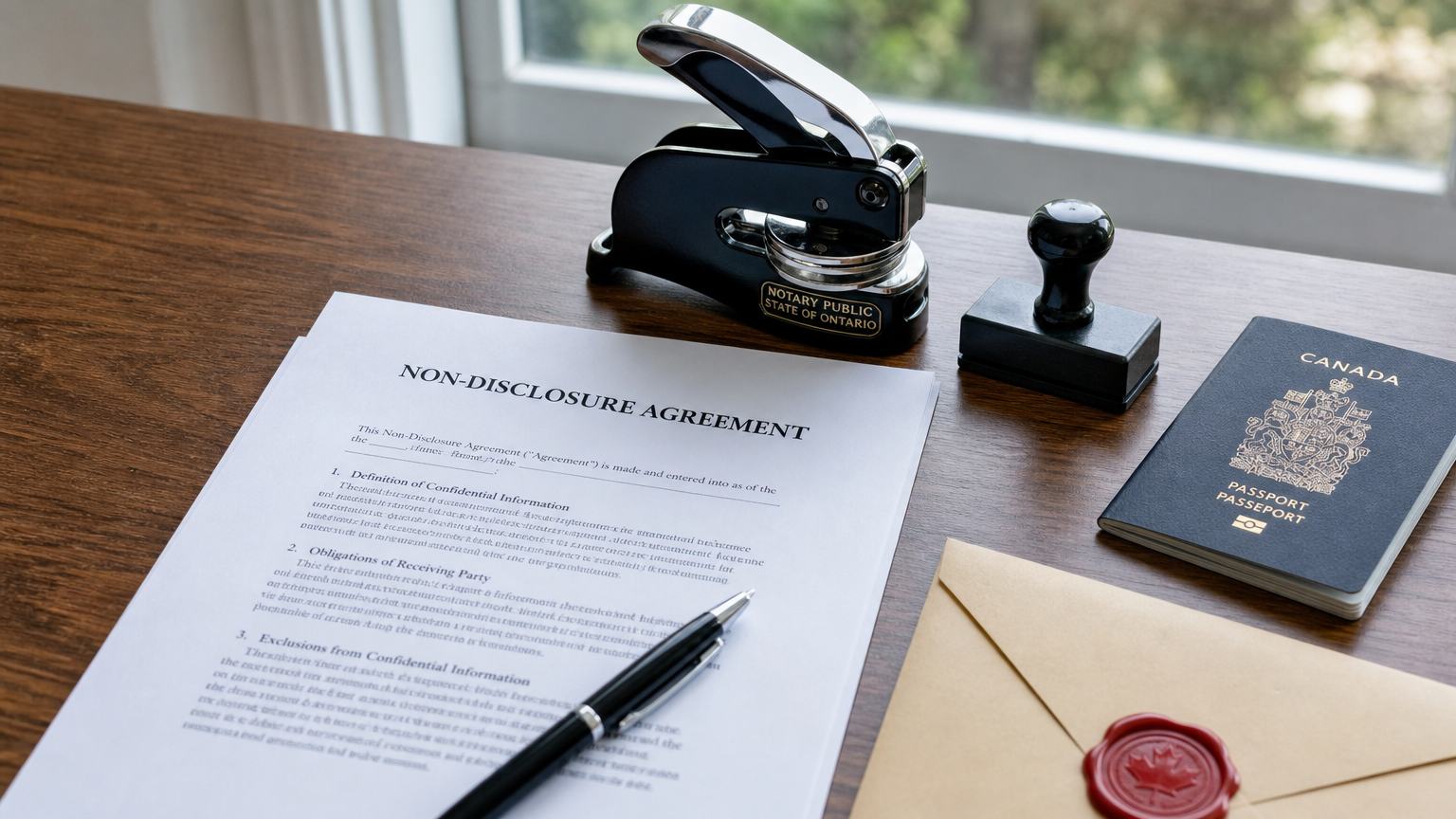
Essential guidance on NDA notarization in Ontario: when it’s required, how the process works, and how to prepare for a smooth notarization.
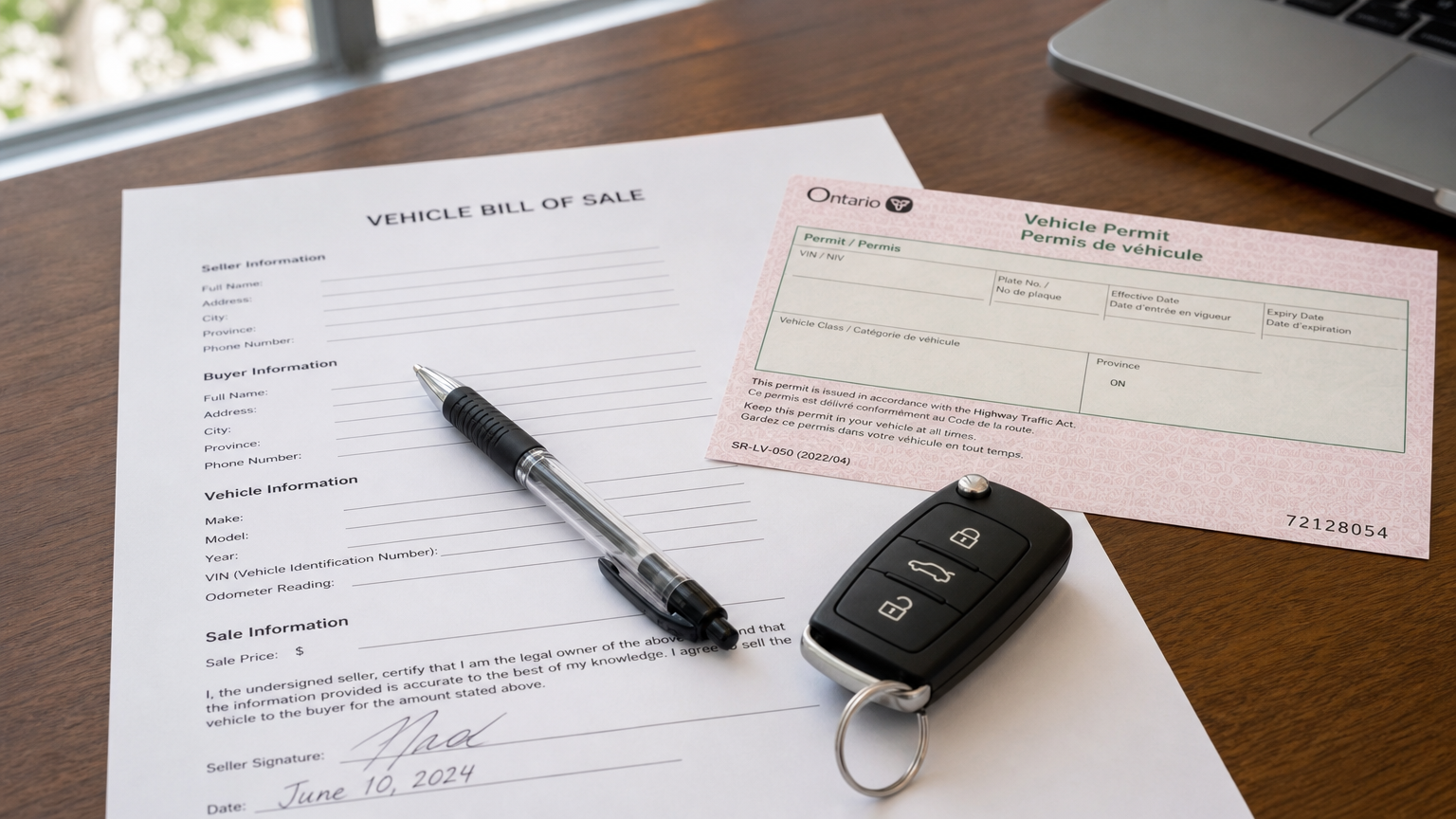
Essential vehicle transfer guidance for Ontario buyers and sellers, plus when notarization and statutory declarations are required.