
On this page
Understanding Estates and Assets in Ontario
An estate includes everything a person owns at the time of death. This can range from physical property to digital accounts, and each category may be handled differently depending on ownership, beneficiary designations, and legal requirements.
What Estates in Ontario Typically Includes
- Real estate such as homes, cottages, or land
- Bank accounts, investments, and registered plans
- Vehicles, boats, and recreational equipment
- Personal belongings including jewelry, art, and collectibles
- Business interests or shares
- Digital assets such as online accounts, cryptocurrency, or intellectual property
Liabilities are also part of the estate. Mortgages, loans, credit card balances, and unpaid taxes must be settled before any distribution occurs. Some assets bypass the estate entirely, for example, jointly owned property or accounts with named beneficiaries.
Wills
Ontario does not require individuals to have a will, but the government strongly encourages it because a will provides clarity, reduces delays, and prevents disputes. Without a will, the estate is distributed according to Ontario's Succession Law Reform Act, which follows a strict formula that may not reflect the deceased's wishes.
Benefits of a Will
A valid will:
- Names an estate trustee (executor)
- Specifies who inherits property
- Reduces legal costs and administrative delays
- Helps protect dependants
- Minimizes conflict among family members
A will also allows you to make decisions about guardianship for minor children, charitable gifts, and the handling of digital assets. Without one, these decisions fall to the courts.
Locating the Will
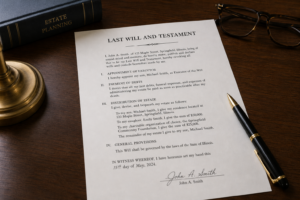
When someone dies, the first step is to locate their will. Wills may be stored in several places, and finding the most recent version is extremely crucial.
Common Places to Find a Will:
- The deceased's home or personal safe
- A safety deposit box
- Their lawyer's office
- A private will registry
- Court records or archives
If no will is found, the estate is considered intestate, meaning Ontario's laws determine who inherits. In this case, the court may appoint an estate trustee to administer the estate.
The Role of an Estate Trustee (Executor)
The estate trustee is responsible for managing the estate from start to finish. The Government of Ontario defines the trustee as the person who deals with the estate, either named in the will or appointed by the court. This role carries legal obligations and requires careful record‑keeping, such as:
- Secure the deceased's home and property
- Arrange funeral service
- Locate and validate the will
- Notify family members, banks, employers, and government agencies
- Redirect mail
- Gather and protect assets
- Identify and pay debts
- File tax returns
- Apply for probate when required
- Distribute the estate according to the will or Ontario law
- Provide an accounting to beneficiaries
Executors may hire professionals such as lawyers, accountants, or estate administrators to assist with complex tasks. This is common for estates involving businesses, multiple properties, or international assets.
Immediate Steps After Death
The first few days after a death involve urgent tasks that help secure the estate and begin the administrative process. These steps ensure that property is protected and that legal processes can begin smoothly:
- Obtain the death certificate
- Secure the home and valuables
- Care for pets and perishable items
- Notify close family members
- Contact the deceased's lawyer or financial advisor
- Redirect mail through Canada Post
These actions help prevent loss, damage, or unauthorized access to the deceased's property.
Documenting Assets and Liabilities
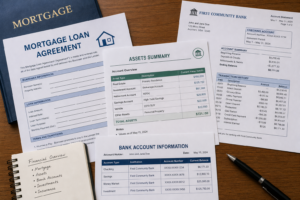
Before any distribution occurs, the estate trustee must create a complete inventory of assets and debts. This inventory is important for probate, tax filings, and final distribution.
Assets to Document
- Bank accounts and investment portfolios
- Registered plans (RRSP, TFSA, RRIF)
- Real estate holdings
- Vehicles and recreational equipment
- Business interests
- Insurance policies
- Digital assets
- Personal valuables
- Liabilities to Document
- Mortgages
- Loans
- Credit card balances
- Taxes owing
- Outstanding bills
- Funeral expenses
A detailed inventory ensures transparency and helps prevent disputes among beneficiaries.
Determining Whether Probate Is Required
Probate is the legal process that validates the will and confirms the estate trustee's authority. It is required when third parties, such as banks or land registry offices, need legal confirmation before releasing assets.
When Probate Is Typically Required
- The deceased owned real estate
- Financial institutions require a Certificate of Appointment
- The estate is valued above $150,000
- Beneficiaries dispute the will
- The will is unclear or missing pages
Ontario also offers a Small Estate Certificate for estates valued at $150,000 or less, which simplifies the probate process.
Estate Administration Tax (EAT)
Probate triggers the Estate Administration Tax, which is calculated based on the total value of the estate.
Tax Breakdown
- No tax on the first $50,000
- $15 per $1,000 on the amount above $50,000
Executors must file an Estate Information Return within 180 days of receiving the probate certificate. This return details the estate's value and ensures accurate tax calculation.
Paying Debts and Taxes
Before distributing assets, the estate trustee must settle all debts and taxes. This step is legally required and protects the trustee from future liability.
Debts That Must Be Paid
- Funeral expenses
- Income taxes
- Property taxes
- Credit card balances
- Loans
- Outstanding bills
- CRA balances
- Executors must also file:
- A final tax return
- Optional rights‑or‑things return
- Trust returns (if applicable)
Obtaining a Tax Clearance Certificate from the Canada Revenue Agency is recommended before distributing the estate. This certificate confirms that all taxes have been paid.
Distributing the Estate
Once debts and taxes are settled, the estate trustee can distribute the remaining assets. The method of distribution depends on whether a will exists.
If There Is a Will
The estate trustee follows the instructions in the will. This may include:
- Specific gifts
- Charitable donations
- Distribution of personal belongings
- Division of remaining assets among beneficiaries
If There Is No Will
Ontario's Succession Law Reform Act determines inheritance:
- A married spouse receives a preferential share
- Remaining assets are divided among children
- If there is no spouse or children, next‑of‑kin inherit
- Common‑law partners must file a claim to inherit
Beneficiaries under 18 are represented by the Office of the Children's Lawyer.
Rights of a Surviving Spouse
A surviving spouse has important rights when their partner dies; they may choose between inheritance under the will or an equalization payment under the Family Law Act.
Equalization Option
The spouse may claim half the difference in net family property. This option is often chosen when the will provides less than what equalization would offer.
Deadline
The spouse must file an election within six months of death. Missing this deadline may limit their options.
Death Benefits and Financial Support
Several benefits may be available after death, depending on the deceased's employment, pension plans, and insurance policies.
Possible Benefits
- Canada Pension Plan (CPP) death benefit
- CPP survivor's pension
- Workplace pensions
- Life insurance payouts
- Employer benefits
These benefits may pass outside the estate if beneficiaries are designated, meaning they do not require probate.
When the Public Guardian and Trustee Steps In
The Office of the Public Guardian and Trustee (OPGT) may act as estate trustee when no one else is available or eligible. The Government of Ontario describes the OPGT as the trustee of last resort.
When OPGT May Administer an Estate
- There is no will
- No next‑of‑kin can be located
- No one is willing or able to act
- The estate meets financial criteria
The OPGT ensures that the estate is managed properly and that potential heirs are protected.
Executor Compensation
Executors are entitled to compensation for their work. Compensation is based on the estate's value and complexity.
Typical Compensation:
- 3-5% of the estate value
- Additional fees for ongoing trusts
- Court approval if beneficiaries dispute the amount
Compensation reflects the time, effort, and responsibility involved in administering the estate.
Timeline for Administering an Estate

Estate administration can take months or even years, depending on complexity.
- Immediate steps: 1-2 weeks
- Probate application: 6-12 weeks
- Estate Information Return: within 180 days
- Tax filings: several months
- Full administration: 9-18 months
- Complex estates: 2+ years
Estates involving businesses, multiple properties, or international assets often take longer.
Common Problems and How to Avoid Them
Estate administration can be challenging, but many issues are preventable with careful planning and communication.
Missing Will
Search all known locations and contact the deceased's lawyer. If no will is found, the estate proceeds under intestacy laws.
Unclear Asset Ownership
Joint assets and accounts with designated beneficiaries bypass the estate. Executors should verify ownership before including assets in the inventory.
Family Disputes
Clear communication and professional guidance help reduce conflict. Executors should keep detailed records and provide regular updates.
Tax Mistakes
Filing incorrect tax returns or distributing assets too early can cause legal issues. Obtaining a Tax Clearance Certificate helps protect the executor.
Poor Record‑Keeping
Executors must maintain detailed accounts for beneficiaries and the court. Organized documentation prevents disputes and delays.
Essential guidance on NDA notarization in Ontario: when it’s required, how the process works, and how to prepare for a smooth notarization.
Essential vehicle transfer guidance for Ontario buyers and sellers, plus when notarization and statutory declarations are required.

Learn whether Canadians need a UAE visa, the 90-day visa-on-arrival rule, passport validity requirements, and steps for temporary residents and document preparation.