
Introduction
In Canada, a birth certificate is a foundational identity document used for everything from school registration to immigration applications. However, there are different formats of birth certificates that vary by the amount of information they include. Choosing the correct version—short‑form or long‑form—can prevent delays in important processes such as passport applications, citizenship claims, adoptions, and legal proceedings. This guide explains the differences between the common types of birth certificates, when each is accepted, who can request them, and practical tips to make the application process smoother.
Types of Birth Certificates in Canada
Short‑Form — Basic Certificate (No Parental Details)
This condensed format contains fundamental details: the person’s full name, date of birth, place of birth and sex. It is often issued quickly and used mainly for routine, provincial or institutional purposes—examples include school enrollment, certain provincial services and some insurance processes. Although legally valid for many local uses, this basic short‑form frequently does not meet requirements for federal or international matters.
Short‑Form — With Parental Information
A more informative short‑form includes the registrant’s details plus the names of the parents. This version is accepted for more situations than the basic short‑form but still may fall short for applications that require evidence of parentage or the original registration details. Availability and the exact layout of this variant can differ between provinces and territories.
Long‑Form (Certified Copy of Registration)
The long‑form, sometimes called a certified copy of the original registration, reproduces the full details recorded at the time of birth registration. It typically shows parental information, registration dates, any amendments, and other entries from the original record. Because it provides a complete record, this format is generally required for passports, citizenship or immigration processes, adoption proceedings, and any situation where proof of parentage or the original registration is necessary.
When to Use Each Format
- Use the basic short‑form for routine provincial uses such as school enrollment or certain local services when only identity verification is needed.
- Choose the short‑form with parental information when parents’ names are requested but full registration details are not required.
- Request the long‑form for federal or international applications: passports, proof of citizenship, many immigration cases, adoptions, and legal matters that require definitive evidence of birth or parentage.
Who Can Request a Birth Certificate
Eligibility rules differ by province and territory, but typically the following people can apply for a copy:
- The person named on the certificate if they are of legal age.
- A parent or legal guardian of the person named on the certificate.
- An authorized representative or agent, when supported by appropriate identification and authorization documents.
- Certain government agencies or organizations with the legal right to request records.
How to Request the Correct Certificate
Procedures vary across provinces and territories, but the general steps are:
- Confirm which format you need for your purpose (check requirements for passports, immigration, adoption, etc.).
- Identify the vital‑statistics office in the province or territory where the birth was registered.
- Prepare required identification and proof of relationship, and any authorization forms if applying on behalf of someone else.
- Complete the official application for the chosen format and submit it via the available methods (online, mail, or in person), and pay the applicable fee.
- Allow for processing time; timelines and fee amounts differ by jurisdiction.
Documents for Use Abroad
When a birth certificate is intended for use in another country, additional steps are often necessary. Many foreign authorities require a certified translation when the document is not in their official language, and some require document authentication or legalization by government offices or consulates. Check the receiving country’s requirements well in advance to determine whether translation, authentication or other formalities are needed.
What to Check When You Receive the Certificate
- Verify spelling of names and dates of birth.
- Confirm parental names and any registration or amendment entries if applicable.
- Ensure the certificate is an original or certified copy with official seals or signatures as required.
- Keep a record of the application reference and receipt in case you need to follow up.
Tips to Avoid Delays
- Determine the exact document format required by the agency requesting the birth certificate before applying.
- Apply early, especially for applications with fixed deadlines such as travel or immigration appointments.
- Provide clear supporting identification and relationship documents to prevent requests for additional information.
- If the certificate is for foreign use, confirm translation and legalization requirements in advance and arrange those services promptly.
Conclusion
Selecting the correct birth certificate format in Canada depends on the purpose of the document. Short‑form certificates serve many everyday provincial needs, while long‑form certified copies are usually required for federal, international and legal matters that demand full registration details. Understanding the differences and following the recommended steps will help you obtain the right document and avoid unnecessary delays.
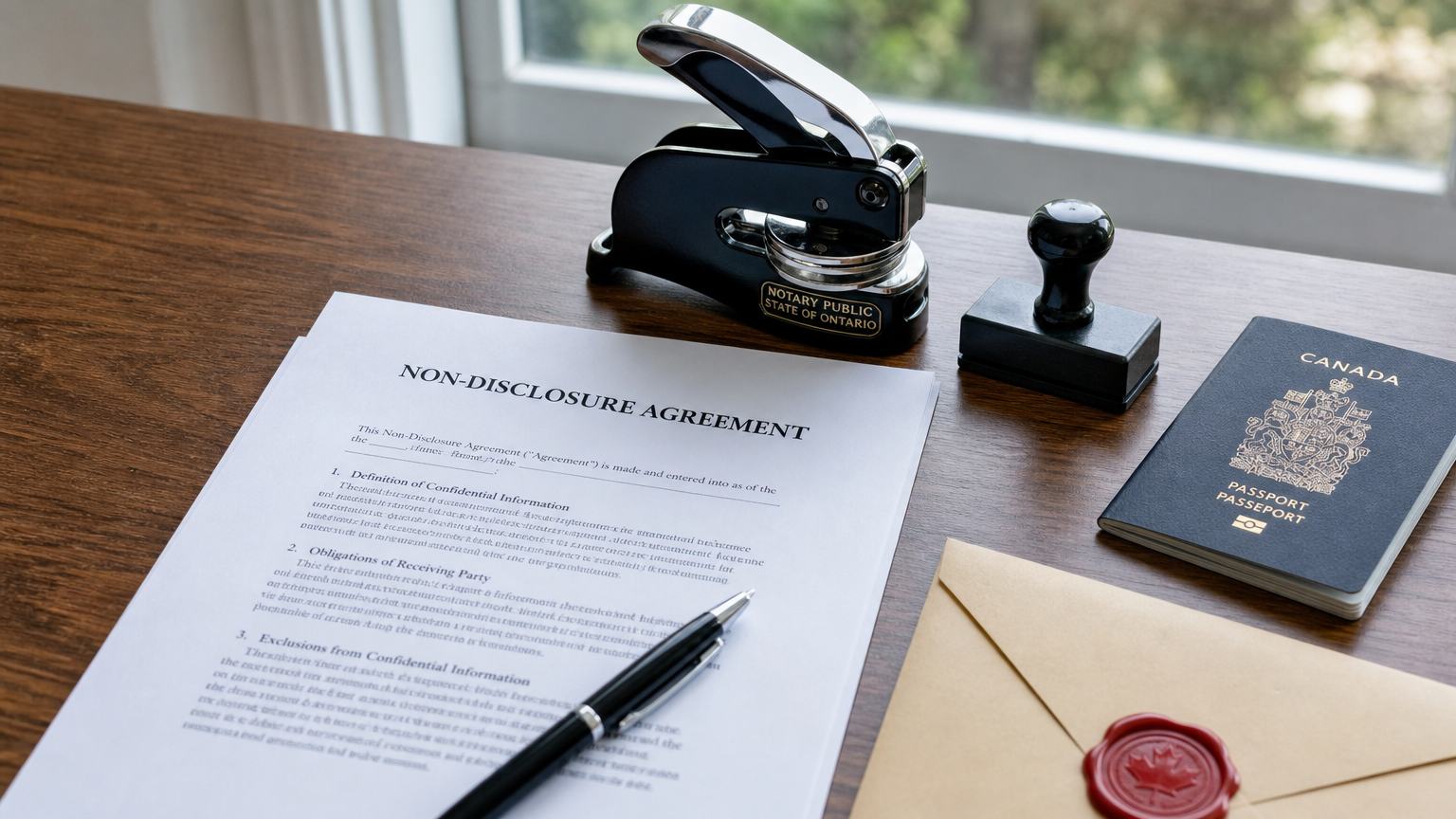
Essential guidance on NDA notarization in Ontario: when it’s required, how the process works, and how to prepare for a smooth notarization.
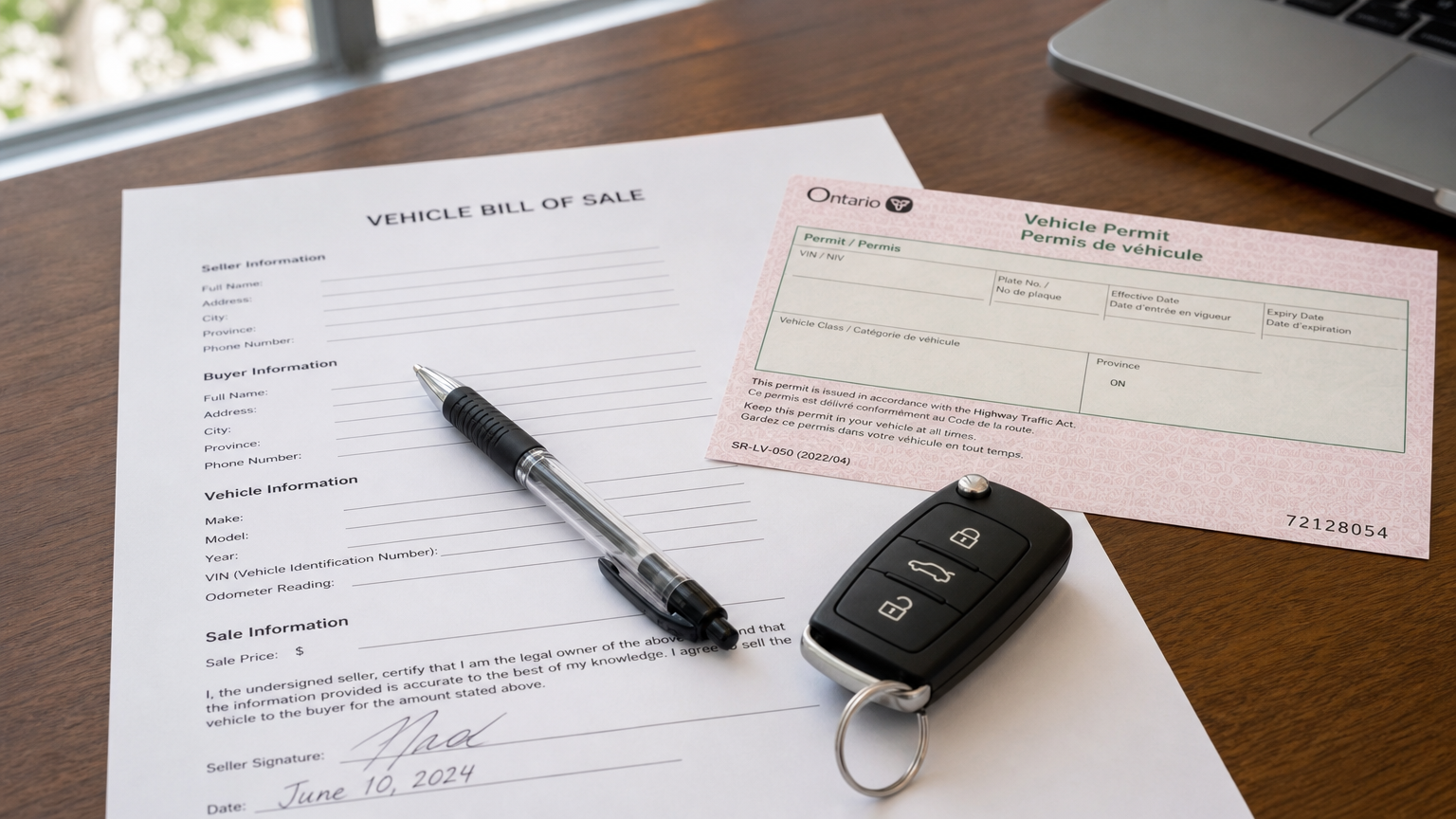
Essential vehicle transfer guidance for Ontario buyers and sellers, plus when notarization and statutory declarations are required.