Introduction
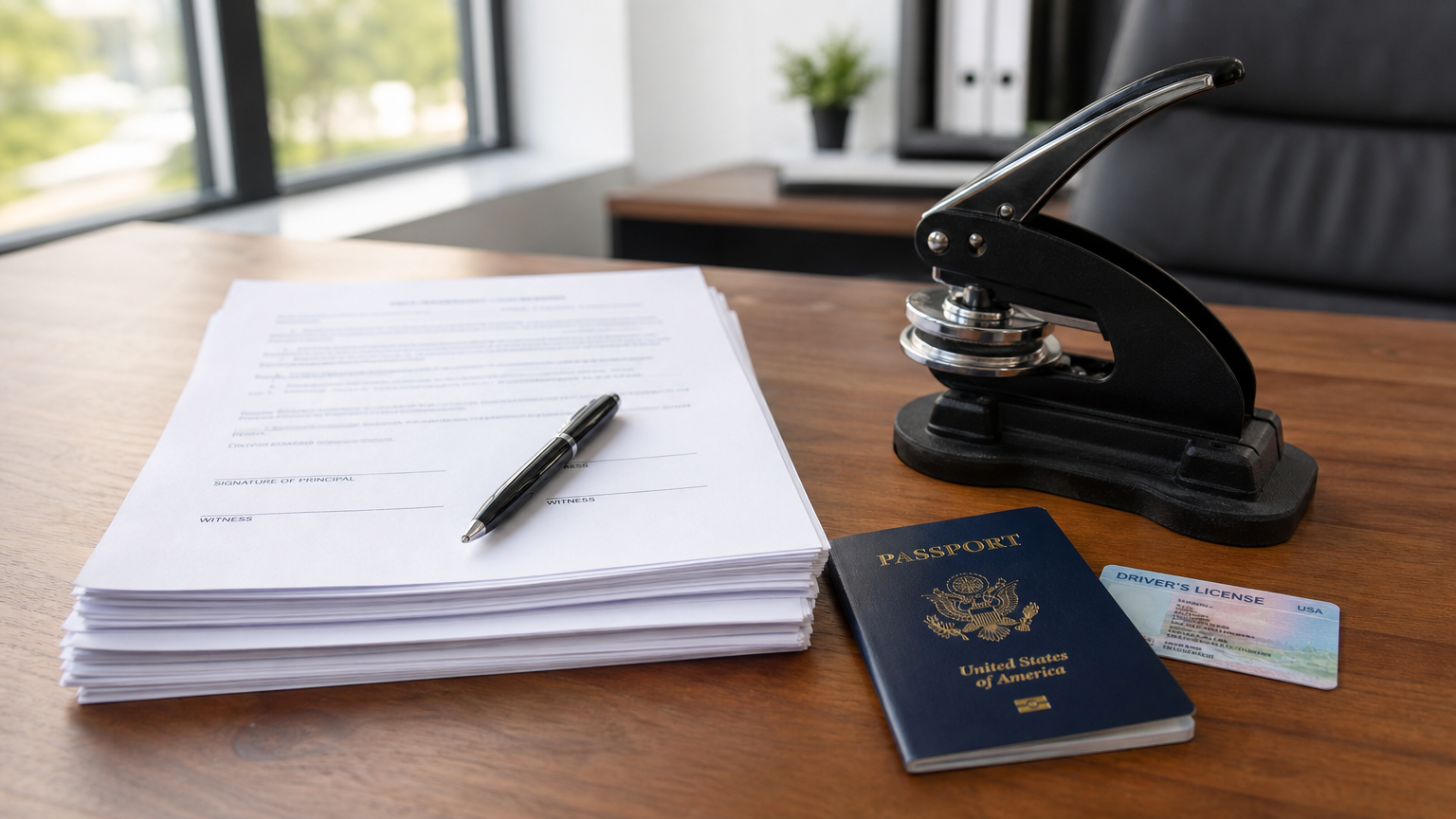
If you plan to use a foreign marriage certificate for official purposes in the United Arab Emirates, the document must be properly attested. The UAE requires verification of foreign public documents before accepting them for visas, sponsorships, banking, tenancy and other formal transactions. This guide explains what attestation means, why it is required, and the typical steps to prepare a marriage certificate for use in the UAE.
What is Attestation?
Definition
Attestation is the formal process that confirms a marriage certificate issued outside the UAE is authentic and legally valid. Competent authorities review the certificate, verify signatures and seals, and apply stamps or certificates that recognize the document as a legitimate public record for official use.
Why Attestation Matters
The UAE generally will not accept foreign documents for official procedures unless they are attested. Applications that include documents without proper attestation can be delayed, returned, or denied. Attestation verifies the origin and legitimacy of the certificate so local authorities can rely on it for residency, sponsorship and other legal purposes.
How the UAE Attestation Process Works
The UAE is not a signatory to the Hague Apostille Convention, so an apostille alone is usually insufficient. Instead, marriage certificates typically undergo multiple stages of authentication and legalization before final acceptance in the UAE.
Typical Steps
- Authentication by the issuing country’s foreign affairs authority or designated government office.
- Legalization by the UAE Embassy or consulate in the country where the certificate was issued.
- Final attestation by the UAE Ministry of Foreign Affairs (MOFA) once the document has arrived in the UAE.
Common Uses for an Attested Marriage Certificate
Attested marriage certificates are commonly required for:
- Family visa and spouse sponsorship applications
- Residence and dependent visa processing
- Certain banking and financial transactions
- Tenancy agreements and property-related matters
Notes for Documents Issued in Canada
If your marriage certificate was issued in Canada, it must follow the same multi-step legalization pathway: federal-level authentication in Canada, legalization by the UAE Embassy or consulate in Canada, and final attestation by the UAE Ministry of Foreign Affairs. Ensure you follow any specific federal authentication requirements applicable to Canadian-issued documents.
Practical Tips
- Start early: legalization and embassy processing can take time, so allow several weeks where possible.
- Use the original certificate or an officially certified copy as required by the issuing authority.
- Check whether certified translations are needed if the certificate is not in Arabic or English.
- Confirm current procedures and accepted document formats with the UAE Embassy or consulate before you begin.
Conclusion
Proper attestation is essential for using a foreign marriage certificate in the UAE. Because the UAE does not accept apostilles as a standalone form of legalization, documents must usually be authenticated by the issuing country’s foreign affairs office, legalized by the UAE Embassy in that country, and finally attested by the UAE Ministry of Foreign Affairs. Verify specific requirements early and consider seeking assistance from authorized legalization services or the relevant diplomatic missions to ensure a smooth process.
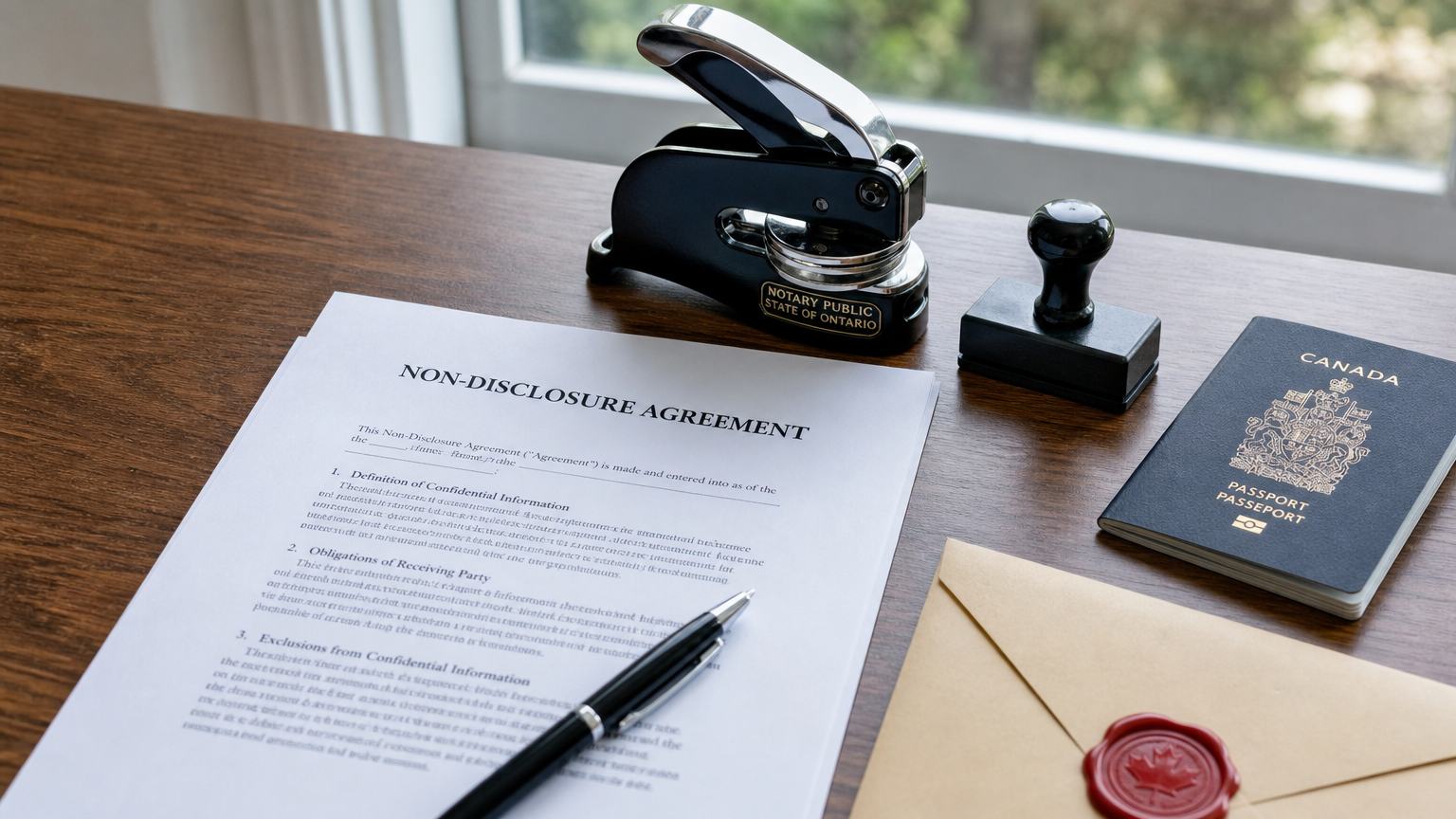
Essential guidance on NDA notarization in Ontario: when it’s required, how the process works, and how to prepare for a smooth notarization.
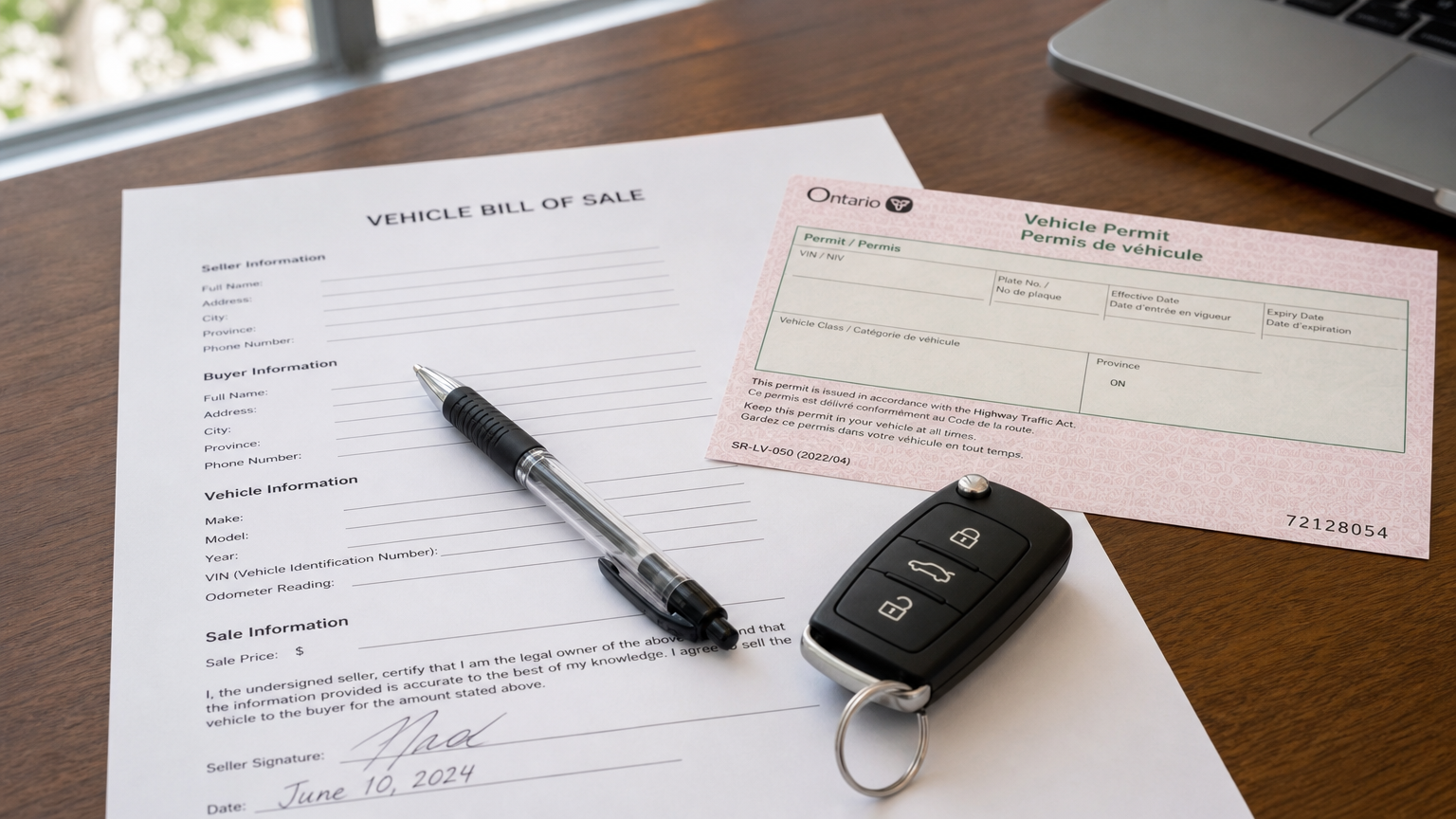
Essential vehicle transfer guidance for Ontario buyers and sellers, plus when notarization and statutory declarations are required.