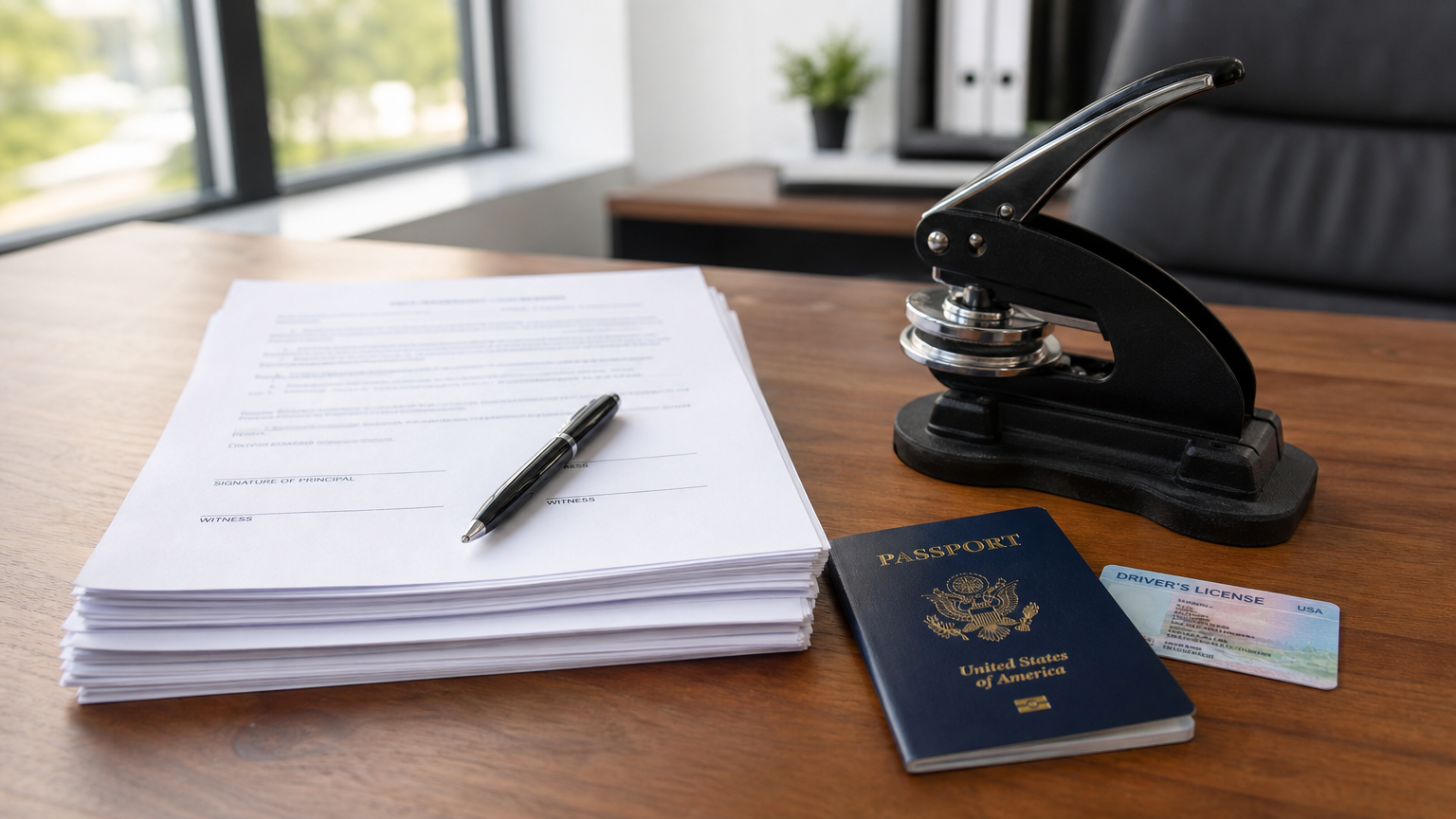
Introduction
Fingerprinting is a common requirement across many legal and administrative processes in Canada. Whether you need it for immigration, employment, security clearances, or foreign visa applications, knowing what to expect and how to prepare will make the process quicker and less stressful. This guide explains why fingerprints are requested, the main methods used, where to get them taken, and special situations to consider.
Why fingerprints are requested in Canada
Fingerprints are used to verify identity and check criminal records. They are commonly requested for:
- Immigration and citizenship applications: The federal immigration authority requires criminal background checks, including fingerprints, for most visa, permanent residence and citizenship applications.
- Employment screening: Employers in sensitive fields—such as healthcare, education and government—often require fingerprint-based checks to confirm an applicants suitability for roles that involve vulnerable populations or secure environments.
- Security clearances: Organizations bidding on government contracts or placing staff in government facilities typically include fingerprinting as part of the vetting process.
- International visa and immigration applications: Some other countries ask applicants to submit criminal record checks based on fingerprints as part of their entry or residency procedures.
Types of fingerprinting methods in use
Different methods are available depending on the purpose and the requesting agency:
- Ink and paper (rolled or flat): Traditional ink fingerprints are taken on standard fingerprint cards. This method is still used for many background checks and for submissions to agencies that require a physical card.
- Digital (live-scan) fingerprinting: Electronic scanners capture high-resolution prints and can transmit them directly to police or government databases. Digital capture is faster and reduces the risk of smudged or unreadable prints.
- Biometric capture for immigration authorities: Controlled biometric collection processes are used to capture fingerprints for immigration and citizenship screening and are handled according to the requesting agencys specifications.
Where to get your fingerprints taken
Approved locations vary by province and the purpose of the check. Typical options include:
- Designated police services or detachments that provide fingerprinting for background checks.
- Private fingerprinting providers that offer ink or live-scan services; these providers often prepare cards or electronic submissions according to the required standards.
- Authorized offices that perform biometrics for immigration and citizenship applications when requested by the federal immigration authority.
Step-by-step: What to expect when getting fingerprinted
While specific procedures can differ by location, the general process is:
- Check requirements: Confirm whether the requesting agency wants ink cards, digital capture, or a specific form of submission. Verify any identification documents you must bring.
- Book an appointment if required: Some police offices and private providers accept walk-ins, but appointments help reduce wait times.
- Bring proper ID: You will typically need government-issued photo identification. The exact ID requirements depend on the provider and the purpose of the check.
- Undergo fingerprint capture: A technician will take either inked or electronic prints. The capture usually takes only a few minutes.
- Receive documentation or submission confirmation: You may be given the completed fingerprint card, an electronic submission receipt, or instructions for how the prints will be sent to the requesting agency.
- Follow up as needed: Processing times vary; if fingerprints were submitted electronically, the agency may confirm receipt more quickly than with mailed cards.
Special cases and considerations
Certain situations require extra attention:
- Children and minors: Requirements and consent processes can differ for applicants under 18. Check the requesting agencys rules before booking an appointment.
- Persons with disabilities or injuries: Alternative methods for capturing usable prints may be available if you have difficulty with standard procedures. Inform the provider in advance.
- International authentication: If fingerprint-based documents are destined for foreign authorities, additional steps such as authentication or certification by the appropriate government offices may be required. Verify these requirements early to avoid delays.
- Record corrections and disputes: If a fingerprint-based background check returns unexpected information, there are established procedures to request a review or correction through the relevant police or government agency.
Conclusion
Getting fingerprinted in Canada is a routine step for many immigration, employment and security processes. Prepare by confirming the type of fingerprint capture required, bringing proper identification, and choosing an approved location. Accounting for special circumstances and processing timelines will help you complete the requirement smoothly and avoid unnecessary delays.

Essential guidance on NDA notarization in Ontario: when it’s required, how the process works, and how to prepare for a smooth notarization.
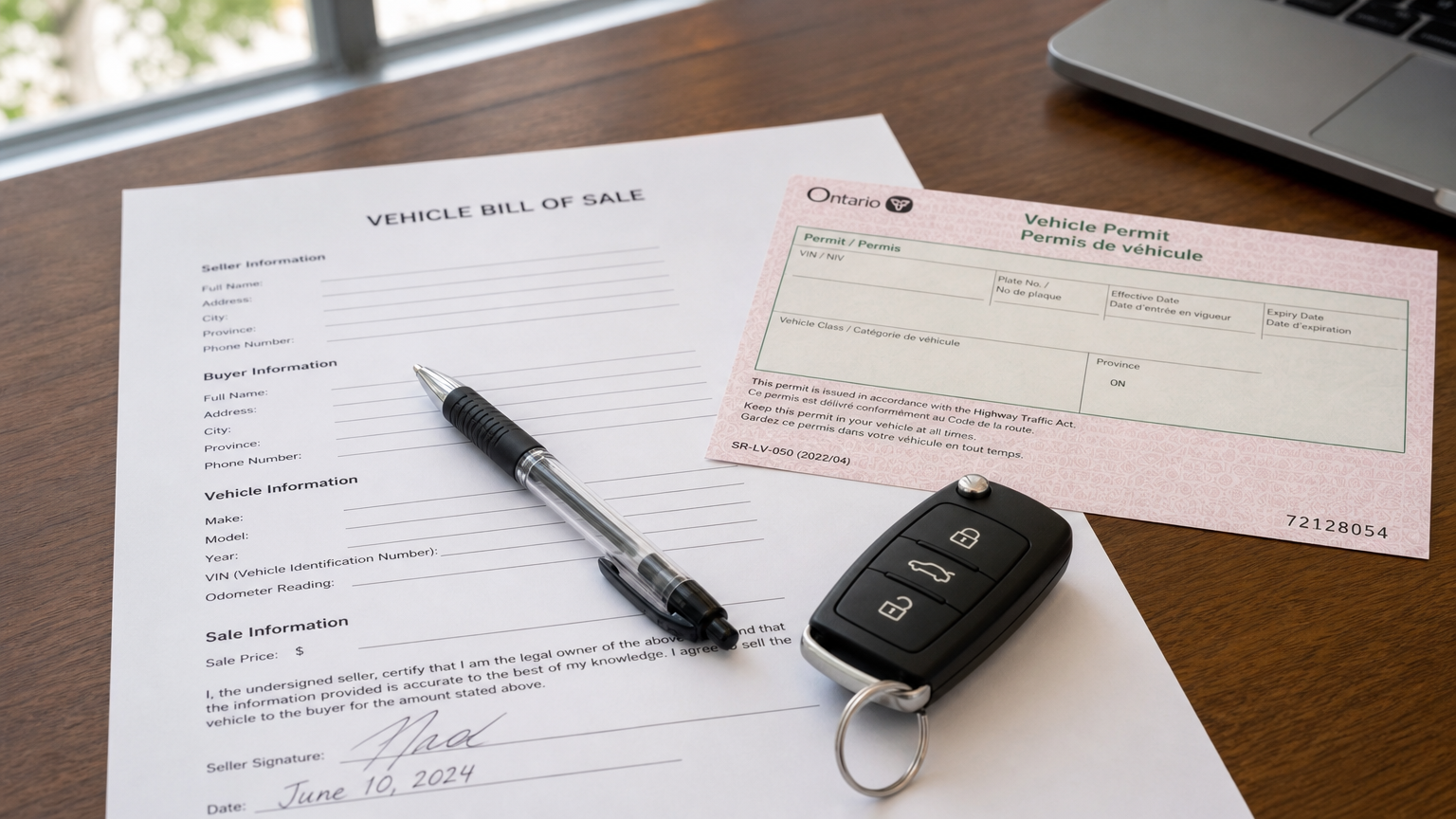
Essential vehicle transfer guidance for Ontario buyers and sellers, plus when notarization and statutory declarations are required.