Introduction
A police clearance certificate (PCC) shows whether a person has a criminal record and is often required for visas, foreign employment, immigration, or professional licensing overseas. When you need to present a PCC outside the country where it was issued, the document will usually have to be authenticated so the foreign authority accepts it. This article explains what attestation means, how it differs from an apostille, the steps to prepare a Canadian PCC for use abroad, and practical tips to avoid delays.
What is Police Clearance Certificate Attestation?
Attestation is the process that confirms a document was issued by a recognized authority and that the signatures and seals on it are genuine. For a police clearance certificate, attestation does not verify the accuracy of the information about your criminal history; it only confirms the document’s authenticity so foreign governments or institutions can accept it for official purposes.
Why Attestation Is Often Required
Foreign governments, consulates, employers, or licensing bodies may require an attested PCC to prevent fraud and ensure the document is legitimate. Without the appropriate form of authentication, your certificate may be rejected, which can delay visa processing, job offers, or immigration procedures.
Apostille vs. Authentication and Legalization
There are two common systems for authenticating documents for international use:
- Apostille: Used by countries that are parties to the Hague Apostille Convention. An apostille is a single certificate attached to the document that confirms the issuing authority and allows the document to be recognized across other member countries.
- Authentication and Legalization: For countries that are not party to the Hague Convention, documents must go through a two-step process. First, a designated national authority authenticates the document; then the destination country’s embassy or consulate legalizes it.
Note: Canada is not a member of the Hague Apostille Convention. Canadian-issued documents therefore cannot be apostilled and must instead be authenticated by the relevant federal authority and then legalized by the destination country’s embassy or consulate.
How to Obtain a Police Clearance Certificate in Canada
Depending on your history of residence and the requirements of the requesting authority, a police clearance certificate in Canada may be issued by a municipal or provincial police service, or by the federal police service. Typical steps include:
- Requesting the certificate from the police service that has jurisdiction where you lived or from the federal police service if required.
- Providing identification, fingerprints (if requested), and any application forms specified by the issuing agency.
- Receiving the signed and sealed certificate from the issuing police body.
Always confirm with the requesting authority abroad whether they require a local, provincial, or federal certificate and whether fingerprints are necessary.
Step-by-Step: Preparing a Canadian PCC for Use Abroad
The exact steps vary by destination country, but a typical process for Canadian documents is:
- Obtain the original police clearance certificate from the issuing police agency.
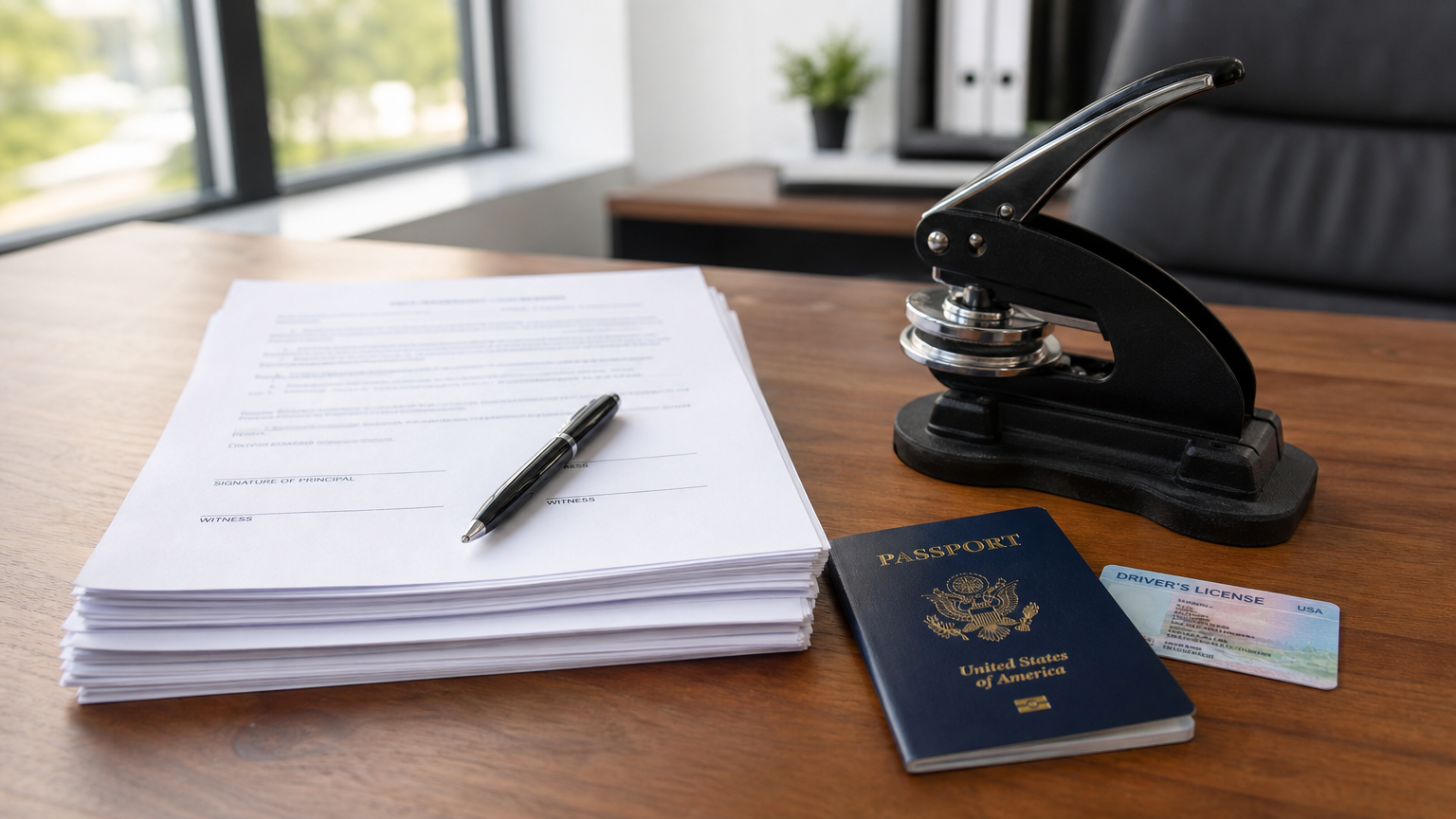
- If the destination requires it, have the document notarized or certified by a notary public. Some countries require notarization before authentication, while others accept the original issued certificate directly.
- Submit the certificate to the federal authority responsible for document authentication so the signature and seal of the issuing agency are verified.
- Present the authenticated certificate to the embassy or consulate of the destination country for legalization. The embassy/consulate will typically add its stamp or sticker confirming recognition.
- If the destination country requires a document in a language other than English or French, obtain a certified translation and have the translation itself authenticated and legalized as required.
Processing times and specific requirements (such as the need for fingerprints, notarization, or the number of copies) differ by country and by the office handling your case. Always check the destination authority’s current requirements before you begin.
Certified Translations and Additional Document Steps
If the receiving country requires documents in its official language, translations are usually required. Certified translators can prepare translations that meet official standards; those translated documents may also need to be authenticated and legalized following the same rules as the original certificate.
Other common requirements include providing multiple copies, including a notarized copy, or supplying additional identification documents. Confirm these details in advance to prevent rejections.
Common Pitfalls and Practical Tips
- Do not assume the same process applies to every country — verify whether the destination is a Hague member (apostille) or requires authentication and legalization.
- Allow extra time for translations, authentication appointments, and embassy processing, especially during peak travel seasons.
- Ensure the police certificate is the original document with official signatures and seals; many authorities do not accept photocopies or scanned copies.
- Confirm whether fingerprints or additional identification are needed before applying for your PCC to avoid having to start over.
- Use a certified translator for official translations and keep copies of all documents and receipts throughout the process.
Conclusion
Getting a police clearance certificate attested for use abroad involves understanding whether your destination uses apostilles or requires authentication and legalization, obtaining the correct issuing certificate, and preparing any notarizations or translations that may be needed. Because rules and timelines vary, verify requirements with the destination authority early, follow the prescribed steps, and allow sufficient time to complete authentication and legalization to avoid delays.
Essential guidance on NDA notarization in Ontario: when it’s required, how the process works, and how to prepare for a smooth notarization.
Essential vehicle transfer guidance for Ontario buyers and sellers, plus when notarization and statutory declarations are required.