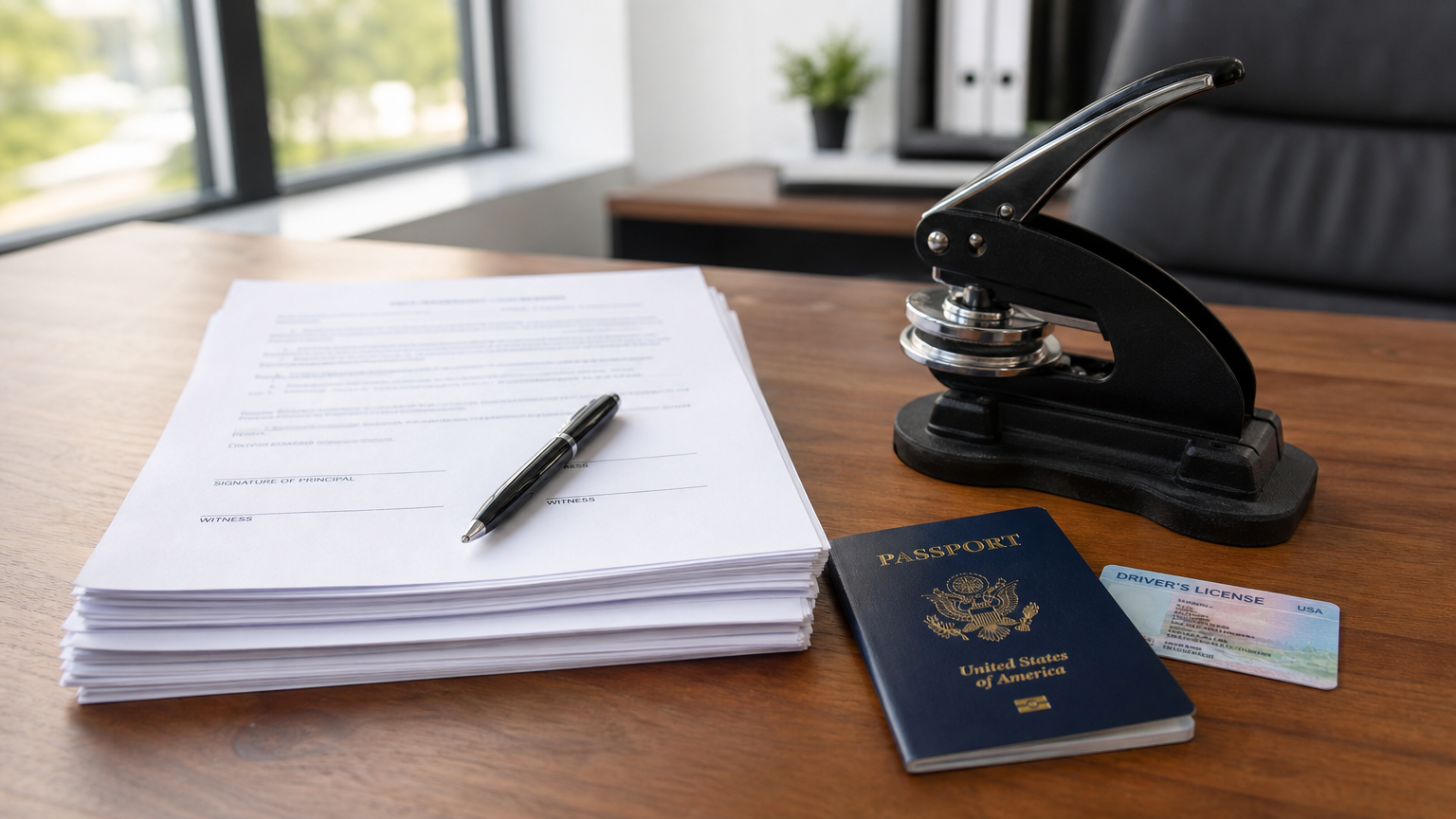
Introduction
An Affidavit of Service is the formal document that proves legal papers were delivered to the other party in an Ontario court case. Courts will generally require a completed affidavit before accepting documents or scheduling hearings. This guide explains what the affidavit demonstrates, how to complete it correctly, and the filing steps to ensure your documentation is accepted by the court.
Understanding the purpose of an Affidavit of Service
The affidavit provides sworn evidence that a document was delivered to a named person or their representative. It records who served the papers, what materials were delivered, when and where the service took place, and the method used. Without an accurate affidavit, the court may not consider submitted documents or proceed with scheduling a hearing or trial.
Downloading the current version of the form
Each level of court in Ontario uses its own Affidavit of Service form. Obtain the latest version from the appropriate court office or the court’s official resources. Using an outdated or the wrong form can delay processing or lead to rejection of your filing.
Follow the instructions on the affidavit form
Carefully read the instructions printed on the form before you begin. The form will usually request details such as the court file number, names of parties, the title of the document served, and space to state how service was carried out. Complete each required field and attach any required exhibits or copies of the document(s) served.
Remember to serve your documents BEFORE swearing the affidavit
Do not swear or affirm the affidavit until the documents referenced have actually been served. The affidavit must reflect events that already occurred — dates, times and methods on the form must match the real service activity.
Completing the form
When filling out the affidavit, include the following core elements:
- Identification of the case: court name, file number, and party names.
- Identification of the document(s) served: list titles and the number of pages if requested.
- Who served the documents: provide the server’s full name and, if relevant, their address or relationship to the parties.
- The date, time and location of service: be specific about when and where the papers were delivered.
- Signature and declaration: the person who served the documents must sign under oath or affirmation before an authorized official.
Describe how service was carried out
State the exact method used to deliver the documents. Common methods include:
- Personal delivery to the recipient or an authorized representative.
- Sending by regular mail or registered mail to the recipient’s address.
- Delivery to the recipient’s residence by leaving papers at the person’s usual place of residence.
- Using a courier service or other commercial delivery method.
- Substituted service or leaving documents with a person of suitable age and discretion, when permitted by court rules.
When describing the method, include details such as recipient name on the delivery, mailing receipt numbers where applicable, or the name of the person who accepted the documents.
Describe unsuccessful attempts
If initial attempts to serve were unsuccessful, record each attempt. Note dates, approximate times, and reasons service failed (for example, no one at the address, recipient refused to accept documents, or access was restricted). Showing evidence of reasonable effort to serve may be important if the court allows alternate service methods.
Swearing or affirming the affidavit
After the service has occurred and the form is fully completed, the server must swear or affirm the affidavit before an authorized official, such as a commissioner for taking affidavits, a notary public, or other court-authorized official. The official will witness the signature, sign the jurat, and add their stamp or seal where required. Ensure the date and location of the swearing are recorded on the form.
Filing the affidavit
File the sworn affidavit with the court office handling your file. Keep copies for your records and provide copies to other parties in the case as required by court rules. Timely filing and proper service on all parties help avoid delays in listing hearings or trials. If the court finds service was not properly proved, it may decline to proceed until valid service is established.
When to seek professional assistance
If you are unsure about acceptable methods of service, completing the form, or whether substituted service is appropriate, consider consulting a legal professional or an authorized commissioner. They can confirm you are using the correct form, advise on acceptable service methods under the rules, and ensure the affidavit is sworn properly.
Conclusion
An accurately completed and sworn Affidavit of Service is essential for proving that legal documents were delivered in accordance with Ontario court rules. Follow the form instructions, record precise details of service and any failed attempts, swear the affidavit before an authorized official, and file it promptly with the court. Doing so reduces delays and helps the court proceed with scheduling and considering your matter.
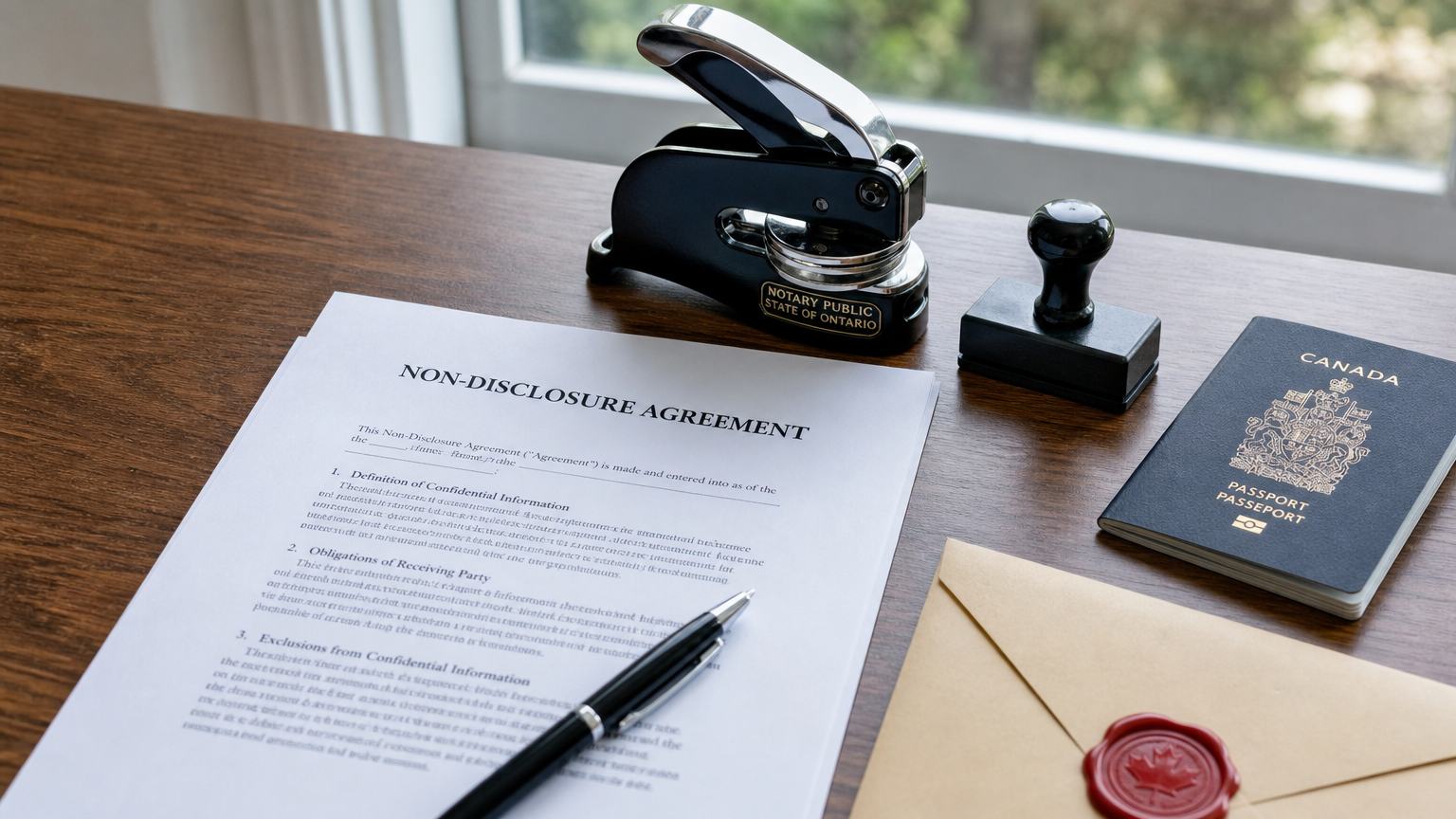
Essential guidance on NDA notarization in Ontario: when it’s required, how the process works, and how to prepare for a smooth notarization.
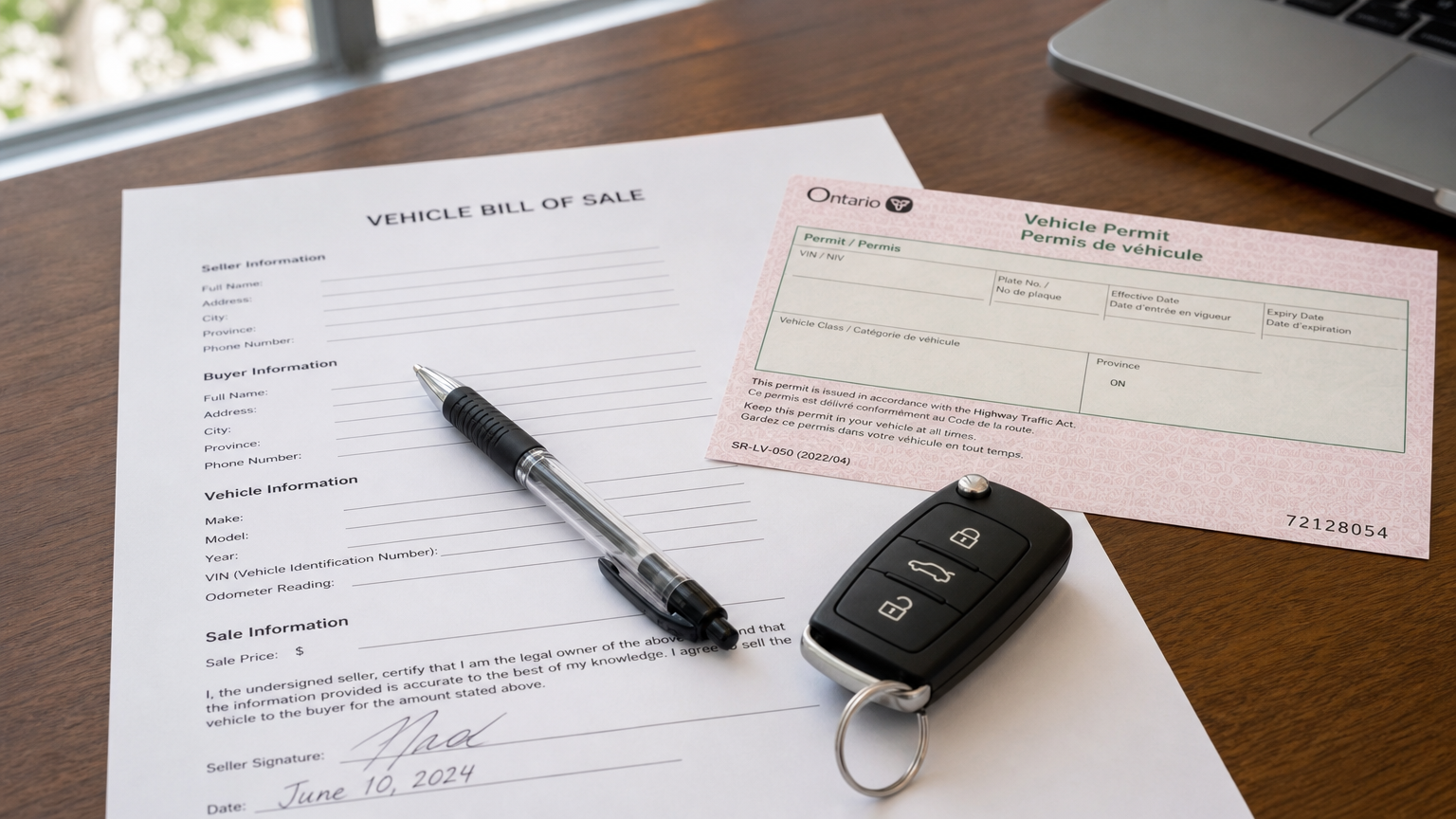
Essential vehicle transfer guidance for Ontario buyers and sellers, plus when notarization and statutory declarations are required.