
Introduction
Canada faces a shortage of physicians and surgeons across many specialties, creating strong opportunities for internationally trained doctors. This guide explains why Canada is an attractive destination for medical professionals and outlines the practical steps for certifying true copies of identity documents for the Medical Council of Canada (MCC).
Why Canada is attractive to doctors
Several factors make Canada a compelling destination for medical professionals trained overseas:
- There is a significant shortage of skilled physicians and surgeons, with reports that up to 40% of new job openings in medicine go unfilled.
- Demand for doctors is high across almost every province, opening options in urban and underserved rural areas alike.
- Physicians in Canada have the potential to earn substantial incomes compared with many other countries.
Does Canada accept foreign-trained doctors?
International medical graduates play a vital role in maintaining health-care services in Canada. Federal and provincial authorities recognize the workforce gap and support pathways that allow foreign-trained doctors to settle and practice. While admission and licensure processes vary by province and specialty, internationally educated physicians can, with proper preparation and credential verification, pursue residency positions, licensure and long-term settlement.
Verifying medical credentials vs certifying identity documents
It helps to distinguish two related but different requirements:
- Credential verification: This is the validation of medical education, training and licensure, often requiring primary-source checks directly with issuing institutions.
- Certifying true copies of identity documents: Many regulatory bodies, including the Medical Council of Canada (MCC), require certified true copies of identity and supporting documents. These certified copies prove that a photocopy matches the original without sending originals away.
Typical identity documents requested include government-issued photo identification and citizenship or immigration documents. Translation into English or French by an accredited translator is generally required when documents are in another language.
How an authorized official can certify true copies
Certification is performed by an authorized official who compares the original document with a photocopy and then endorses the copy. Acceptable certifying officials vary by jurisdiction but commonly include notary publics, commissioners of oaths, lawyers or consular officers. A properly certified copy normally includes:
- a statement that the copy is a true copy of the original,
- the certifier’s signature and printed name,
- the date of certification, and
- an official stamp or seal from the certifying authority.
Requirements can differ between the MCC and provincial regulators, so confirm which categories of certifier and which supporting documents are acceptable before you obtain certifications.
Practical steps to prepare certified documents for the MCC
- Gather originals and make clear, legible photocopies of each document you expect to submit.
- Check the MCC and your target provincial regulator’s current instructions to confirm which documents must be certified and which officials are authorized to certify them.
- Have each photocopy certified in the presence of the authorized official, ensuring the certifier signs, dates and stamps the copy and includes the required attestation text.
- If a document is not in English or French, obtain a certified translation by an accredited translator and certify the translation if required.
- Obtain more than one certified copy where possible to allow submission to multiple agencies and to keep backups.
- Retain originals and keep certified copies secure during the application and relocation process.
Conclusion
Canada’s need for physicians creates important opportunities for internationally trained doctors. A key administrative step in pursuing licensure and registration is providing certified true copies of identity and supporting documents to the Medical Council of Canada and provincial regulators. Start early, verify the exact certification rules that apply to your situation, and use an authorized official to produce clear, properly stamped and dated certified copies.
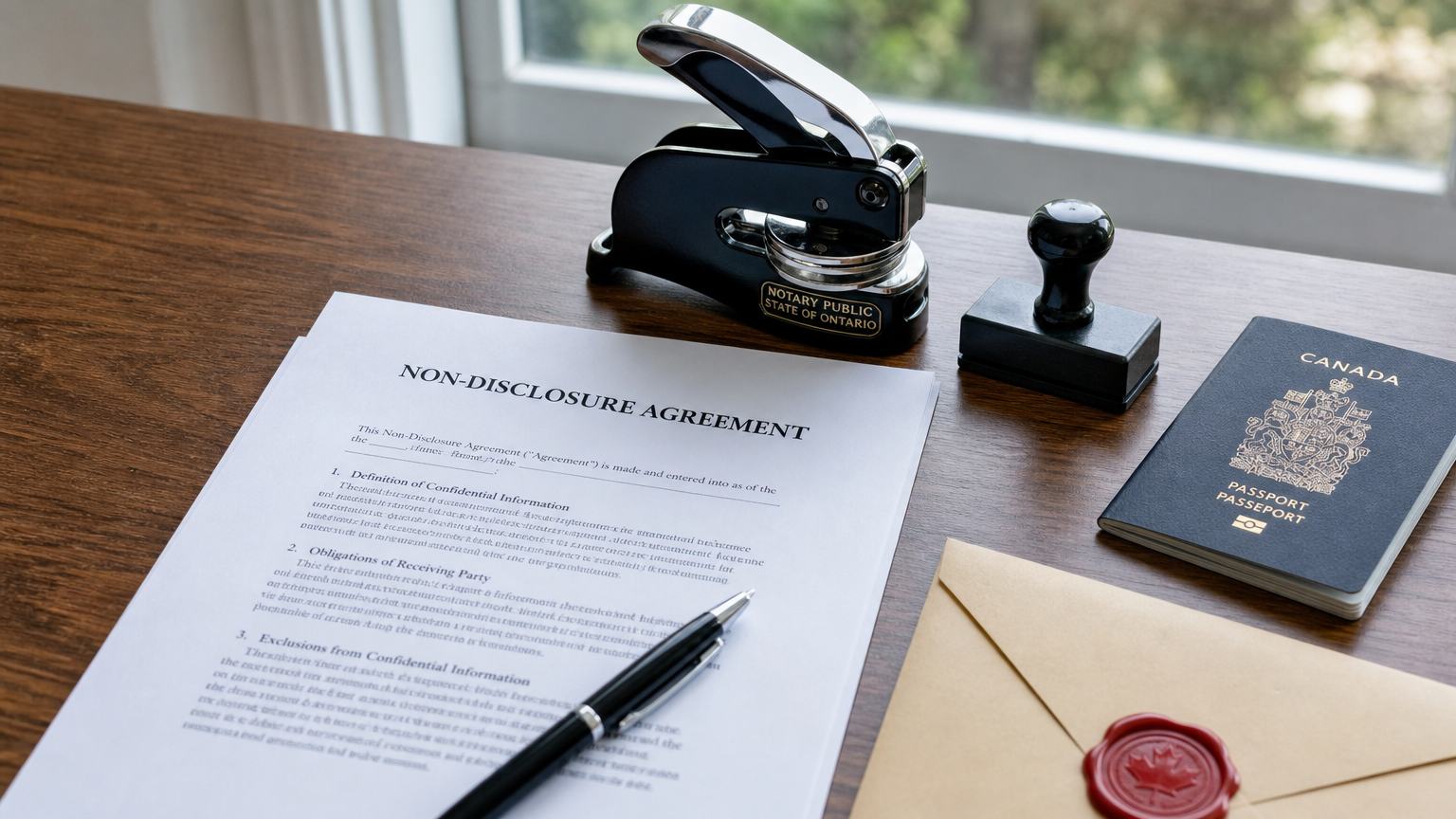
Essential guidance on NDA notarization in Ontario: when it’s required, how the process works, and how to prepare for a smooth notarization.
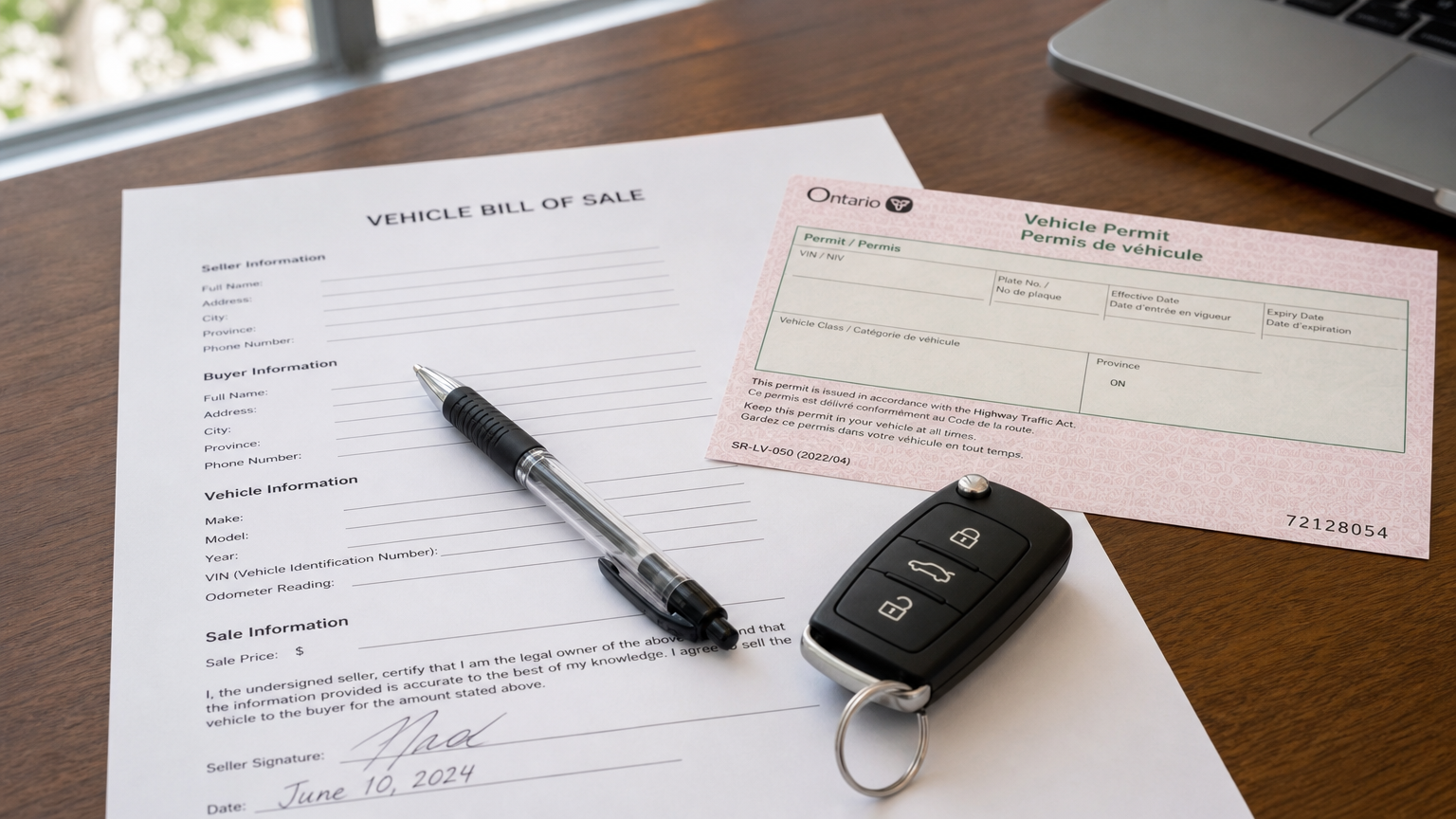
Essential vehicle transfer guidance for Ontario buyers and sellers, plus when notarization and statutory declarations are required.