Introduction
Canadians can purchase real estate in Mexico, but the process differs from buying property in Canada. Mexican law includes special rules for foreign buyers, and certain documents and legal steps are required to complete a purchase. This guide explains how foreign ownership works, what paperwork Canadians typically need, and practical steps to avoid delays or extra costs.
How Foreign Property Ownership Works in Mexico
Mexico permits non-Mexican citizens to acquire real estate, but the method of ownership depends on the property’s location. There are two general scenarios: properties inside the Restricted Zone and properties outside it.
Mexico’s Restricted Zone
The Restricted Zone includes land located within 50 km of a coastline and within 100 km of an international border. Foreign buyers cannot hold direct legal title to properties in the Restricted Zone. Instead, a bank trust arrangement is used: a Mexican bank holds legal title as trustee while the foreign buyer retains all rights of ownership and control through the trust.
Outside the Restricted Zone
For properties located outside the Restricted Zone—areas such as many inland cities and regions—foreigners are generally permitted to hold direct title to real estate under the same conditions that apply to Mexican nationals.
Can Canadians Buy Property in Mexico?
Yes. Canadian citizens may buy homes, condominiums, villas or other real estate in Mexico. Residency in Mexico is not required to purchase property. Buyers can acquire real estate for personal use, as a second home, or for rental purposes. The same documentation requirements generally apply regardless of whether the property will be occupied by the owner or offered for short-term rental.
Common Documents Canadian Buyers Need
While exact requirements can vary by transaction and locality, Canadian buyers should prepare to provide identification, proof of funds, and legal documents. Typical items include:
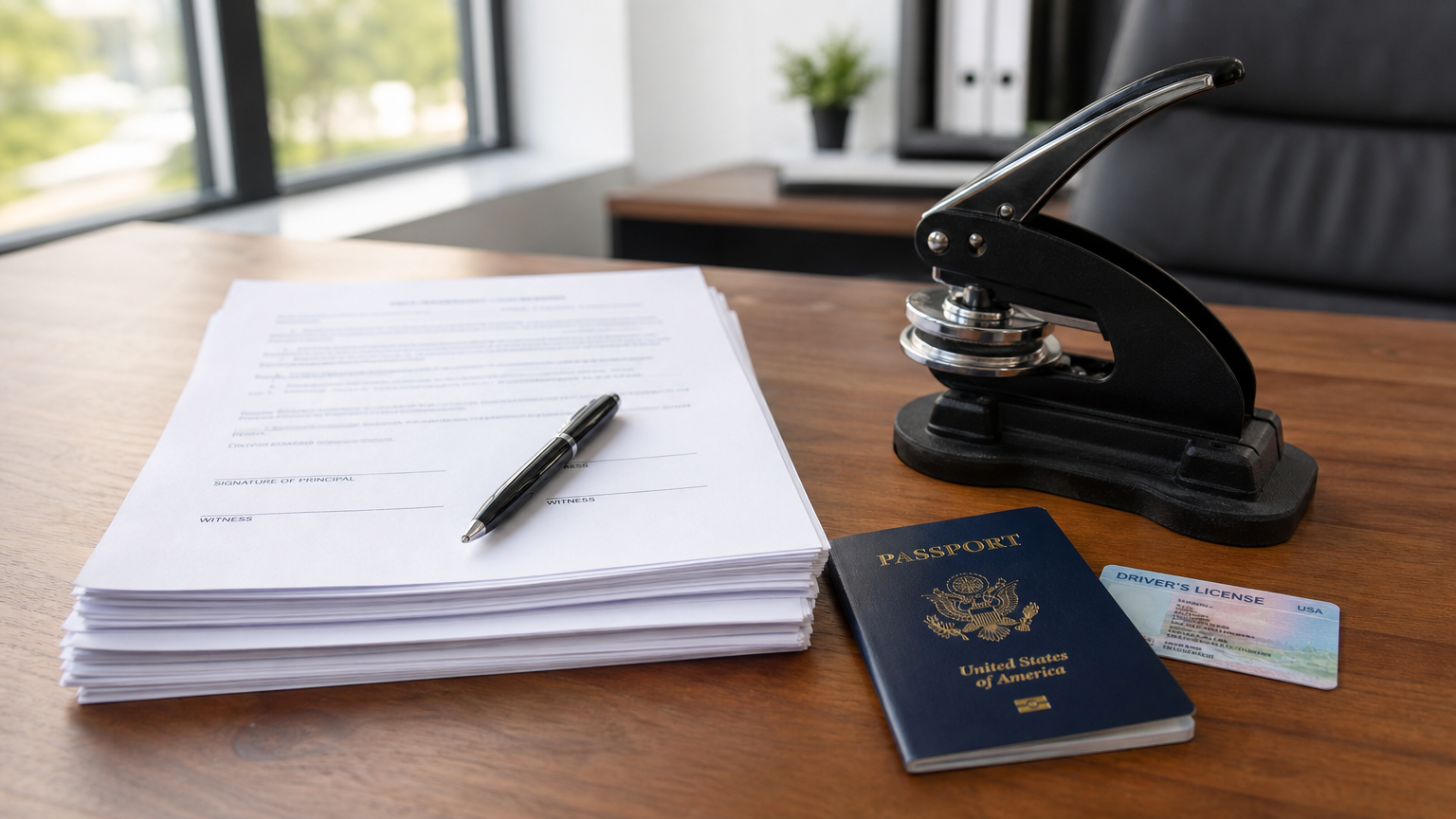
- Proof of identity, such as a valid passport.
- Evidence of payment source or proof of funds for the purchase.
- Corporate records if purchasing through a Canadian company or other legal entity.
- Power of attorney documents if someone in Mexico will sign on the buyer’s behalf.
- Civil documents that may be required, such as birth and marriage certificates.
Apostilles and Certified Translations
Documents issued in Canada that will be used in Mexico often need to be authenticated for international use. Many Canadian documents are accepted only after being legalized through an apostille or similar authentication process and, where necessary, accompanied by certified Spanish translations. Confirm with the Mexican notary or legal advisor which specific forms of legalization and translation are required for your transaction.
Legal and Administrative Considerations
Buyers should expect to work with a Mexican notary public (notario) or other local legal professionals who will perform title searches, prepare deeds and ensure compliance with Mexican property law. When a bank trust is required, the trustee bank will open the trust and hold legal title while the buyer is named beneficiary with the rights to use, lease, sell and bequeath the property.
Potential Delays and Costs
Incomplete or improperly authenticated documents can slow the closing process, increase legal costs, or require additional steps. Preparing documents in advance and confirming apostille and translation requirements will help reduce the chance of problems during closing.
Practical Steps for Canadian Buyers
- Gather Canadian documents you expect to need: passport, proof of funds, power of attorney (if applicable), birth and marriage certificates, and corporate records if relevant.
- Arrange for apostilles or other required authentication on Canadian documents, and obtain certified Spanish translations where necessary.
- Engage a local Mexican notary or attorney experienced in foreign purchases to conduct title searches and advise on whether a bank trust is required.
- Confirm the trust setup process with the trustee bank if buying inside the Restricted Zone.
- Plan for closing costs, taxes and notary fees that apply to foreign buyers in Mexico.
Conclusion
Canadian buyers can successfully purchase property in Mexico if they understand the distinction between Restricted Zone and non-Restricted Zone ownership, assemble the required identification, financial and legal documents, and take care to apostille and translate documents when necessary. Working with experienced local professionals and preparing paperwork in advance helps ensure a smoother, more predictable transaction.
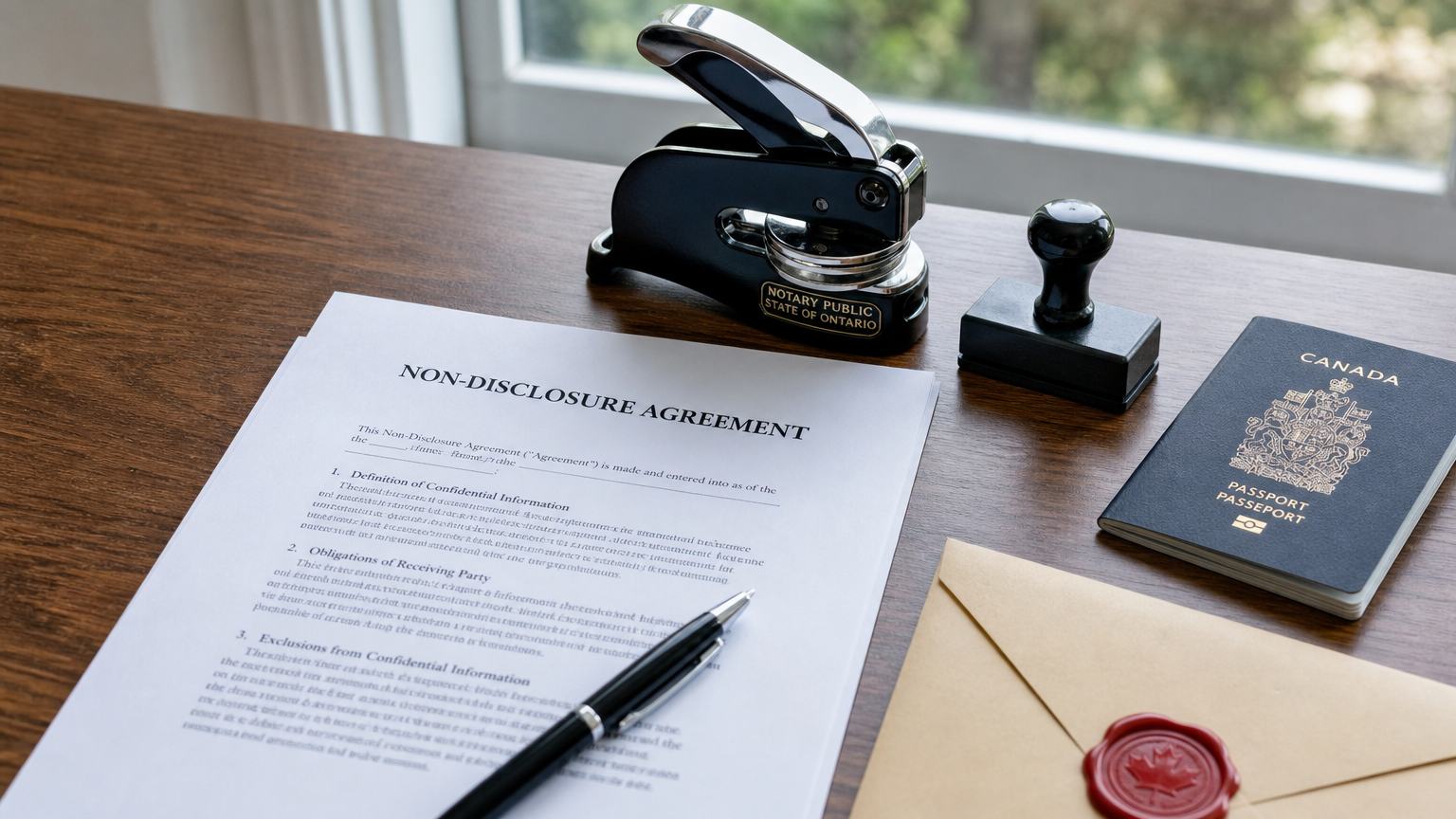
Essential guidance on NDA notarization in Ontario: when it’s required, how the process works, and how to prepare for a smooth notarization.
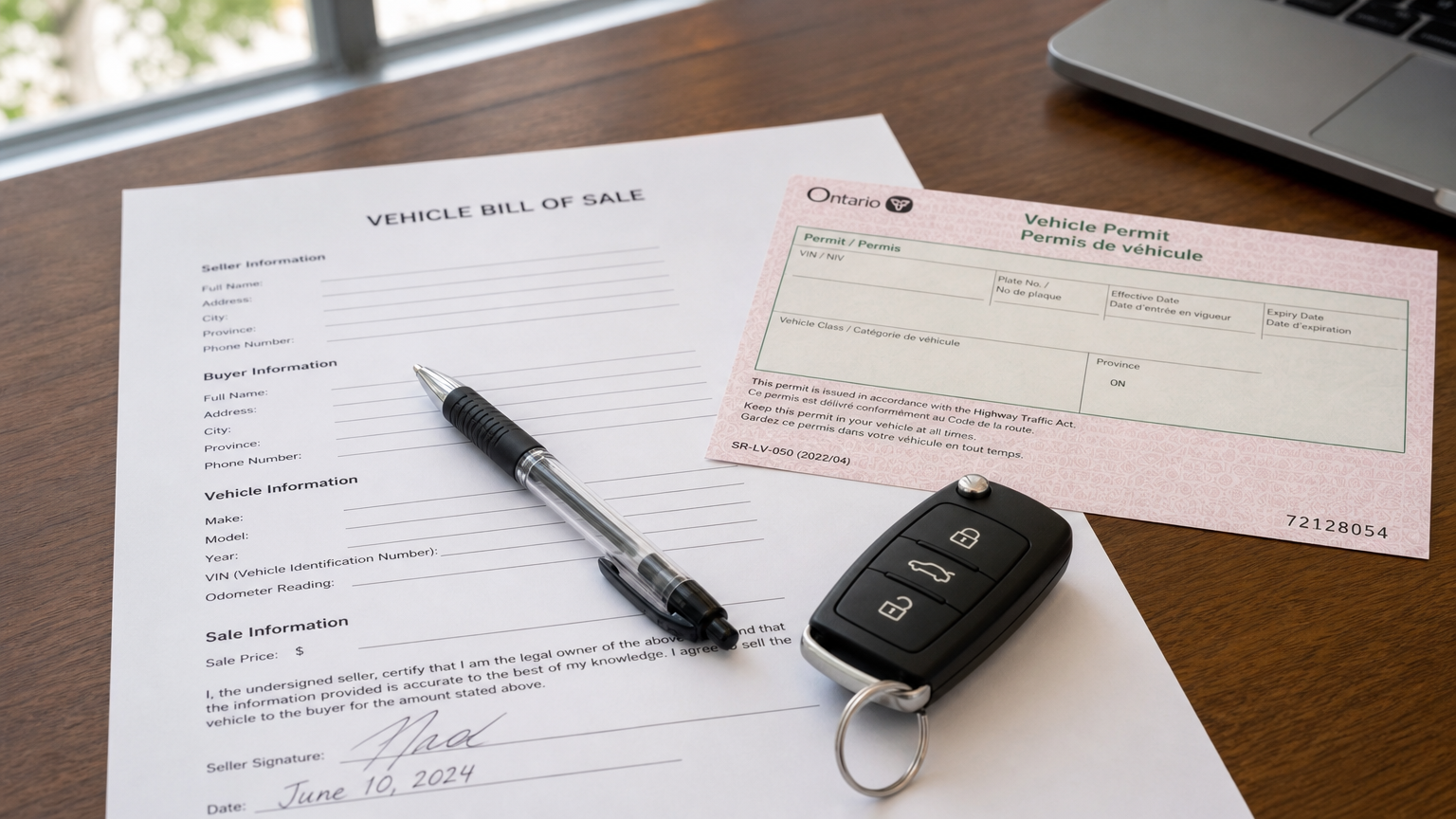
Essential vehicle transfer guidance for Ontario buyers and sellers, plus when notarization and statutory declarations are required.