Introduction
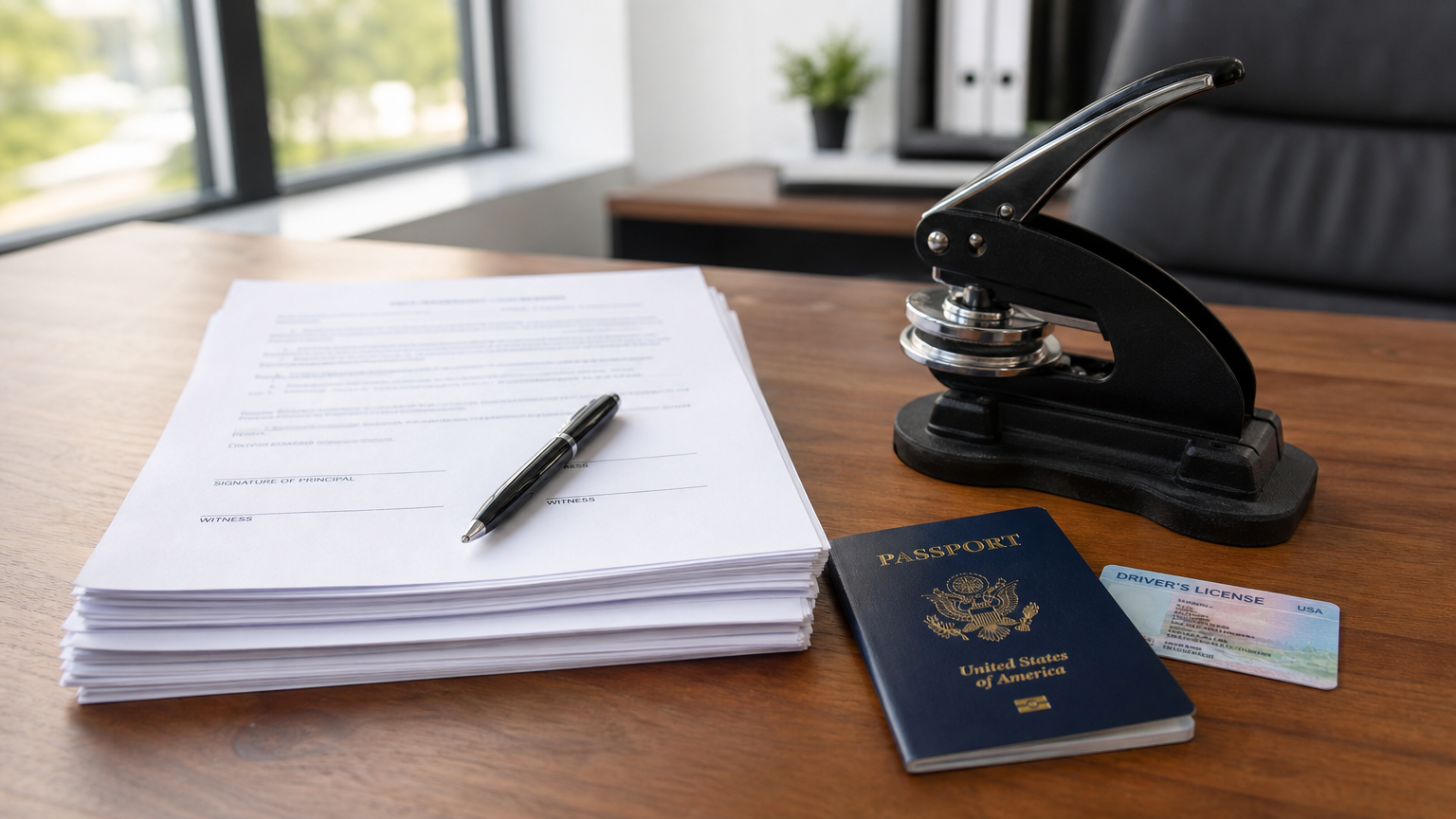
Applying for permanent residence through Express Entry is an online process managed by Immigration, Refugees and Citizenship Canada (IRCC). Receiving an Invitation to Apply (ITA) is only the first step — you must submit a full set of supporting documents that verify the information in your Express Entry profile. Missing, unclear, expired, inconsistent or improperly translated documents can delay processing or lead to refusal. This guide explains which documents are commonly required, when translations are mandatory, and how to prepare a complete package for submission.
How Express Entry Document Submission Works
Express Entry is the system used by IRCC to manage skilled-worker applications for Canadian permanent residence. After you receive an ITA, IRCC will set a deadline for uploading documents that support the claims in your profile. Documents are reviewed to confirm eligibility under the immigration program you applied under and to verify identity, education, work experience, relationships and admissibility.
Core Document Categories
The documents requested after an ITA vary by applicant, but the most common categories are listed below. Prepare originals and clear digital copies as required, and ensure every item matches the information in your Express Entry profile.
Identity and Civil Status
- Valid passport or travel document for every applicant listed on the application.
- Birth certificates that show full names and dates of birth.
- Marriage certificates, divorce decrees, death certificates or other civil status documents where applicable.
Proof of Relationship
- Spousal or common-law partner documents, including marriage or partnership certificates and evidence of cohabitation where required.
- Dependent child documents, such as birth certificates, adoption papers or custody orders when relevant.
Education and Credentials
- Educational credential assessments (ECAs) for foreign qualifications, obtained from organizations designated by IRCC where an assessment is required to claim points for education.
- Diplomas, degrees, transcripts and any documents that substantiate study periods and credential equivalency.
Language Test Results
- Results from an IRCC-approved language test demonstrating proficiency in English and/or French, when required to claim points or meet program requirements. Submit the official test report that matches the information in your profile.
Work Experience and Employment Documents
- Reference letters from employers detailing position titles, duties, dates of employment, hours worked and salary information where applicable.
- Pay slips, tax records or employment contracts may be requested to corroborate work history.
Police Certificates and Medical Exams
- Police certificates (criminal record checks) from each country where you have lived for more than six months since turning 18, as required by IRCC.
- Results of IRCC-designated medical examinations performed by panel physicians, submitted when requested.
Proof of Funds and Other Supporting Documents
- Proof of settlement funds, bank statements or financial documents if your program requires evidence that you can support yourself and your family.
- Any additional documents requested in your ITA specific to your application category (for example, job offers, provincial nomination certificates, or program-specific evidence).
Translation and Document Format Requirements
IRCC requires that documents not in English or French be accompanied by a certified translation. Each translated document should be submitted with a copy of the original language document. The translation must be accurate and include a signed statement from the translator or translation company attesting to the completeness and accuracy of the translation. Follow IRCC’s instructions for acceptable file types, legibility, and any additional declarations required from the translator.
Ensure scans or digital copies are clear, complete and show all relevant pages and stamps. Documents that are illegible, expired, inconsistent with your profile, or submitted in an incorrect format risk being returned or leading to refusal, even if you meet the eligibility criteria or have a qualifying Comprehensive Ranking System (CRS) score.
Common Pitfalls and Practical Tips
- Do not wait until the last day of the ITA deadline — gather required documents early to allow time for translations, notarization or additional requests.
- Verify validity dates on passports and certificates; renew any documents that will expire before IRCC completes processing.
- Cross-check names, dates and spellings across all documents and your Express Entry profile to avoid inconsistencies.
- If you have lived in multiple countries, obtain police certificates from each jurisdiction where you lived more than six months since age 18.
- Keep originals and certified copies organized and accessible in case IRCC requests to see them later in the process.
Conclusion
Preparing a complete and properly formatted document package is essential after receiving an ITA through Express Entry. IRCC reviews supporting documents to confirm eligibility and admissibility, and requires certified translations for any records not in English or French. Missing, unclear or inconsistent documents can lead to delays or refusal, so start assembling and verifying your documentation well before the ITA deadline and follow IRCC’s specified translation and format requirements.
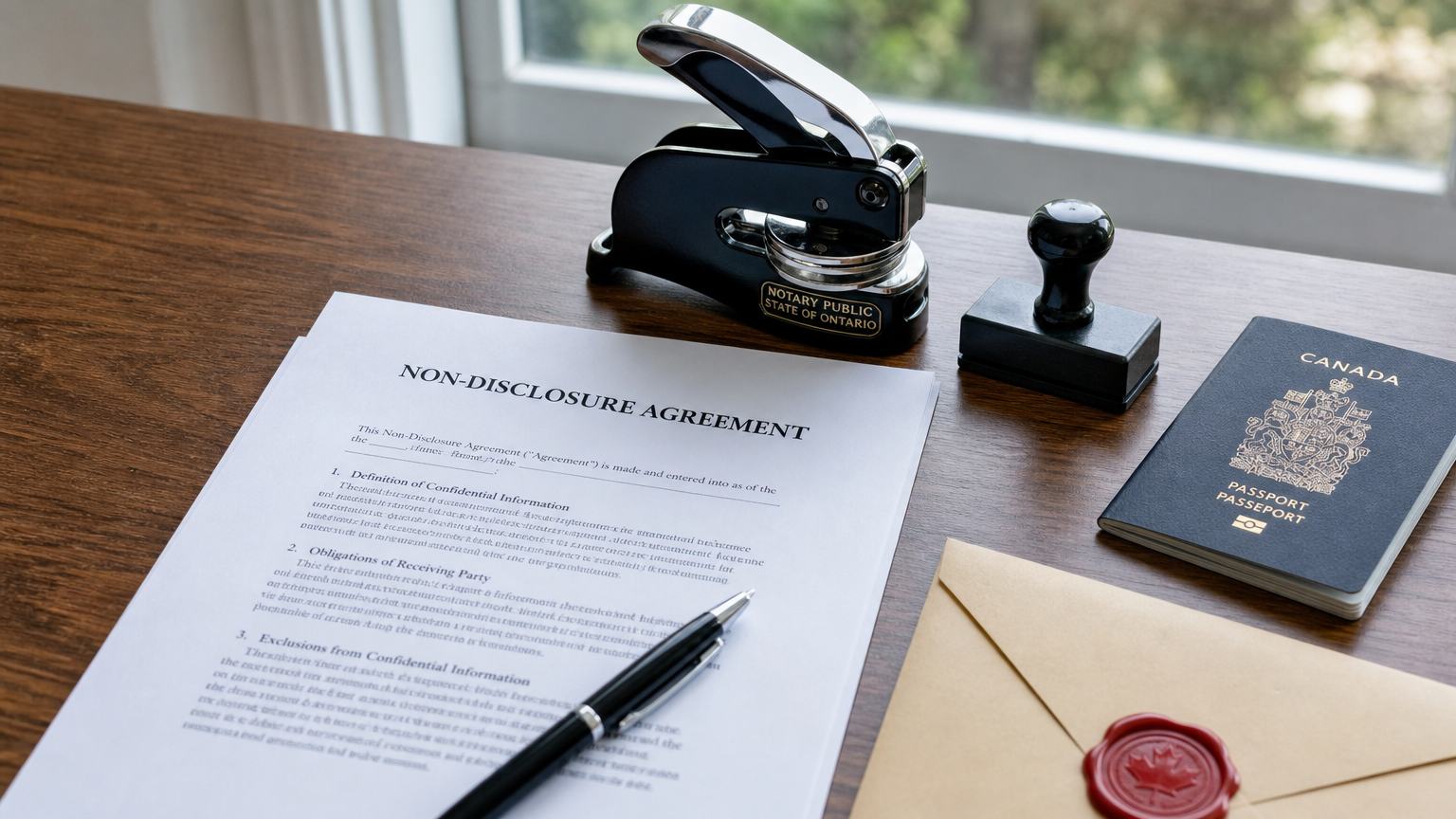
Essential guidance on NDA notarization in Ontario: when it’s required, how the process works, and how to prepare for a smooth notarization.
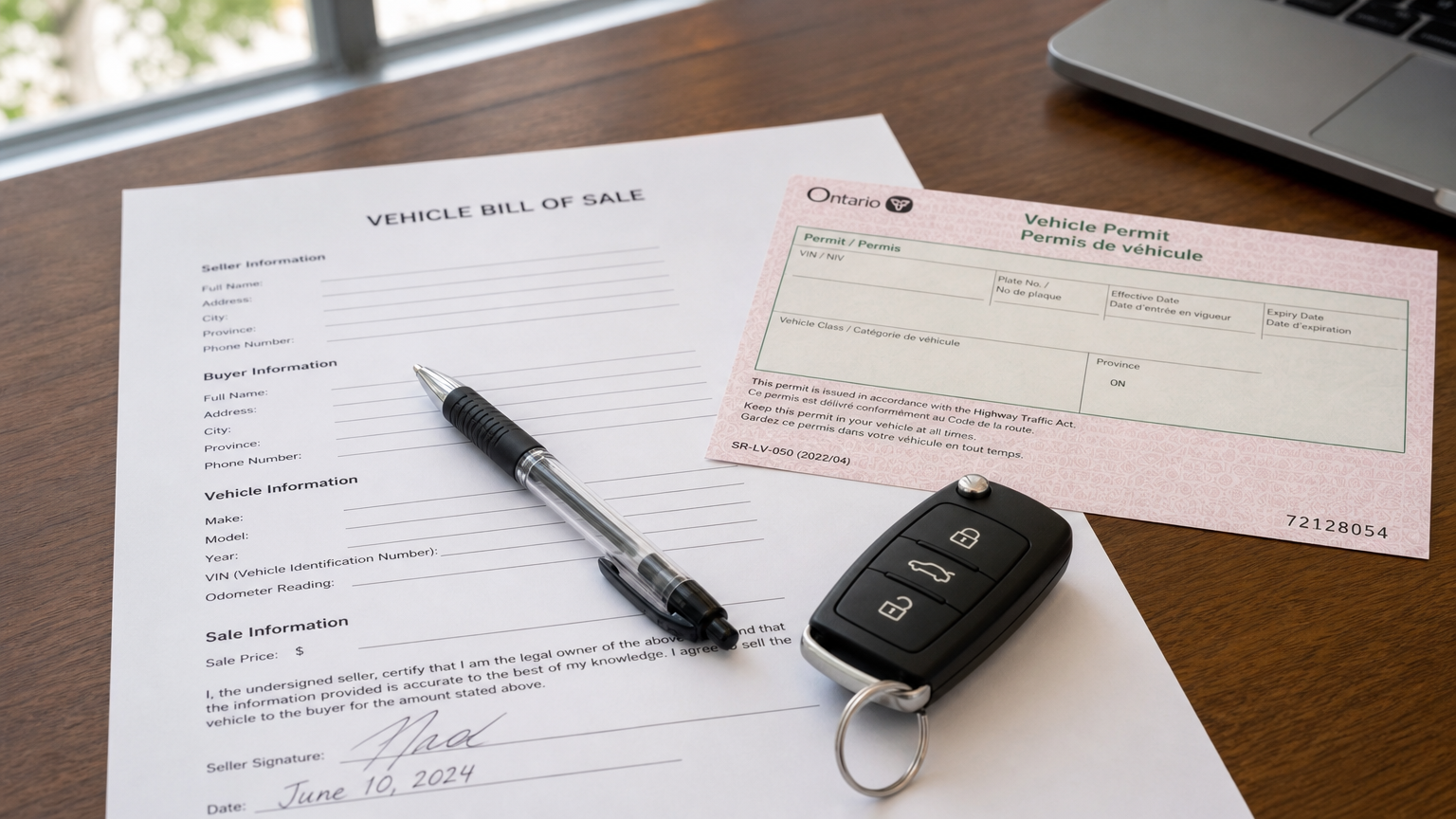
Essential vehicle transfer guidance for Ontario buyers and sellers, plus when notarization and statutory declarations are required.