Introduction
Affidavits are written statements sworn or affirmed to be true and are widely used as evidence in legal and administrative matters. A common question is whether an affidavit must be notarized to be valid. The answer depends on the type of affidavit and the rules of the jurisdiction where it will be used. This guide explains what an affidavit is, how to prepare one, the role of notarization, when notarization is typically required, alternatives, and recommended best practices.
Understanding the affidavit
An affidavit is a document in which an individual (the declarant) makes a written statement and swears or affirms under oath that the contents are true. Because the statement is made under oath, knowingly providing false information in an affidavit can give rise to criminal penalties for perjury or similar offenses. Affidavits are commonly used in courts, administrative agencies, real estate matters, and financial transactions to present facts in support of a claim or defense.
How to prepare an affidavit
Preparing an affidavit usually follows a consistent process, although specific requirements vary by jurisdiction and purpose. Typical steps include:
- Title the document to indicate it is an affidavit and identify the declarant.
- Begin with a clear statement of identity and relevant background (name, address, and relationship to the matter, if required by local rules).
- Set out facts in numbered paragraphs, keeping each paragraph to a single idea or fact for clarity.
- Include dates, locations, and any supporting details that establish the declarant’s knowledge of the facts.
- Attach or reference supporting documents or exhibits when necessary, and label them clearly.
- Conclude with a statement that the declarant swears or affirms the truth of the contents under penalty of perjury, if required by local law.
- Sign and date the affidavit in the presence of the required official if notarization or another form of attestation is required.
The role of the notary public
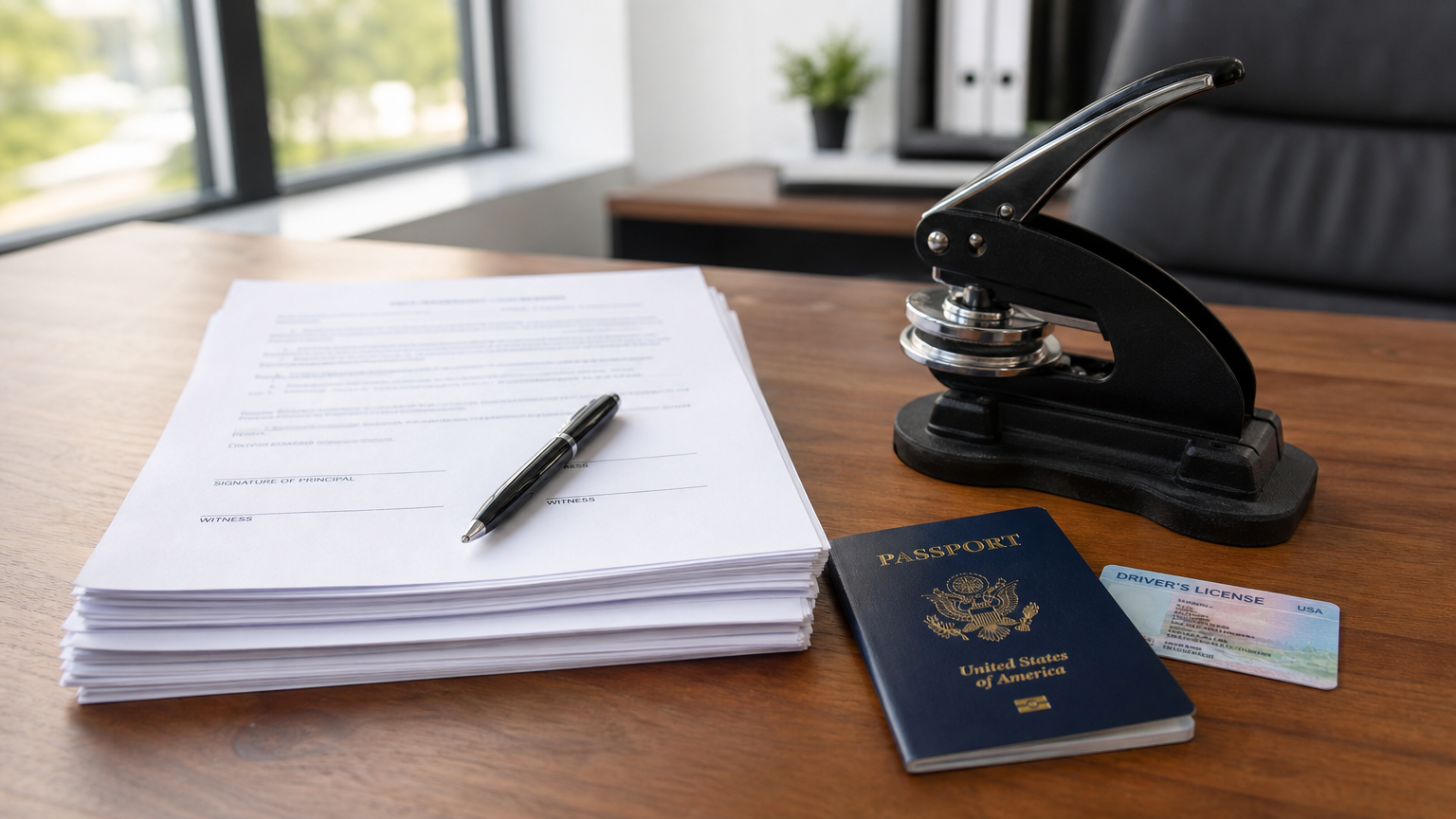
A notary public is an impartial official whose primary duties include verifying the signer’s identity, witnessing the signature, administering oaths or affirmations, and certifying that the formalities required for the affidavit were observed. Notarial certification places an additional layer of assurance on the document by confirming that the person who signed the affidavit is who they claim to be and did so willingly.
Notarization does not make the facts in an affidavit true; it verifies procedural formalities and helps prevent fraud. Many courts and agencies treat notarized affidavits as having greater evidentiary weight because of the notary’s role in verifying identity and signature.
Are affidavits valid without a notary?
The validity of an affidavit without a notary depends on where and for what purpose it will be used. In many situations an affidavit must be notarized to be accepted. In other situations, an unsworn written declaration or a signed affidavit may be accepted if the jurisdiction’s rules permit it.
Key considerations include:
- Jurisdictional rules: Legal procedures and administrative forms differ between countries, states, and agencies. Some allow unsworn declarations signed under penalty of perjury as an alternative; others require a formal oath before a notary or authorized official.
- Type of proceeding or transaction: Matters involving property transfers, deeds, powers of attorney, and some court filings often require notarization. Administrative or procedural filings sometimes accept a signature under penalty of perjury instead.
- Recipient requirements: A court, government agency, bank, or other recipient may have its own rules about whether a notarized affidavit is required.
When notarization is commonly required
Although requirements vary, notarization is frequently required for:
- Real estate documents, deeds, and mortgage-related paperwork.
- Powers of attorney and certain estate planning documents.
- Some court filings and affidavits submitted as evidence in contested matters.
- Documents used for cross-border or official government transactions where identity verification is essential.
- Administrative forms where a formal oath or affirmation is legally mandated.
Alternatives to notarization
If notarization is not available or not required, some alternatives may be acceptable depending on local rules:
- Signed declaration under penalty of perjury: Many jurisdictions permit a written declaration that the signer is subject to penalties for false statements in place of a notarized oath.
- Oath before an authorized official: A court clerk, justice of the peace, or other designated official may administer an oath and certify the document.
- Witnessed signature: Some processes accept affidavits signed in the presence of one or more witnesses who then sign and attest to the signature.
- Remote or electronic notarization: Several jurisdictions now authorize remote online notarization or electronic notarization methods; acceptance depends on the receiving authority.
Best practices when preparing an affidavit
To reduce the risk of rejection or legal complications, follow these best practices:
- Check local rules and the receiving authority’s requirements before drafting the affidavit.
- Be precise and factual: avoid speculation and opinion unless clearly identified as such.
- Include dates, places, and supporting documents where relevant.
- Keep the affidavit concise and organized with numbered paragraphs.
- If notarization is required, sign only in the notary’s presence and bring valid identification.
- Consider consulting legal counsel for complex matters or when the affidavit supports significant transactions or litigation.
Potential risks of using a non-notarized affidavit
Using an affidavit without the required notarization can result in administrative rejection, evidentiary objections, or delays. In some cases, a court or agency may refuse to accept the affidavit, request additional proof of identity or authenticity, or require re-execution with proper attestation. Relying on an unsworn statement when a sworn affidavit is mandated can weaken a party’s legal position.
Ensure your affidavit meets legal standards
Because rules vary, always confirm the specific formality required for the intended use. When in doubt, obtain notarization or other formal attestation to maximize the affidavit’s acceptability. For cross-jurisdictional matters or high-value transactions, professional legal advice can help ensure compliance with procedural and substantive requirements.
Conclusion
An affidavit is a sworn written statement used across many legal contexts. Whether it must be notarized depends on jurisdictional rules and the type of transaction or proceeding. When notarization is required, it provides an important layer of identity verification and procedural assurance. To avoid problems, verify the recipient’s requirements, follow local rules, and consider notarization or other authorized forms of attestation when necessary.
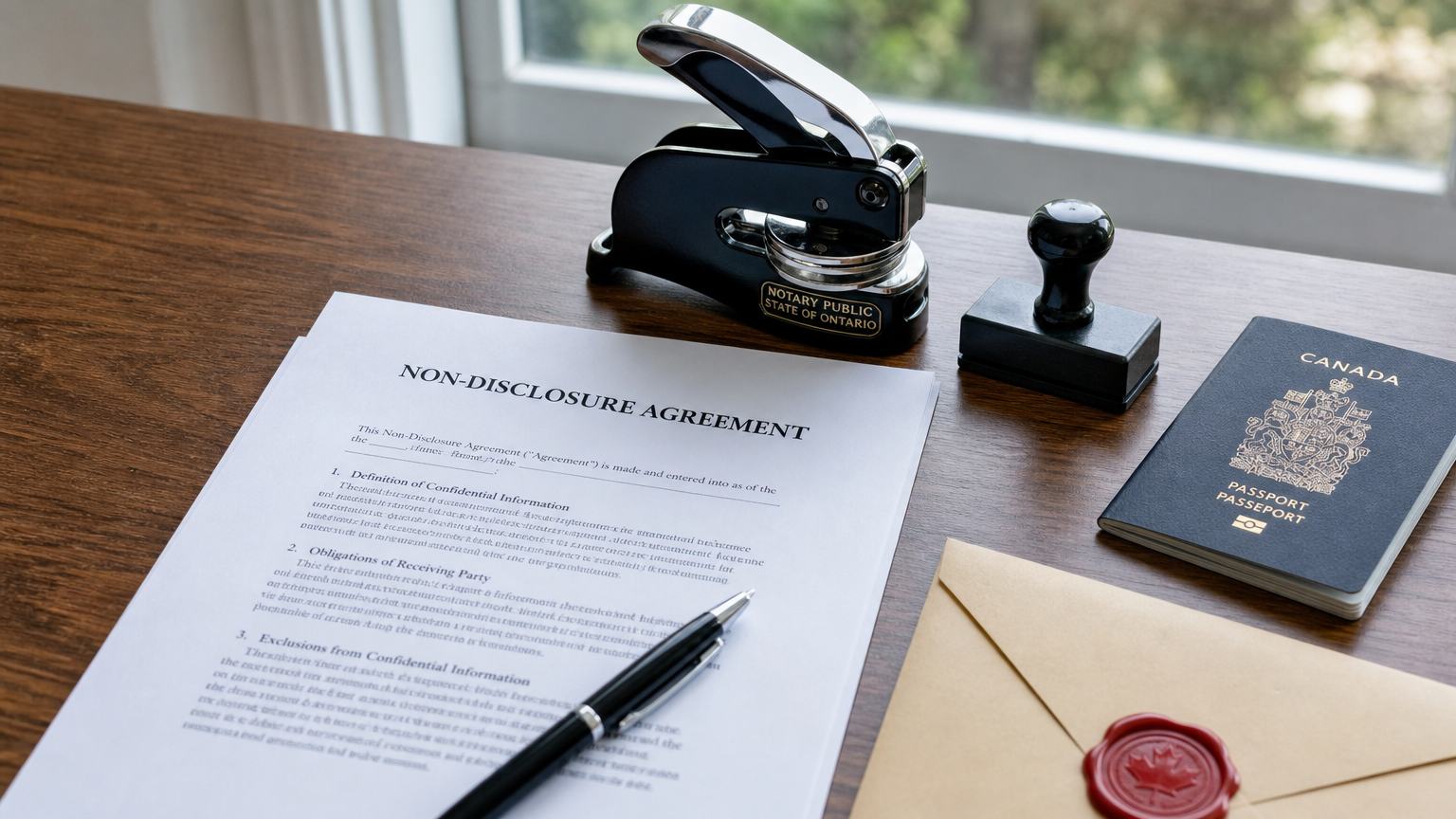
Essential guidance on NDA notarization in Ontario: when it’s required, how the process works, and how to prepare for a smooth notarization.
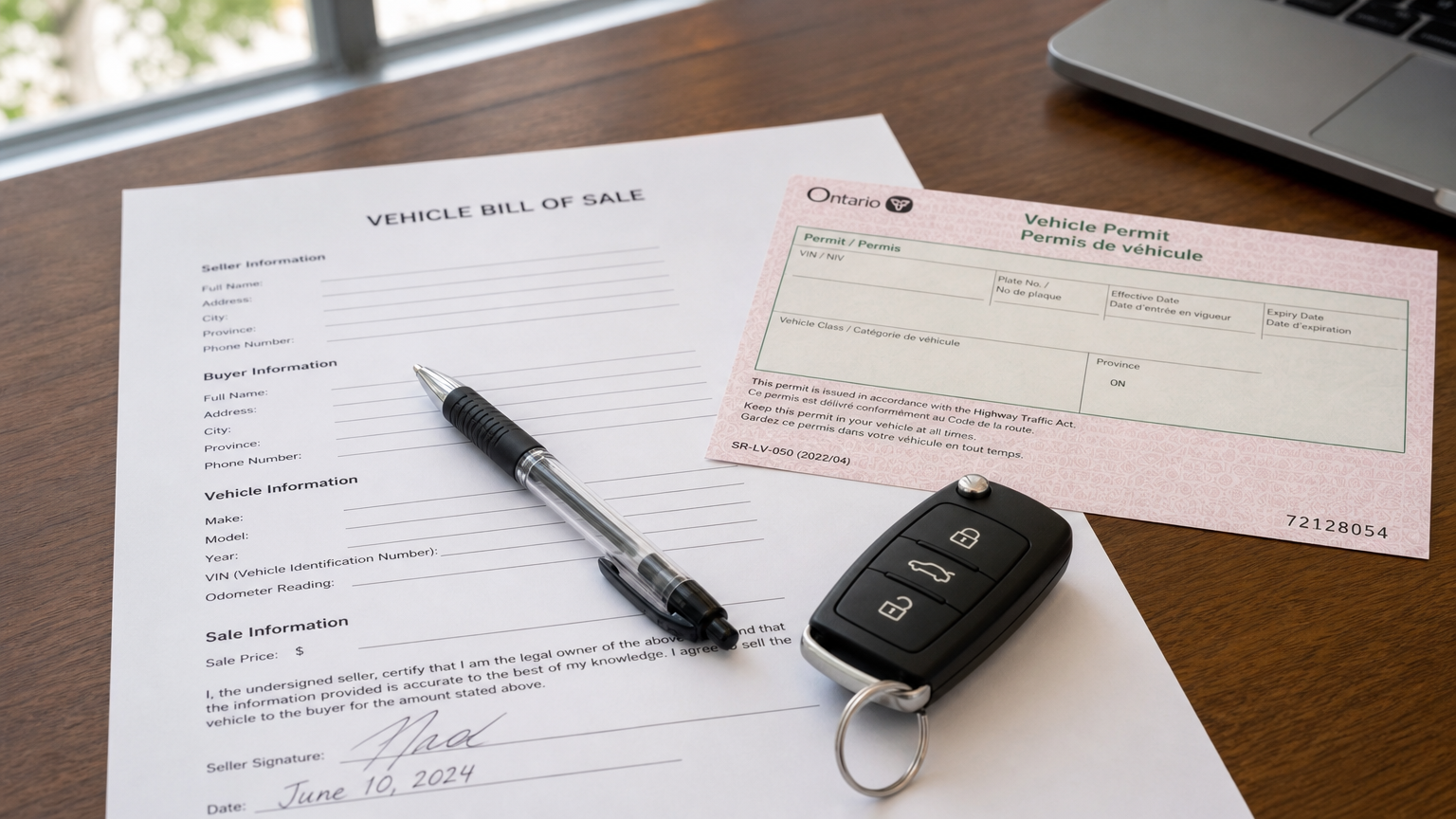
Essential vehicle transfer guidance for Ontario buyers and sellers, plus when notarization and statutory declarations are required.