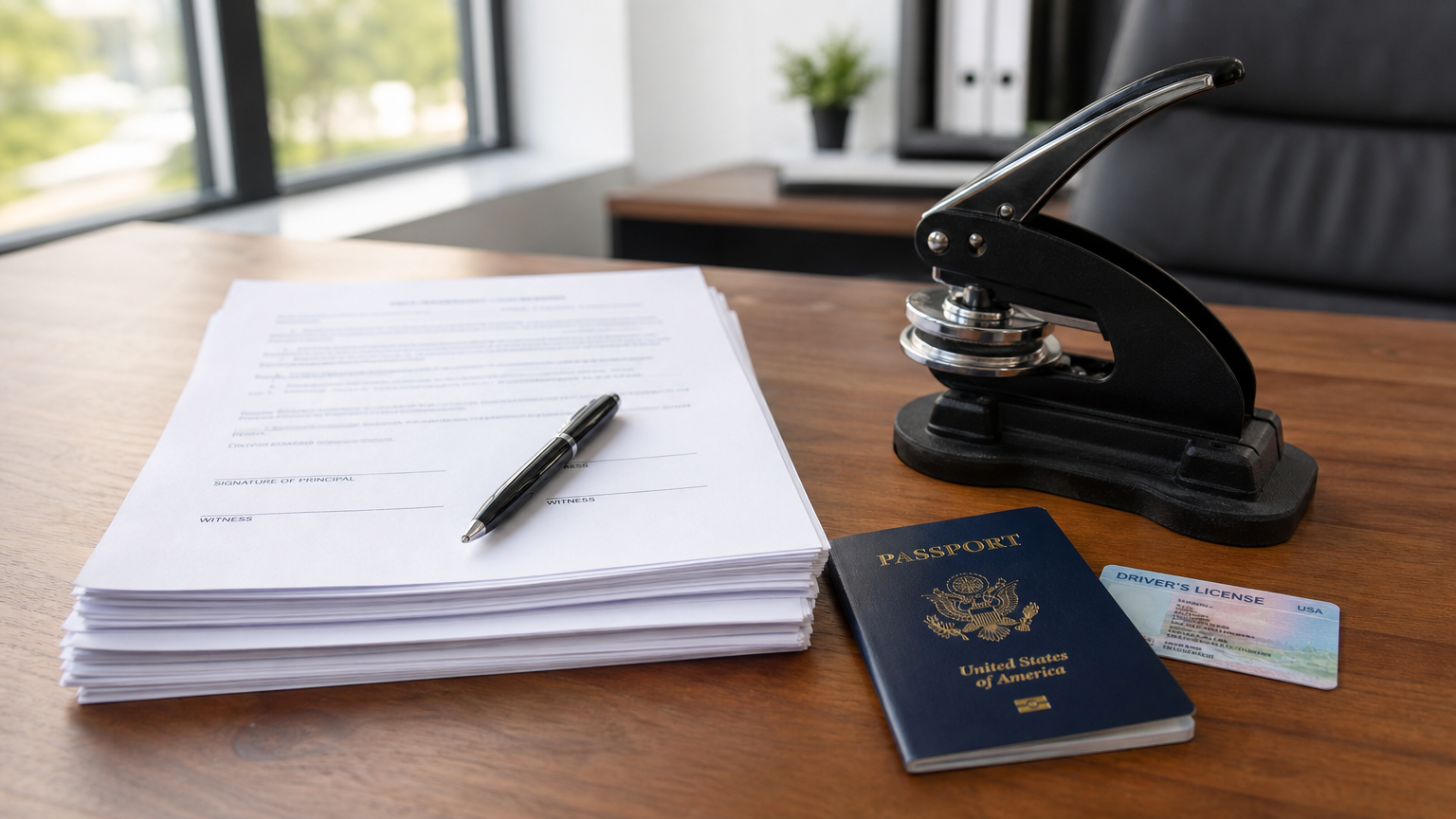
Introduction
An affidavit is a formal written statement made under oath or affirmation. In Ontario it is used across courts, government offices and private matters to provide a reliable, sworn record of facts. This guide explains what an affidavit is, common situations where it’s used, how to prepare one correctly, who can witness it, and the legal consequences of false statements.
Definition of an affidavit
An affidavit is a signed document in which the person making the statement—commonly called the affiant or deponent—declares that the contents are true. The declaration is made in the presence of an authorized official who can administer an oath or take an affirmation, such as a notary public or a commissioner of oaths.
Because the affiant swears to the accuracy of the information, affidavits carry legal weight. Providing false information in an affidavit can result in criminal charges and penalties, including a fine or a jail term of up to two years in Canada.
Common purposes for affidavits in Ontario
Affidavits are used whenever a clear, sworn statement of facts is required. Typical uses include:
- Evidence in civil or family court proceedings
- Affirmations of identity, residence, or marital status for administrative processes
- Confirming facts in estate, probate, or guardianship matters
- Supporting applications for government programs or administrative appeals
- Sworn statements for real estate or financing transactions
The process of preparing an affidavit
Preparing an affidavit involves several standard elements to ensure it is valid and admissible:
- Drafting: Begin with a clear heading and a concise statement of who is making the affidavit (the affiant) and their connection to the matter.
- Set out facts: List facts in numbered paragraphs, focusing on first-hand knowledge. Avoid opinions unless clearly identified as such.
- Attach exhibits: If referring to documents, label them as exhibits (for example, Exhibit A) and attach copies as appropriate.
- Oath or affirmation: The affiant must swear an oath or make a solemn affirmation that the statement is true.
- Signing: The affiant signs the affidavit in the presence of the authorized official who will witness the signature and complete the jurat (the section showing where and when the oath was given).
- Include details: Record the date, location, and the name and title of the official who took the oath or affirmation.
Legal importance and consequences
An affidavit forms part of the official record and can be used as evidence in legal and administrative proceedings. Because the affiant swears to the truth of the contents, intentionally including false information is a serious matter. In Canada, making false statements in sworn documents can lead to prosecution and penalties, which may include a fine or imprisonment for up to two years.
The role of notaries and commissioners of oaths
Only certain officials can administer oaths or take affirmations. Their roles include verifying the identity of the affiant, witnessing the signature, and completing the jurat. Two common officials are:
- Notary public: Often able to notarize documents for both domestic and international use, providing authentication that may be required by foreign authorities.
- Commissioner of oaths: Typically authorized to administer oaths and take affidavits within the relevant jurisdiction for court and administrative purposes.
The exact authority and functions of each official can vary by context, so confirm which type of witness is needed for your particular affidavit.
When to seek professional help
Consider seeking legal assistance when the affidavit relates to complex or high-stakes matters. Professional help is advisable for:
- Court proceedings where evidentiary rules must be followed
- Estate, probate or guardianship matters with competing interests
- Real estate, corporate or financial transactions
- Immigration or cross-jurisdictional issues requiring authenticated documents
- Any situation where accuracy and proper form are critical to legal outcomes
Conclusion
An affidavit is a powerful legal tool for presenting sworn facts in Ontario. Preparing it correctly—clearly stating facts, attaching relevant exhibits, and signing before an authorized official—helps ensure it fulfils its purpose. Because false statements carry serious penalties, including the possibility of fines or imprisonment of up to two years, accuracy and care are essential. When in doubt, consult a legal professional to ensure your affidavit is properly drafted and witnessed.
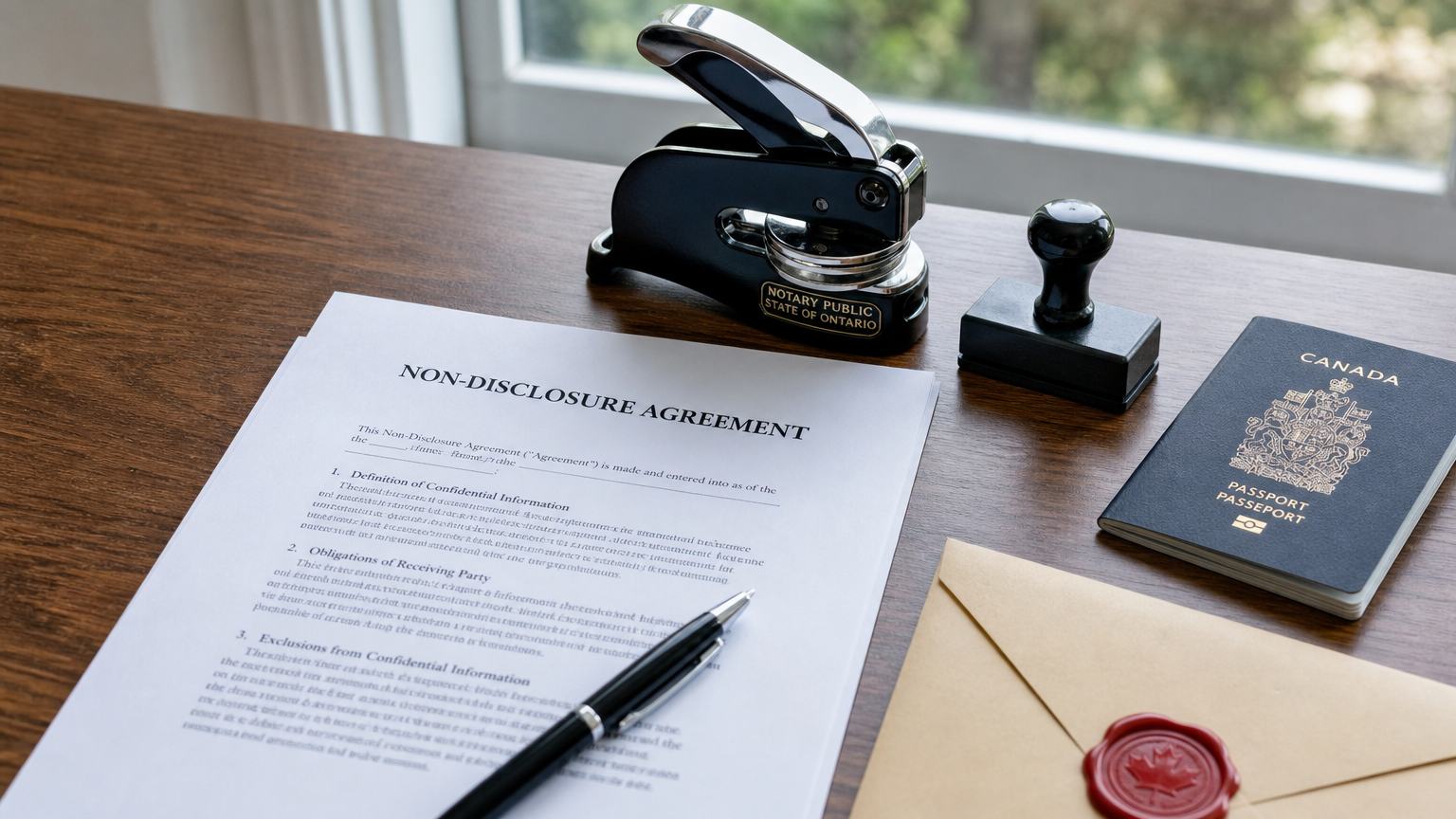
Essential guidance on NDA notarization in Ontario: when it’s required, how the process works, and how to prepare for a smooth notarization.
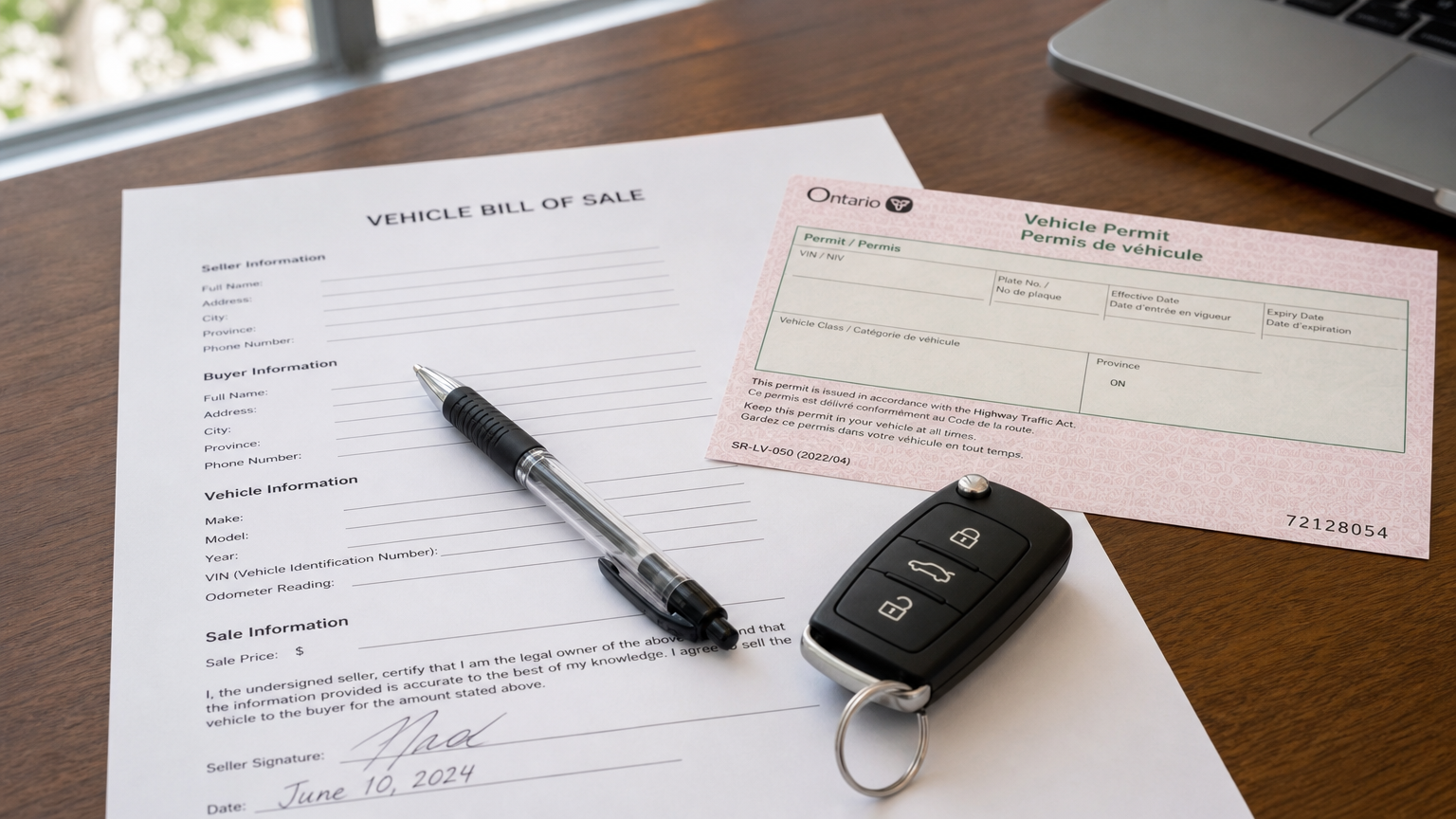
Essential vehicle transfer guidance for Ontario buyers and sellers, plus when notarization and statutory declarations are required.