
When a bank, landlord, lender or partner hands over paperwork and asks for it to be “notarized,” they are usually asking for business notarization — a notarized record that verifies identity, witnesses signatures, or certifies copies. Mistaking the required notarial act can delay transactions and cause rejections, so understanding what type of notary service is needed is critical.
- When Business Notarization Is Required
- Common Business Situations Requiring Notarization
- Types of Notarial Acts
- How to Prepare for a Notary Visit
- Mobile and Local Notary Options in Brampton
- Fees and Timing
- Common Mistakes to Avoid
- Conclusion
When Business Notarization Is Required
Most business contracts are legally binding without notarization, but third parties often request a notarized form of proof. Business notarization is typically requested when the recipient wants independent confirmation of the signer’s identity, the timing of the signature, or an authenticated copy of an original document. Before scheduling a notary appointment, confirm whether the counterparty requires identity verification, witnessing, a jurat, or a certified true copy.
Common Business Situations Requiring Notarization
Certain business events commonly trigger requests for notarization. While the law rarely mandates it, banks, licensing offices, landlords and lenders frequently ask for notarial services to reduce future disputes.
Commercial Leases and Lease Guarantees
Commercial leases themselves usually don’t need a notarized signature to be enforceable, but landlords often ask guarantors to sign before a notary. A notarized guarantee creates an official record that the guarantor signed willingly and was properly identified.
Loan Documents and Personal Guarantees
Lenders commonly request notarized signatures on loan agreements and especially on personal guarantees from business owners. A notary’s certification strengthens the evidentiary value of the signature if the guarantee is later contested.
Business Purchases, Sales and Partnership Agreements
When buying, selling or admitting a new partner, parties may want notarized signatures to confirm who signed and when—particularly when signers are remote or parties have limited prior dealings. Lawyers drafting these agreements often recommend notarization as an extra layer of verification.
Certified True Copies for Banks, Licences and Registrations
Banks opening accounts, licensing authorities and registration offices frequently demand certified true copies of corporate documents, identification, or certificates. A notary certifies that a copy is a true reproduction of an original document, which avoids sending original records to third parties.
Types of Notarial Acts
Understanding the notarial act being requested helps ensure the correct procedure is followed. The most common business-oriented notarial acts are:
- Identity verification and signature witnessing — the notary confirms the signer is who they claim to be and watches the signing.
- Jurat — the signer swears or affirms the truth of statements in a document and signs in front of the notary.
- Oaths and affirmations — used when a document requires a sworn statement.
- Certified true copies — the notary confirms a photocopy matches the original document.
How to Prepare for a Notary Visit
Preparing correctly saves time and prevents rejected documents. For business notarization, follow these practical steps:
- Confirm the exact notarial act required with the requesting party before you arrive.
- Do not sign the document beforehand unless instructed; many notaries must witness the signature.
- Bring valid government-issued photo ID for every signer.
- Bring the original documents and the number of copies needed for certification.
- If signing on behalf of a corporation or other entity, bring proof of authority such as a board resolution or power of attorney.
- Schedule an appointment and ask whether the notary offers remote, mobile, or in-office services and what identification they accept.
Mobile and Local Notary Options in Brampton
Many businesses prefer a mobile notary who travels to offices, commercial properties or meeting venues. Mobile notaries perform the same business notarization services but add convenience for signers who cannot easily travel. When using a mobile notary in Brampton, confirm appointment availability, travel fees and any identification requirements ahead of time.
Fees and Timing
Notary fees vary by jurisdiction and service type. Certified true copies, jurats and mobile visits typically have different price points. Timing also matters: some requests arise close to deadlines, so book the notary early to avoid delays. Ask the notary about turnaround expectations for certifications or multiple documents.
Common Mistakes to Avoid
Avoid these frequent errors that can cause rejections or delays in business notarization:
- Signing before the notary witnesses the signature.
- Failing to confirm which notarial act is required (witnessing vs certified copy vs jurat).
- Bringing only photocopies when originals are required for certification.
- Not providing proof of authority for signers representing a company.
- Assuming one type of notarization fits all documents—different recipients may insist on specific wording or formats.
Conclusion
Business notarization is a practical tool to add independent verification to contracts, guarantees and certified copies. Verify the exact notarial act requested, bring proper ID and documentation, and consider mobile options for convenience in Brampton. Being prepared reduces the risk of rejection and keeps business transactions moving smoothly.

Plan multiple notarizations in one visit: what to bring, typical fees, timing, and when a second trip might be required.
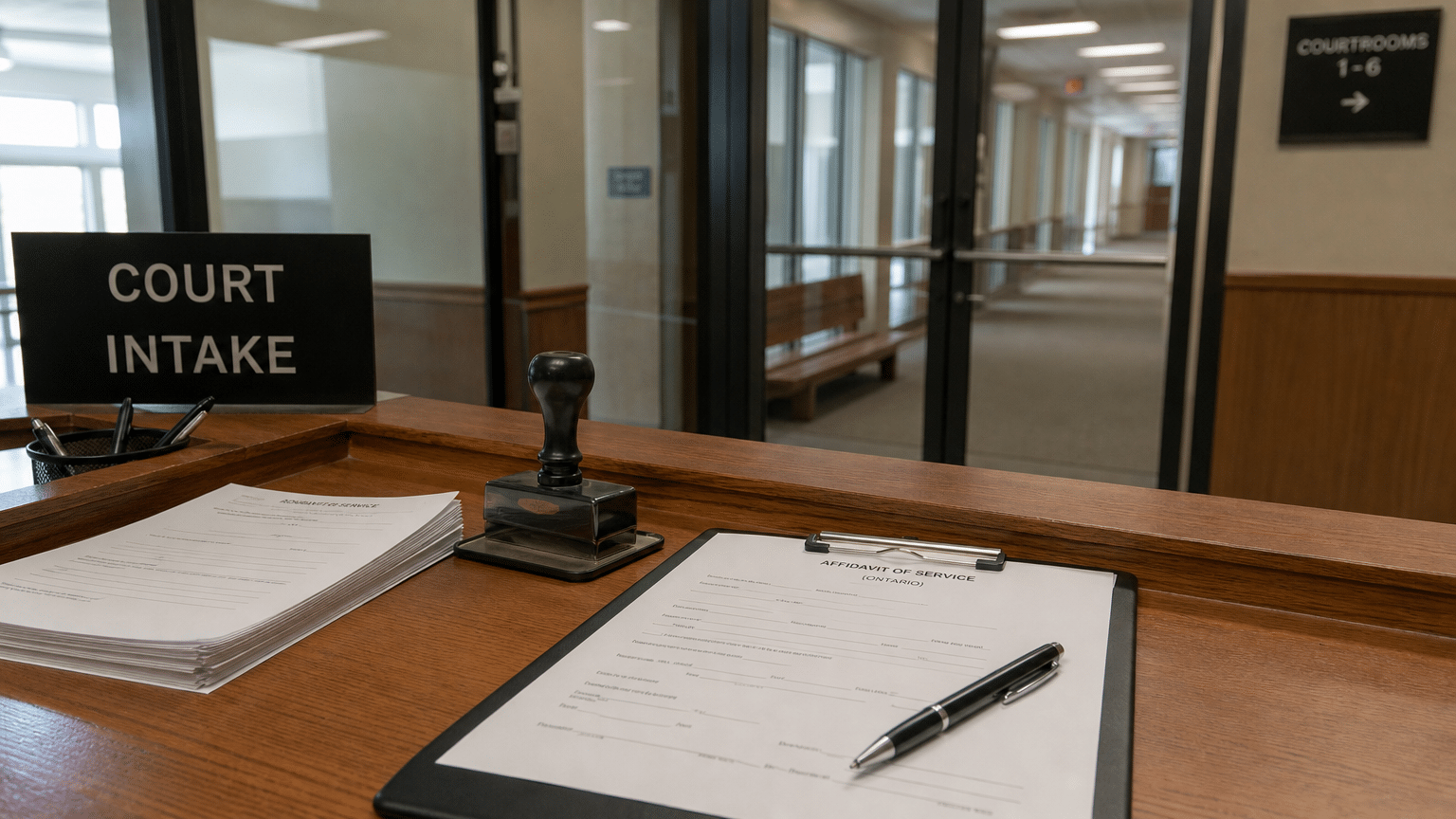
Clear, practical guide to completing an Affidavit of Service in Ontario Small Claims Court, with who should serve, methods, and filing tips.

Discover why you should notarize will in Ontario to avoid delays, satisfy banks and handle international assets—practical steps and legal insights.