
An NDA notarization ensures signatures are authenticated for institutions, cross-border transactions, or parties that demand verified documents. This guide explains when an NDA notarization is necessary in Ontario, what the notarization process looks like, and how to prepare so your agreement is accepted without delay.
- When NDA notarization is needed
- What an NDA does and why notarization may matter
- The notarization process: step-by-step
- How to prepare for your notarization appointment
- Conclusion and next steps
When NDA notarization is needed
In Ontario, an NDA is legally binding once the parties sign it, so notarization is not routinely required for domestic agreements. However, notarization becomes necessary in specific circumstances: when a receiving party explicitly requests a notarized signature, when the document will be used outside Canada and needs further authentication, or when the transaction involves institutions with strict verification policies. For cross-border deals, international employment contracts, or legal processes with foreign counterparts, notarization is commonly requested to demonstrate that signatures are genuine.
What an NDA does and why notarization may matter
An NDA creates enforceable obligations to keep specified information confidential and provides recourse if those obligations are breached. Typical uses include employment relationships protecting trade secrets, supplier or contractor arrangements, merger and acquisition discussions, and licensing negotiations. While the contract itself is valid when signed, some counterparties, especially foreign organizations or regulated institutions, require notarization to add an extra layer of trust in the signature and identity of the signatories.
When institutions ask for notarization
Financial institutions, government bodies, foreign universities, and some corporate legal teams may insist on notarized signatures before accepting documents. Their internal policies might require notarization to reduce fraud risk or to meet foreign legal standards.
When documents need further authentication
If an NDA will be presented to authorities or counterparties in another country, notarization can be the first step in a broader authentication or legalization process. Depending on the destination country’s requirements, additional validation from a government authentication office or a consulate may follow.
The Notarization Process: Step-by-step
The standard notarization procedure is straightforward. A notary public verifies identity, confirms the signer’s willingness and competence, and then applies a stamp or seal to the document to indicate it was properly witnessed. Below are the typical stages you will encounter.
1. Identity verification
The notary will ask for acceptable government-issued photo identification to confirm the signer’s identity. If signing on behalf of a corporation or organization, the notary may request documentation that proves signing authority.
2. In-person signing
Signatures must usually be made in the notary’s presence. The notary watches the signer execute the document and may ask a few questions to ensure the signer is acting voluntarily and understands what they are signing.
3. Notarial statement and seal
After witnessing the signature, the notary completes a notarial certificate or acknowledgment, affixes a seal or stamp, and records the notarization in their journal as required by local rules.
4. Additional steps for foreign use
If the NDA is intended for use abroad, the notarized document may need to be authenticated or legalized by a government office and possibly validated by the destination country’s consulate. These extra steps depend on the receiving jurisdiction’s rules.
How to prepare for your notarization appointment
Preparing before your appointment saves time and reduces the chance your document will be rejected. Follow these practical steps to be ready.
- Bring original, completed documents that are unsigned so you can sign in front of the notary.
- Carry valid government-issued photo ID for every signer.
- If signing for a business, bring proof of signing authority — for example, a corporate resolution, director authorization, or business registration documents.
- Confirm whether witnesses are required and, if so, arrange them in advance. Some notarial acts require witnesses; NDAs usually do not, but a counterparty may ask for them.
- Ask the receiving party whether the document will require further authentication for foreign use so you can complete any additional steps after notarization.
- Check fees and whether remote or mobile notarization options are acceptable for your situation.
NDA notarization is not a routine requirement for Ontario contracts, but it plays a vital role when counterparties or foreign jurisdictions demand verified signatures. Use this guide to determine whether you need NDA notarization, follow the steps to prepare, and confirm any extra authentication required for cross-border use. When in doubt, ask the receiving party what level of verification they require before scheduling your appointment.
With the right preparation, an NDA notarization can be completed quickly and will help ensure your document is accepted by the party that requested verified signatures.
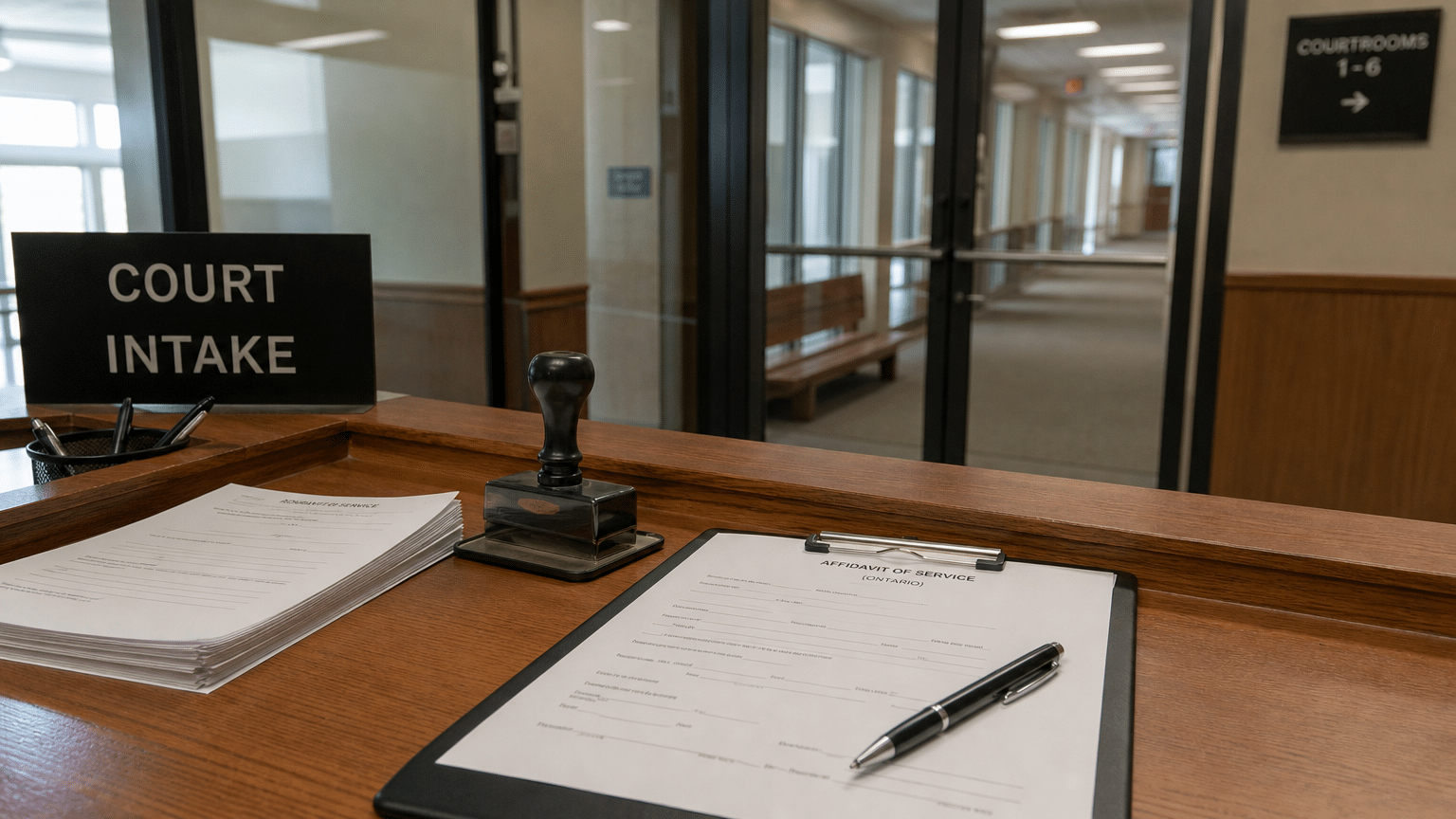
Clear, practical guide to completing an Affidavit of Service in Ontario Small Claims Court, with who should serve, methods, and filing tips.

Discover why you should notarize will in Ontario to avoid delays, satisfy banks and handle international assets—practical steps and legal insights.
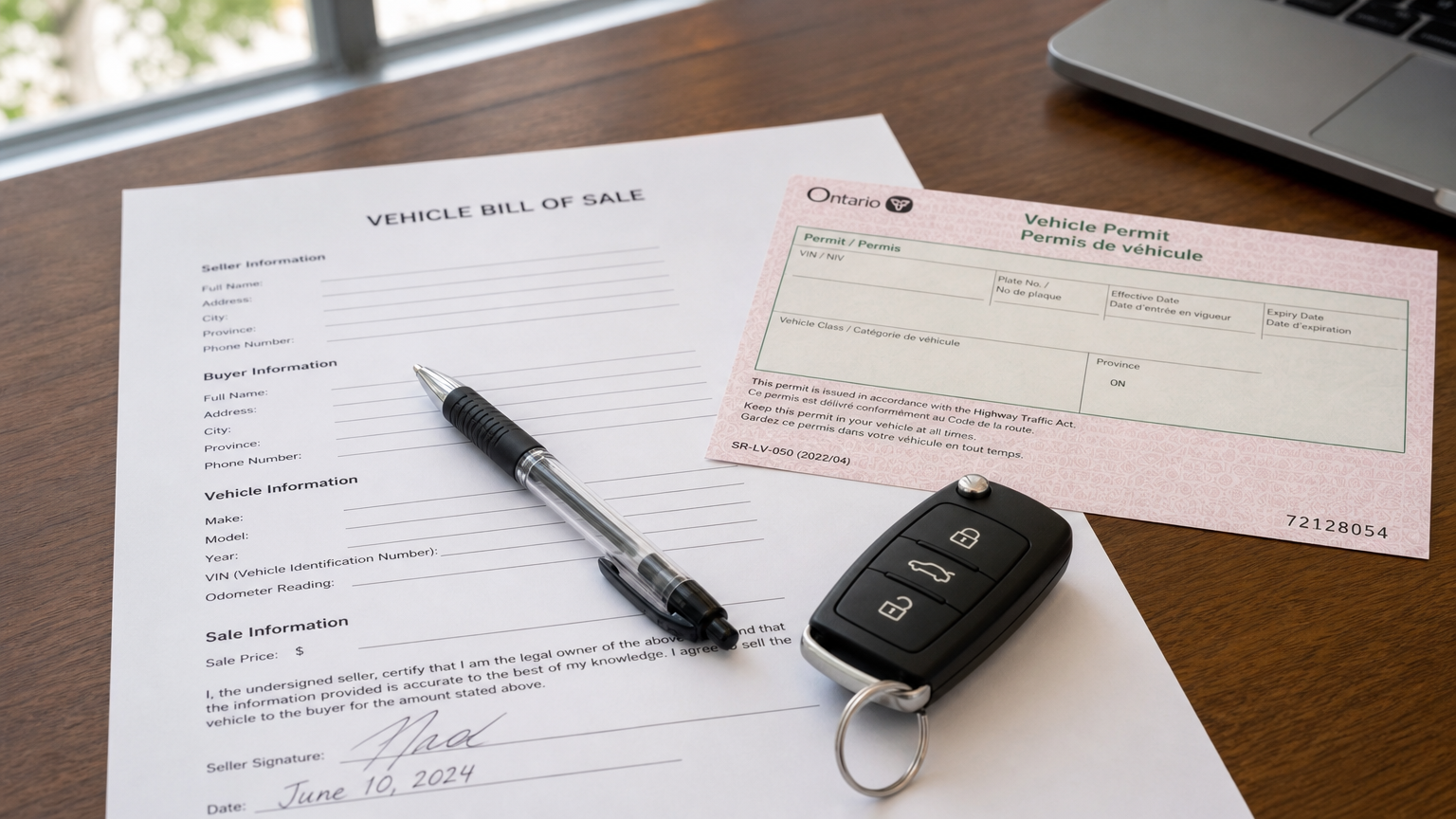
Essential vehicle transfer guidance for Ontario buyers and sellers, plus when notarization and statutory declarations are required.