Introduction
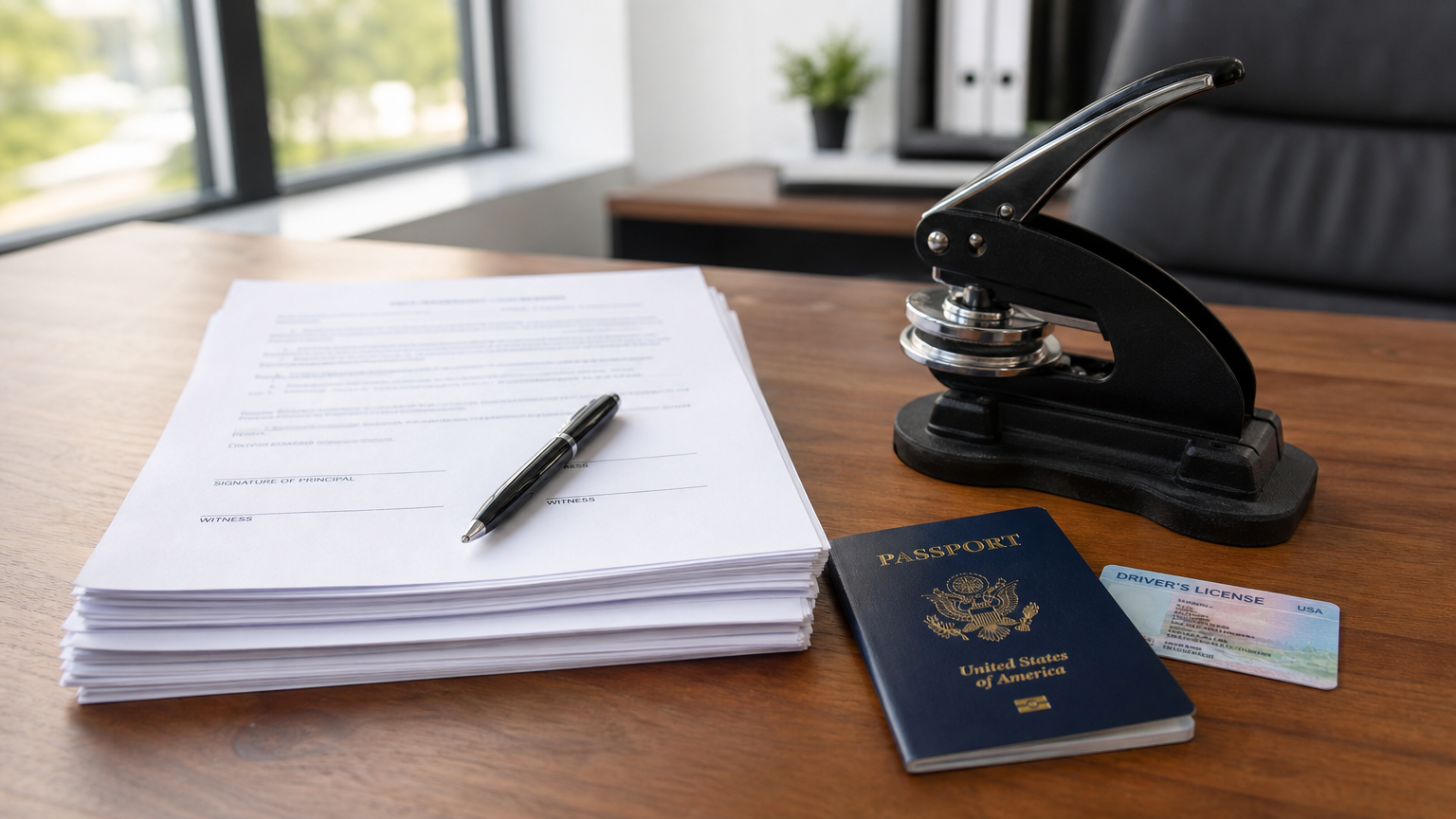
If you’ve been asked to submit a certified true copy, it helps to know exactly what that means and how to get one properly. Certified true copies are often required where originals can’t be surrendered—immigration files, school admissions, international transactions and various legal matters. This guide explains the purpose of a certified true copy, who can certify it, when it’s needed, and the steps to obtain one so your documents are accepted.
What Is a Certified True Copy?
A certified true copy is a faithful reproduction of an original document that an authorized official has examined and declared to be an accurate copy. The certifier compares the copy against the original and then adds a written declaration, their signature, date and an official stamp or seal to the copy. Typical wording might read “Certified True Copy of the Original Document.”
What certification does — and does not — mean
Certification confirms only that the copy matches the original presented at the time of inspection. It does not confirm the authenticity or legal validity of the original document itself. If a counterfeit original is presented, a certified copy will still match that counterfeit; the certifier is not validating the document’s provenance, only the accuracy of the reproduction.
Distinctive Features of a Certified True Copy
- Official stamp or embossed seal from the certifying authority.
- Signature of the certifying official, typically including name, title and date.
- A written certification statement indicating the copy is a true reproduction of the original.
- Clear, legible reproduction of all pages and any attachments or endorsements present on the original.
Who Can Certify a Document?
Authorized certifiers vary by jurisdiction, but commonly include notaries public, lawyers, and commissioners of oaths. Some public officials or court clerks may also have authority. Always confirm with the receiving organization which officials they accept, since requirements differ between institutions and countries.
When You Might Be Asked for a Certified True Copy
- Immigration and visa applications where originals must remain with applicants or where authorities require copies.
- Academic admissions and credential evaluations when institutions cannot retain original diplomas or transcripts.
- Legal proceedings and court filings that require copies for records or for parties who cannot or should not surrender originals.
- International business transactions and banking where certified documentation is needed to meet compliance or due-diligence standards.
How to Get a Certified True Copy: Step-by-Step
- Prepare the original document and one or more clear photocopies or printed reproductions of every page to be certified.
- Bring valid photo identification, as certifiers typically require ID from the person presenting the documents.
- Present the original and the copy to the certifying official so they can compare each page for completeness and accuracy.
- Request that the certifier apply their signature, official stamp or seal, date, and the certification statement on the copy. Some certifiers may certify each page; others apply a statement to a cover page—follow the certifier’s standard practice unless a specific format is required by the receiving party.
- Obtain any additional endorsements if the document is destined for use overseas. Certain countries require further legalization steps such as an apostille or embassy/legalization stamp.
International Use: Apostilles and Legalization
If the certified true copy will be used in another country, check whether the destination requires an apostille under the Hague Convention or consular legalization. An apostille is a separate certification issued by an appropriate government authority that confirms the signature and capacity of the certifying official. Countries outside the Hague system often require embassy or consular legalization. Rules vary, so verify requirements well before any deadlines.
Common Pitfalls and How to Avoid Them
- Submitting low-quality copies: ensure all text, stamps and signatures on the original are legible in the reproduction.
- Using an unacceptable certifier: confirm beforehand which officials the receiving organization accepts.
- Missing attachments or pages: certify all pages, including blank or reverse sides if they contain marks or endorsements.
- Assuming certification verifies authenticity: if the receiving party needs proof of the original’s legitimacy, they will state that separately—don’t rely on a certified copy to establish provenance.
- Not allowing time for further legalization: international legalization processes can take additional days or weeks, so plan ahead.
Conclusion
Certified true copies provide a practical way to submit documents when originals cannot be surrendered. They prove the copy matches the original at the time of certification but do not guarantee the original’s authenticity. To ensure acceptance, use a recognized certifier, provide clear reproductions of every page, and confirm any additional legalization steps required for international use. Proper preparation and verification of requirements will minimize delays and rejection of your documents.
Essential guidance on NDA notarization in Ontario: when it’s required, how the process works, and how to prepare for a smooth notarization.
Essential vehicle transfer guidance for Ontario buyers and sellers, plus when notarization and statutory declarations are required.