Introduction
Fingerprinting is a common requirement across many official processes in Canada. Whether you need it for immigration paperwork, a new job, or a security clearance, knowing what to expect will make the process faster and less stressful. This guide explains why fingerprints are requested, the collection methods, step-by-step instructions for getting fingerprinted, and special situations to consider.
Why fingerprinting is required in Canada
Fingerprints are used to confirm identity and check criminal history. They are typically requested for:
- Immigration and citizenship applications: Federal immigration authorities require criminal background checks, including fingerprints, for most visa, permanent residence and citizenship applications.
- Employment screening: Employers in fields such as healthcare, education and certain government roles often mandate fingerprint-based checks for positions that involve vulnerable populations or access to sensitive information.
- Security clearances: Staff who work on government contracts or inside secure government facilities usually undergo fingerprinting as part of the vetting process.
- International visa applications: Many other countries require Canadian applicants to provide certified criminal background checks supported by fingerprints.
Types of fingerprinting used in Canada
There are two main methods for capturing fingerprints:
- Ink-and-roll (traditional) prints: Fingerprint impressions are taken on special cards using ink. These are still used when a physical fingerprint form is required.
- Live-scan / electronic capture: A digital scanner records fingerprint images directly to a computer. Electronic captures are faster, cleaner and commonly accepted where digital submissions are permitted.
How to get fingerprinted in Canada — step by step
1. Confirm requirements
Start by checking the specific fingerprint and criminal-check instructions for the agency or organization requesting the prints. Requirements differ by purpose—immigration, employment and foreign visa processes may each have distinct forms, formats and submission methods.
2. Choose an approved collection option
Fingerprints can be collected at local police detachments, designated biometric collection centres, or other authorized service providers. Confirm whether the receiving agency accepts digital prints or requires ink-and-roll cards.
3. Make an appointment (if required)
Many police stations and biometric centres accept walk-ins, but some ask you to book an appointment. Verify operating hours and whether you need to bring a printed request form.
4. Bring valid identification
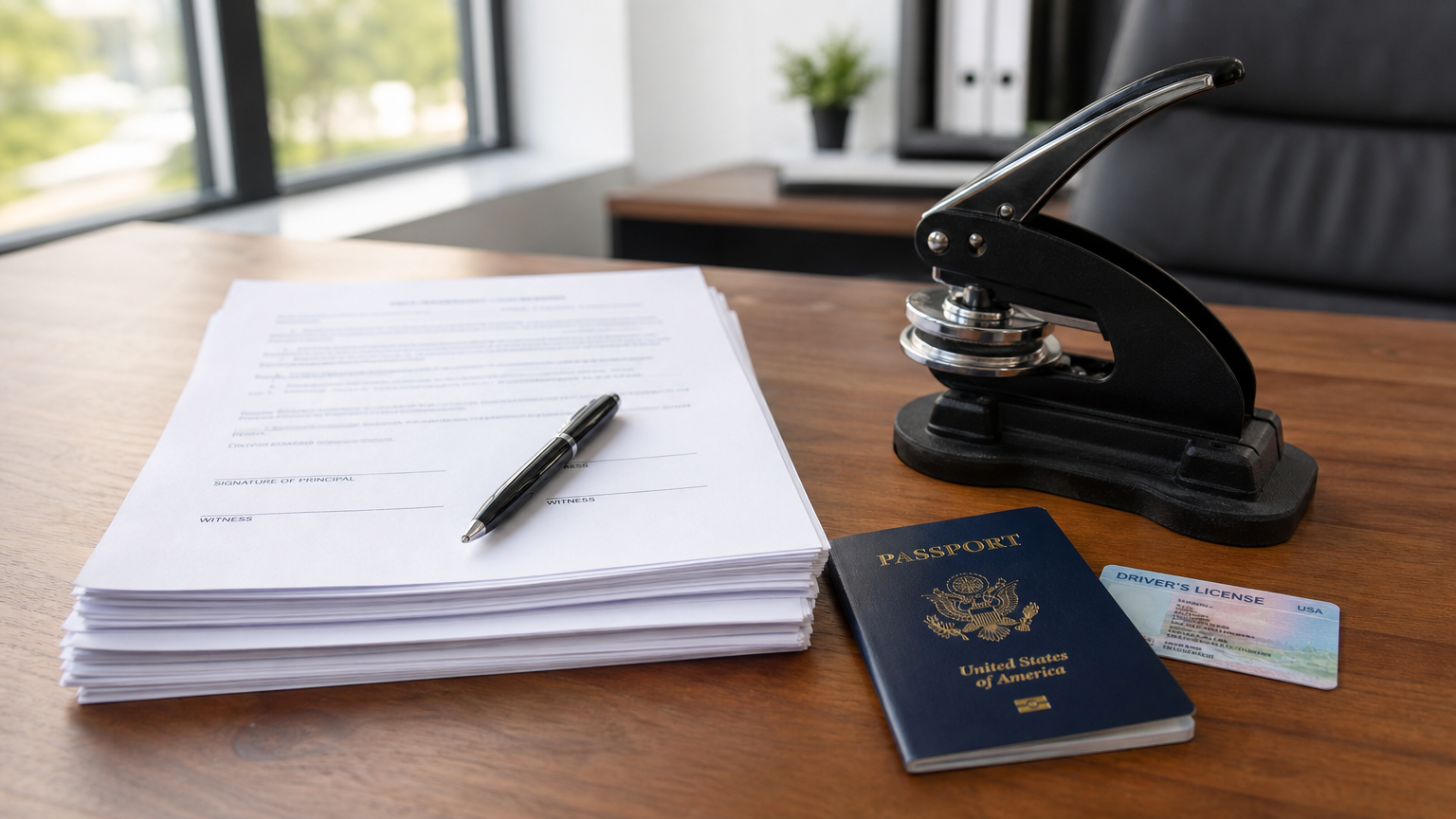
Take government-issued photo ID that matches the name on your application. Examples include a passport, driver’s licence or provincial ID. If you have multiple names (e.g., previous names, aliases), bring supporting documentation that explains the name history.
5. Provide consent and required documentation
You may need to sign a consent form or provide a copy of the request from the agency asking for the check. Have any official forms or reference numbers ready when you arrive.
6. The fingerprinting appointment
During the session, a technician will capture prints using the agreed method. The process typically takes 10–30 minutes depending on the method and whether any additional paperwork is needed.
7. Submission and processing
After collection, fingerprints are submitted to the national criminal database or the requesting agency for processing. Processing times vary by agency and purpose; your appointment provider or the requesting authority can give estimated timelines.
Special cases and considerations
- Minors: Children may need fingerprinting for some checks. Verify age-specific rules and whether parental consent or a guardian must be present.
- Damaged or missing fingerprints: If scars, burns or missing digits make standard captures difficult, inform the technician. Alternative documentation or specialist procedures may be required.
- Name changes and dual identities: Bring legal documents proving name changes or multiple identities to avoid delays in matching results.
- International requirements: Some foreign governments require fingerprint-based criminal checks to be authenticated or certified after collection. Check the destination country’s consular guidance for authentication steps.
- Privacy and record retention: Fingerprint data is used only for the stated background-check purpose. Ask the collecting agency about how long copies or digital records are retained and how to request removal or access where applicable.
Tips to avoid delays
- Confirm the exact format (digital or ink card) before attending.
- Bring original ID and supporting documents for any name changes.
- Arrive early and follow any appointment instructions provided by the collection site.
- Keep copies of forms, receipts and reference numbers in case you need to follow up.
Conclusion
Fingerprinting is a routine but important step for immigration, employment screening and security checks in Canada. By confirming requirements, choosing the correct collection method, and bringing the right documents, you can complete the process quickly and reduce the chance of delays. When in doubt, contact the requesting authority or the fingerprint collection site to confirm the exact steps for your situation.
Essential guidance on NDA notarization in Ontario: when it’s required, how the process works, and how to prepare for a smooth notarization.
Essential vehicle transfer guidance for Ontario buyers and sellers, plus when notarization and statutory declarations are required.