Introduction
Many countries require a certificate of non‑impediment to confirm that a foreign national is legally free to marry. Because Canada does not maintain a national marriage registry, it does not issue a standard national certificate of non‑impediment. Instead, Canadian residents must rely on alternative documents—such as sworn statements, provincial records, and authenticated certificates—when preparing to marry overseas. This article explains what Canada provides, which supporting documents are commonly accepted, and the steps to prepare documents for use abroad.
Why some countries ask for a certificate of non‑impediment
Foreign civil registrars and consulates request a certificate of non‑impediment to reduce the risk of marriages that would be legally invalid in the applicant’s home country (for example, due to an existing marriage). Because overseas authorities cannot directly access Canadian provincial records, they often require documentation that demonstrates an applicant’s civil status or confirms that Canada cannot issue a national certificate.
Canada’s approach: no national certificate
Canada does not maintain a central, national marriage registry. Provinces and territories keep marriage records, and there is no single federal certificate of non‑impediment. As a result, applicants from Canada commonly use a combination of documents to satisfy foreign requirements, including the following options.
Common documents used in place of a certificate of non‑impediment
- Certified copy of a provincial or territorial marriage certificate (to show a previous marriage).
- Final divorce certificate or final divorce order where applicable.
- Death certificate for a former spouse, where relevant.
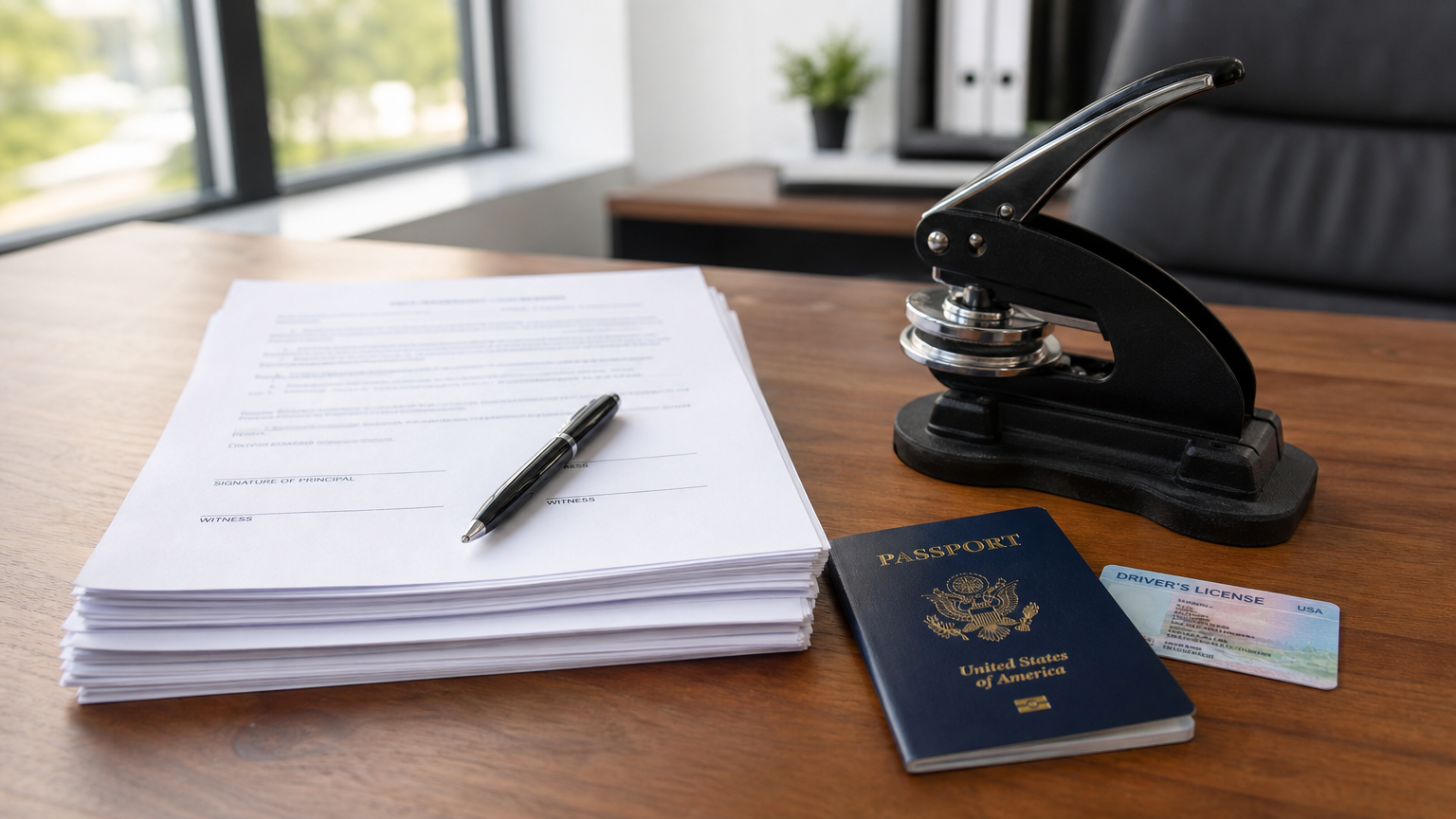
- Statutory declaration or sworn affidavit of single status, signed before a commissioner of oaths or notary public.
- A letter or formal statement from the Government of Canada indicating that the federal government does not issue national certificates of non‑impediment (used by some registrars as explanatory documentation).
How to prepare a statement or supporting documents
Requirements vary by country, so start by confirming the specific documents the foreign civil registrar or consulate requires. Typical steps are:
- Confirm the destination country’s requirements with its civil registry or consulate.
- Obtain any provincial or territorial certified copies you need (marriage, divorce, death certificates, or a marriage search where available).
- Draft a statutory declaration or sworn affidavit of single status if required, and sign it before a commissioner for taking oaths, notary public, or other authorized official.
- Translate documents into the official language of the destination country if translations are required; use a certified translator when specified.
- Allow extra lead time: some searches and certified copies can take days or weeks, and completing authentication steps adds more processing time.
Authentication and legalization for use abroad
Because many countries cannot accept Canadian documents without validation, documents intended for use overseas typically require two steps: federal authentication and consular legalization.
- Federal authentication: Documents are often authenticated by the federal department responsible for foreign affairs to confirm the signature and capacity of the official who issued or notarized the document.
- Consular legalization: After federal authentication, the destination country’s embassy or consulate may apply a legalization stamp or certificate to make the document valid for use in that country.
Note: Canada is not a party to the Hague Apostille Convention, so an apostille is not available for Canadian documents. Instead of an apostille, authentication and consular legalization processes are used.
Practical tips and common pitfalls
- Check requirements early: Acceptance criteria vary widely—some countries accept a simple explanatory letter plus a statutory declaration, while others insist on authenticated certified copies or final court documents.
- Provide originals or certified copies as requested—some registrars will not accept photocopies or uncertified printouts.
- Be prepared to produce additional proof of identity, such as passports, and to meet any waiting periods or residency requirements imposed by the foreign authority.
- Allow time for translations, federal authentication, and consular legalization; these steps can extend the timeline considerably.
Conclusion
Because Canada does not issue a national certificate of non‑impediment, Canadians planning to marry abroad should assemble the documents the destination country accepts—typically a mix of provincial certified records and a sworn statutory declaration—and complete any required authentication and legalization steps. Confirm the foreign registrar’s exact requirements well in advance and factor in extra time for searches, notarization, translations, and consular procedures to avoid delays or complications.
Essential guidance on NDA notarization in Ontario: when it’s required, how the process works, and how to prepare for a smooth notarization.
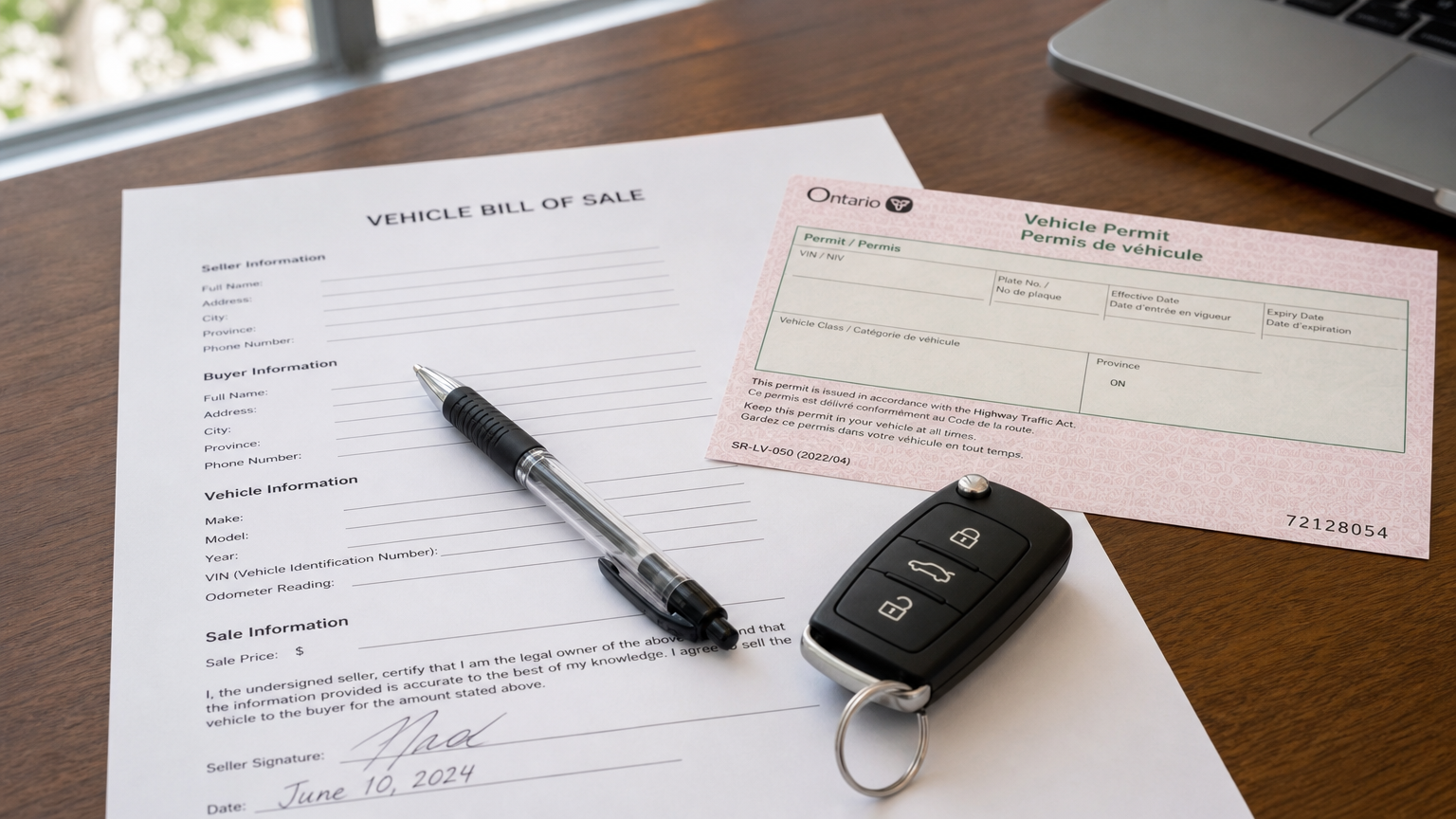
Essential vehicle transfer guidance for Ontario buyers and sellers, plus when notarization and statutory declarations are required.