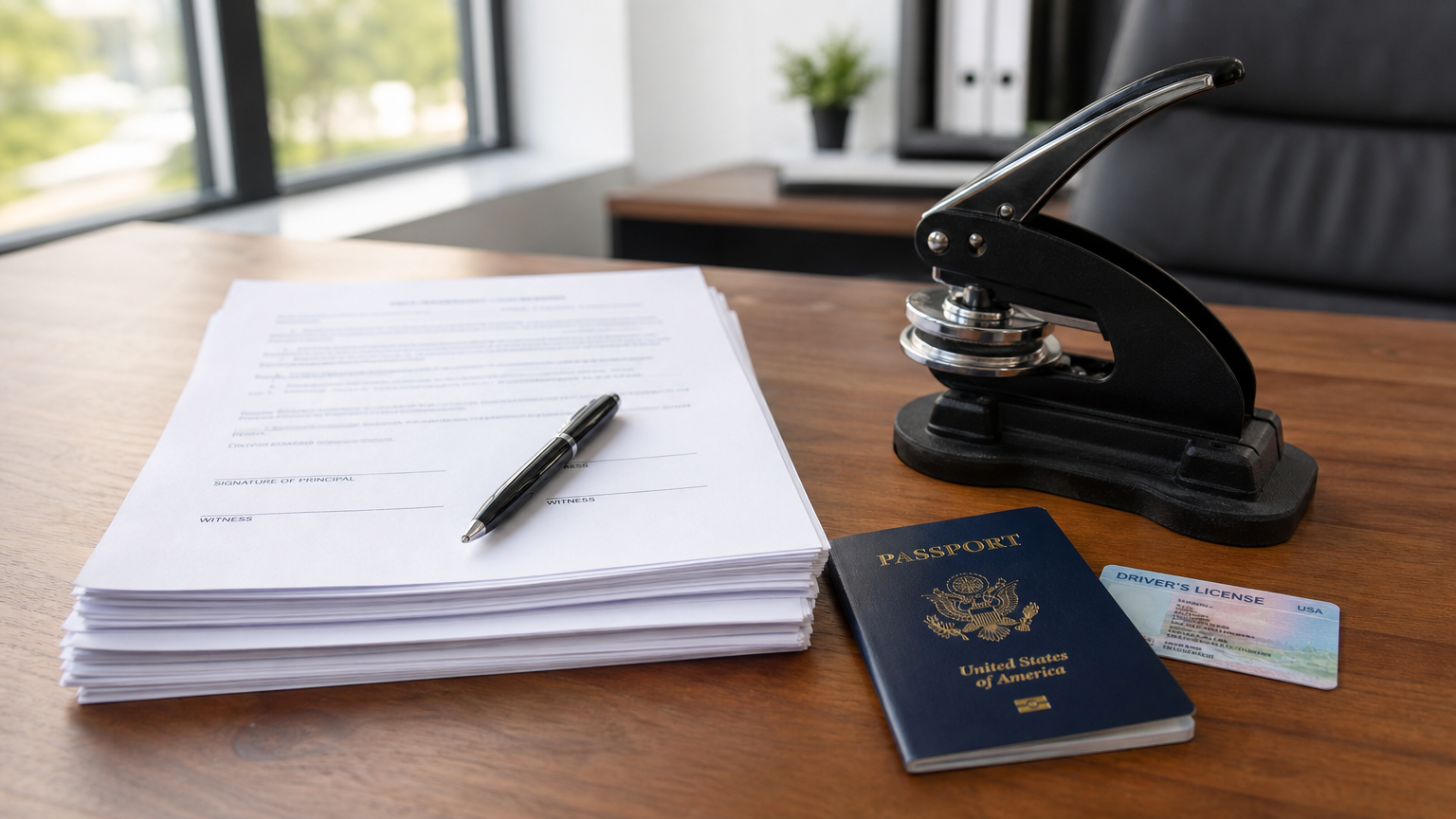
Introduction
When official papers like birth certificates, marriage licences, diplomas or business contracts are sent abroad, many countries require a formal verification to accept them as legitimate. Authentication by a Ministry of Foreign Affairs (MOFA) is a common national-level step that confirms earlier certifications and helps foreign authorities accept those documents.
What is MOFA Attestation?
MOFA attestation is an endorsement from a country’s Ministry of Foreign Affairs confirming that a document and its prior certifications are genuine. It does not evaluate the content of the document itself. Instead, it validates that earlier signatures, stamps and certifications were issued by authorised sources, allowing institutions and officials in other countries to rely on the document’s legitimacy.
What the Ministry Verifies
- The authenticity of signatures appearing on the document
- The validity of official stamps and seals
- That the officials who signed or certified the document were authorised to do so
Why MOFA Attestation Matters
Without MOFA attestation, authorities in the receiving country may refuse to accept foreign documents for official uses. This attestation demonstrates that a document has passed national-level scrutiny and can be presented with confidence to employers, educational institutions, immigration services and business partners abroad.
Common Situations That Require MOFA Attestation
- Applications for work visas and residency permits
- University admissions and credential recognition
- Marriage, birth or civil status documentation for use overseas
- Cross-border business agreements and corporate paperwork
How MOFA Attestation Fits into Document Legalization
MOFA attestation is typically one stage in a chain of verifications. While exact requirements differ by country, the usual sequence is:
- Initial certification or notarization by an authorised local official
- Regional or state-level authentication where applicable
- National-level attestation by the Ministry of Foreign Affairs
- Final legalization or acceptance by the destination country’s embassy, consulate or designated authority, if required
Each destination country has its own acceptance rules, so MOFA attestation may be followed by further steps before a document is fully recognised abroad.
Preparing Documents for MOFA Attestation
To streamline the process, gather and prepare documents carefully before submitting them for MOFA attestation. Practical steps include:
- Collect original documents and any required certified copies
- Obtain any preliminary notarizations or regional authentications specified by your country
- Prepare official translations if the receiving country requires them
- Confirm the exact attestation requirements and submission process for the destination country
- Allow sufficient time for processing and any additional embassy or consular legalizations
Conclusion
MOFA attestation provides national-level confirmation that a document and its prior certifications are genuine, making it a crucial step when using documents internationally. Knowing when it’s needed and preparing documents correctly helps avoid delays and ensures smooth acceptance by foreign authorities, universities, employers and business partners.
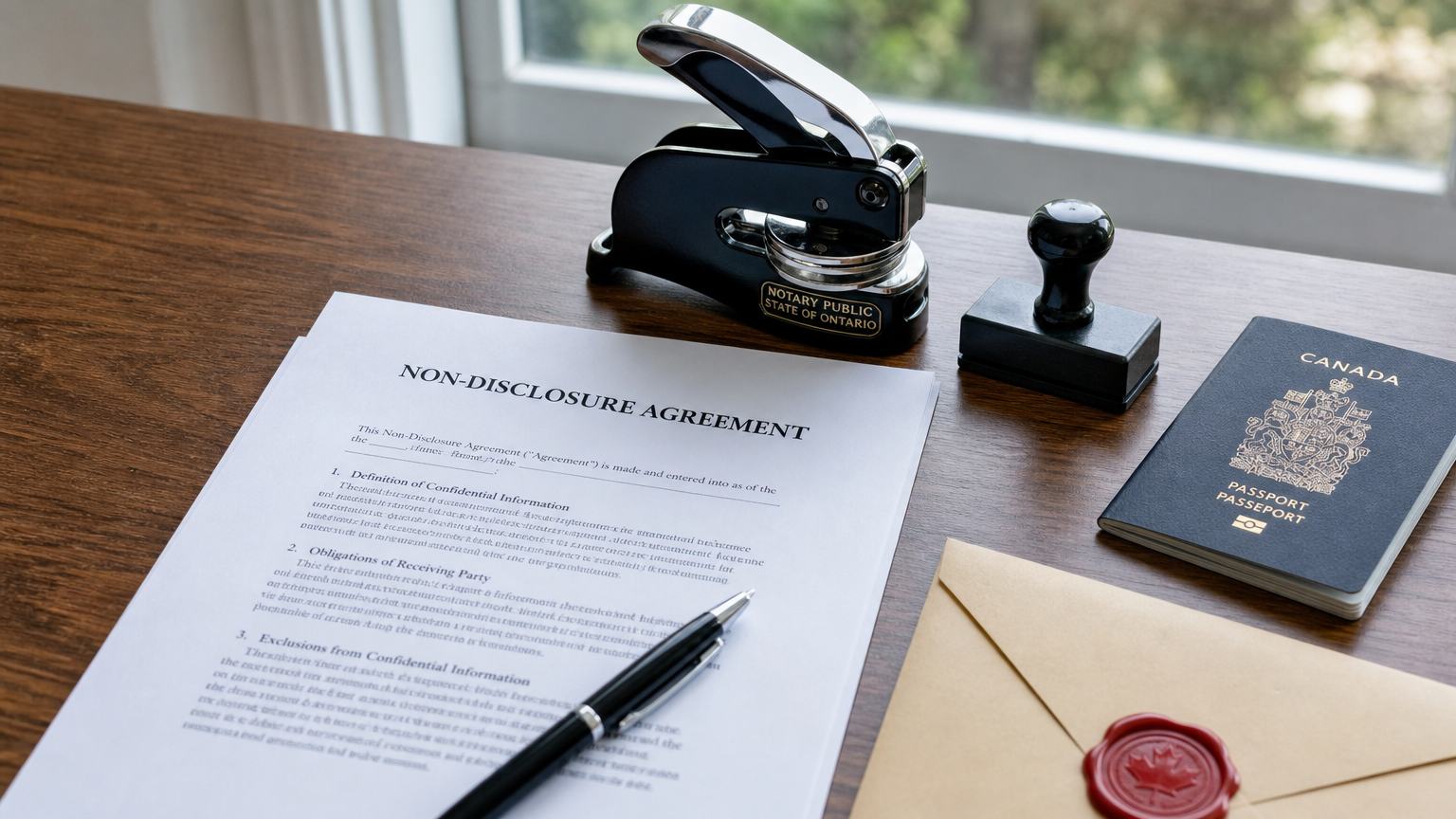
Essential guidance on NDA notarization in Ontario: when it’s required, how the process works, and how to prepare for a smooth notarization.
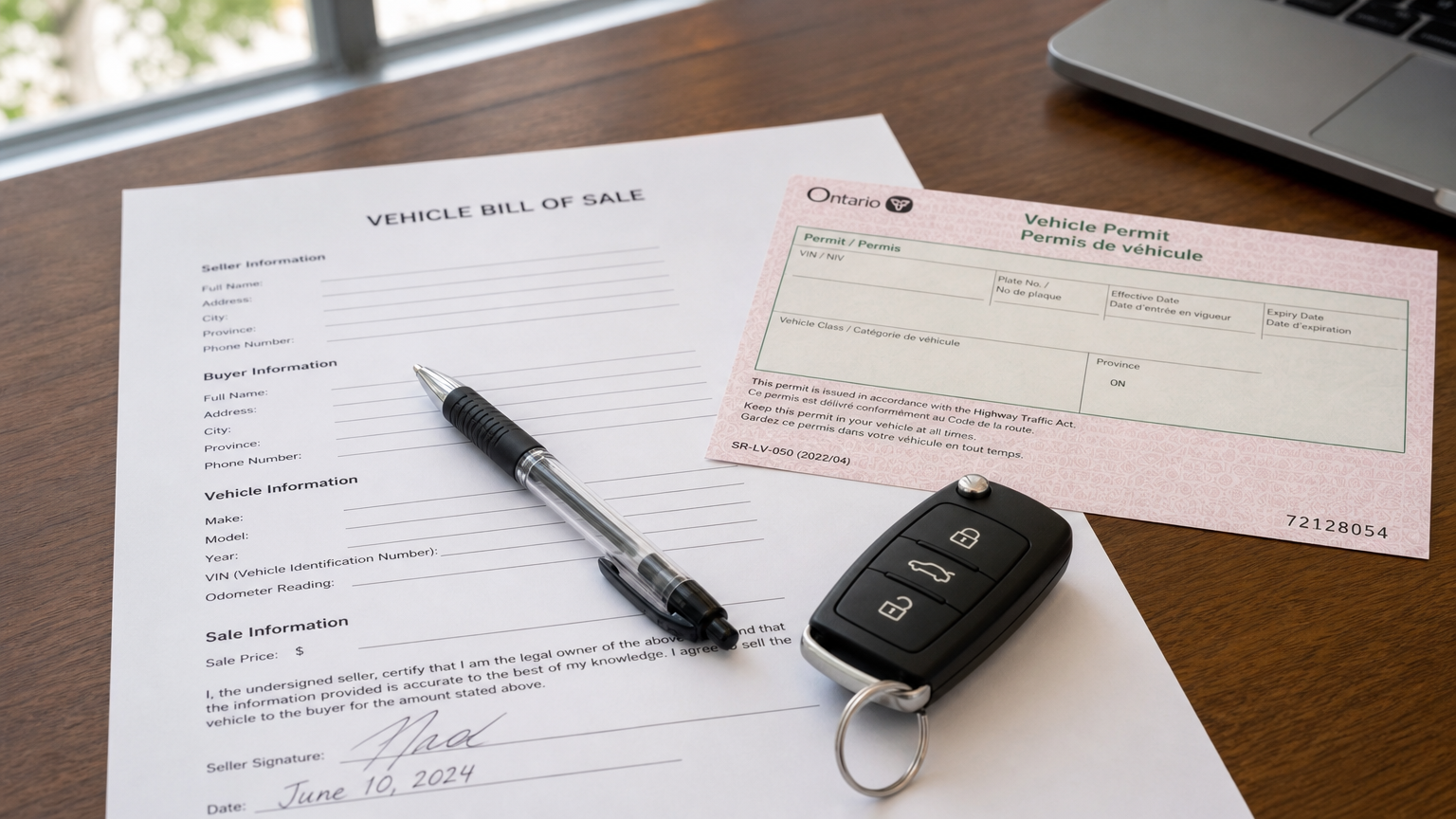
Essential vehicle transfer guidance for Ontario buyers and sellers, plus when notarization and statutory declarations are required.