
Introduction
When signatories are located far away, coordinating a notarized signing can seem difficult — but it doesn’t have to be. With a little preparation you can avoid common delays and ensure documents are executed correctly the first time. The following checklist covers practical steps to brief clients, prepare paperwork, and understand what notaries can and cannot do.
Before the Appointment: Clear instructions for clients
Provide clients with explicit directions well in advance so they arrive ready and avoid mistakes that cause re-dos or delays.
- 1) Don’t sign anything before the notary instructs you to. The most frequent problem is documents signed in advance. Emphasize this and, if helpful, place a visible sticker or a bold notice on the first page of emailed attachments saying “Do Not Sign Yet.”
- 2) Bring valid identification and verify expiration dates. Tell clients which ID is required if the document specifies a particular form of identification.
- 3) Bring the physical documents to the appointment. Not all notary locations have reliable printing available, and a missing or blank page can halt the signing.
Witnesses and signature requirements
If the paperwork requires witnesses, clarify the rules so clients arrive prepared.
- 4) Arrange witnesses in advance. Make sure witnesses meet the requirements (for example: adults, not immediate family, and not parties to the transaction). A notary office may not be able to provide witnesses on short notice.
- 5) Anticipate follow-up needs. If a witness’s affidavit might be needed later, recommend choosing a witness who can be easily contacted if required.
Document preparation and formatting
Organize documents ahead of time to reduce friction at signing.
- 6) Provide all required copies. If a form is needed in multiple originals, include each copy in the packet so the signer has everything at the appointment.
- 7) Pre-fill fields when possible. Complete as many non-signature fields as you can in advance to minimize confusion during the signing.
- 8) Call out special formatting or placement rules. Highlight anything the notary should watch for, such as initials needed in the middle of pages, specific ink color requirements (for example, signatures in black ink), or other unusual instructions.
Coordination with the notary
Make the notary’s job easier by communicating specifics up front and respecting the limits of notarial authority.
- 9) Send documents to the notary in advance when possible. That allows the notary to flag issues early and advise if additional materials are required.
- 10) Inform the notary about any industry-specific details they should know but avoid asking the notary to provide legal advice or to explain the documents on your behalf unless they are authorized to do so.
Legal advice and identity verification — what to expect
Notaries have defined duties. Knowing those boundaries prevents misunderstandings that can compromise the signing.
- 11) Notaries generally do not provide legal advice. If a document requires the notary to certify that a signer was advised about the document’s contents, refer the client to an attorney or modify the document so the signer acknowledges receiving an explanation from you or another qualified counsel.
- 12) Identity verification is a core notarial function. Notaries will independently confirm the identity of each signer and can notarize confirmation-of-identity forms when needed.
- 13) Many notary services will not act as an agent for third parties to perform identification on their behalf. Notaries cannot bind their office to act as an outside agent unless explicit arrangements and authority are in place. If your process requires an agent-based identity confirmation, contact the notary in advance and provide the document so they can determine whether they can accept it.
Conclusion
Remote and out-of-town notarizations can proceed smoothly with advance planning. Tell clients not to sign before the appointment, ensure they bring valid ID and all document copies, arrange witnesses if required, and communicate any special instructions to the notary ahead of time. Remember the limits of notarial authority regarding legal advice and agency for identity verification — when in doubt, involve legal counsel or clarify the document wording before scheduling the signing.

Essential guidance on NDA notarization in Ontario: when it’s required, how the process works, and how to prepare for a smooth notarization.
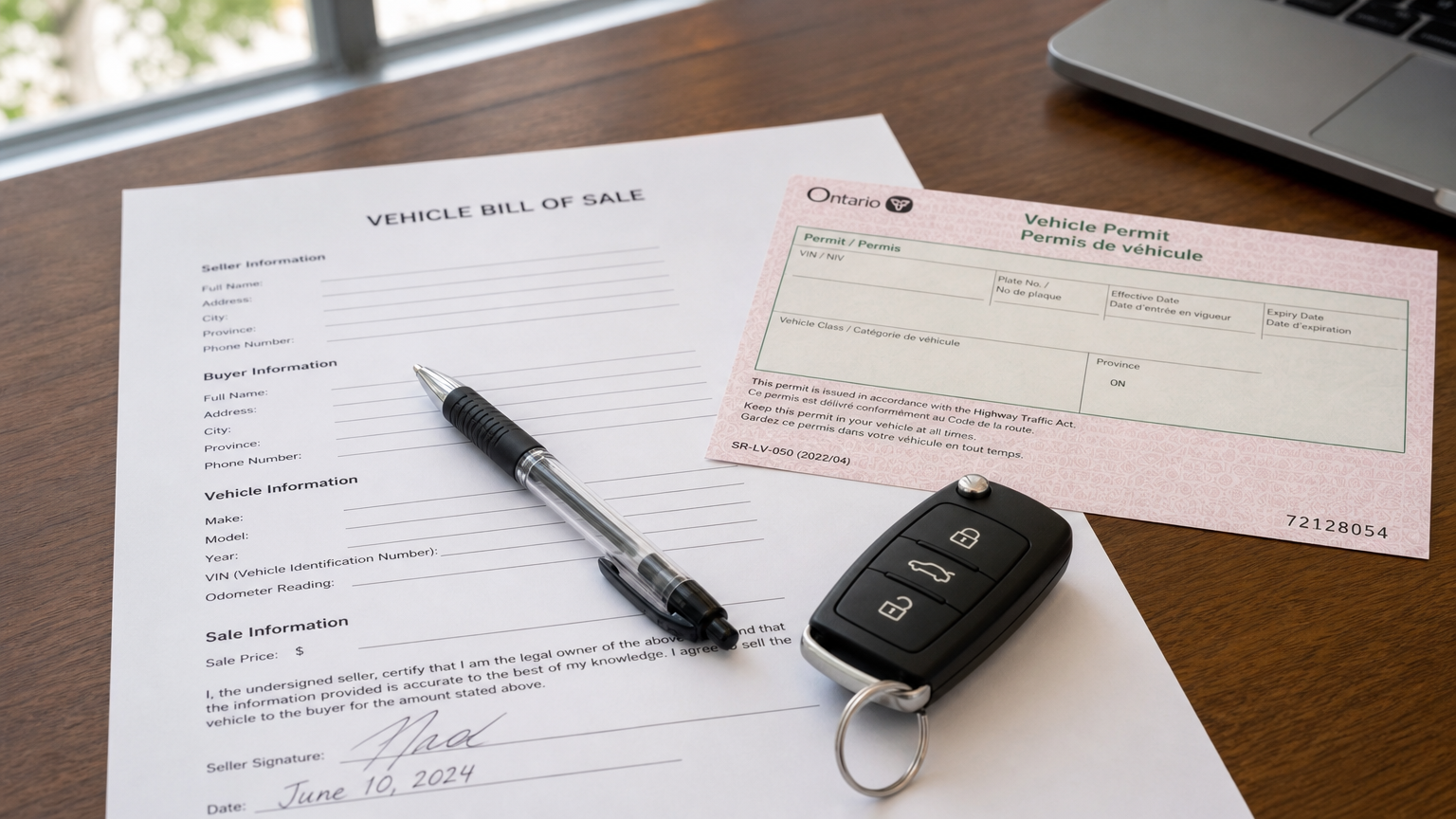
Essential vehicle transfer guidance for Ontario buyers and sellers, plus when notarization and statutory declarations are required.