
Introduction
Online notary services let individuals get documents notarized without leaving home or the office. This modern approach uses live video, identity checks, and electronic signatures to complete many types of notarizations quickly and securely. The process can increase access for people with limited mobility, busy schedules, or those living in remote areas.
What Is an Online Notary Service?
An online notary service, often called remote notarization, replaces an in-person meeting with a real-time video conference between the signatory and a commissioned notary. During the session the notary confirms the signer’s identity, watches the signing, and applies a digital or electronic notarial certificate. Many providers also record the session and store identity verification records to meet legal requirements.
How Online Notary Services Enhance Accessibility
Remote notarization expands access in several practical ways:
- Mobility and health: People who are homebound, have disabilities, or are recovering from illness can complete notarizations without travel.
- Geographic reach: Residents in rural or underserved areas no longer must travel long distances to find a notary.
- Time savings: Appointments are typically brief—often around 10–15 minutes—and can fit into busy schedules outside standard office hours.
- Cost and convenience: Reduced travel and waiting times lower indirect costs and simplify logistics for caregivers or family members coordinating documents.
- Continuity of service: During public health disruptions or other events that limit face-to-face contact, remote notarization provides a viable alternative to in-person meetings.
What Happens During an Online Notary Appointment
While specifics vary by jurisdiction, a typical remote notarization follows these steps:
- Schedule the appointment and gather required documents and identity evidence.
- Join a secure video session at the scheduled time using a computer, tablet, or smartphone with camera and microphone.
- Verify identity through government-issued photo ID and additional authentication checks (for example, knowledge-based questions or credential analysis), as required by law.
- Allow the notary to view the unsigned original document or an e-document, then sign only when instructed.
- Receive the notarial certificate: the notary will apply an electronic seal or complete a signed paper certificate, depending on the format permitted.
- Obtain any recordings or transaction records the notary provides for your records.
Tips for Attending an Online Notary Appointment
To make the appointment efficient and trouble-free, prepare in advance:
- Test technology: Check your device camera, microphone, internet connection, and browser or app in advance.
- Gather IDs: Have valid, unexpired government-issued photo ID(s) ready and positioned so the notary can read the details clearly on camera.
- Prepare documents: Keep originals or the exact documents you will sign nearby and do not sign them until the notary instructs you to do so.
- Choose a quiet, well-lit space where your face and the documents are clearly visible on camera.
- Ask about witnesses: Some documents require witnesses in addition to a notary; verify whether witnesses must be present in-person or may attend remotely under local rules.
- Confirm retention and certification: Ask how session recordings, identity verification records, and the notarial certificate will be delivered and retained.
When to Use Online Notary Services
Remote notarization is ideal for many everyday transactions, especially when speed and convenience matter. Typical situations include:
- Signing contracts and business agreements where parties are in different locations.
- Authorizing powers of attorney or healthcare directives, particularly for caregivers or those with limited mobility.
- Real estate closings or mortgage documents when electronic options are permitted by law.
- Financial authorizations, affidavits, and notarized copies of documents.
However, availability and acceptability depend on local laws. Some jurisdictions restrict remote notarization for certain instruments such as wills, court filings, or documents intended for foreign authorities. Always confirm whether remote notarization is legally valid for your specific document and destination.
Documents You Can Typically Sign Online with a Notary
Eligibility varies, but remote notarization commonly covers:
- Powers of attorney and healthcare directives (subject to local rules).
- Affidavits and sworn statements.
- Real estate documents and loan paperwork when electronic notarization is permitted.
- Business agreements, corporate documents, and board resolutions.
- Notarized copies of identification and other records.
Before proceeding, verify whether your receiving party, court, or foreign authority accepts notarizations completed remotely.
How to Book and Prepare for an Online Notary Appointment
Booking and preparation are straightforward when you know what to ask and bring:
- Confirm legal acceptance: Check whether your jurisdiction and the document’s recipient accept remote notarization.
- Schedule a session at a convenient time and request details about required IDs, witness rules, and file formats.
- Read instructions on how records and certificates will be delivered and how long they will be retained.
- Arrive to the session on time with original documents and identification; keep a backup device available if possible.
- Record transaction details: note the date and time of the notarization and request copies of the notarial certificate and any session records for your files.
Conclusion
Online notary services offer a secure, efficient alternative to in-person notarization that improves access for many people. By confirming legal acceptance, preparing documents and IDs, and following best practices for the video session, you can complete notarizations quickly and with confidence. If you have a specific document or jurisdictional question, consult a qualified legal professional or your local notarial authority before proceeding.

Essential guidance on NDA notarization in Ontario: when it’s required, how the process works, and how to prepare for a smooth notarization.
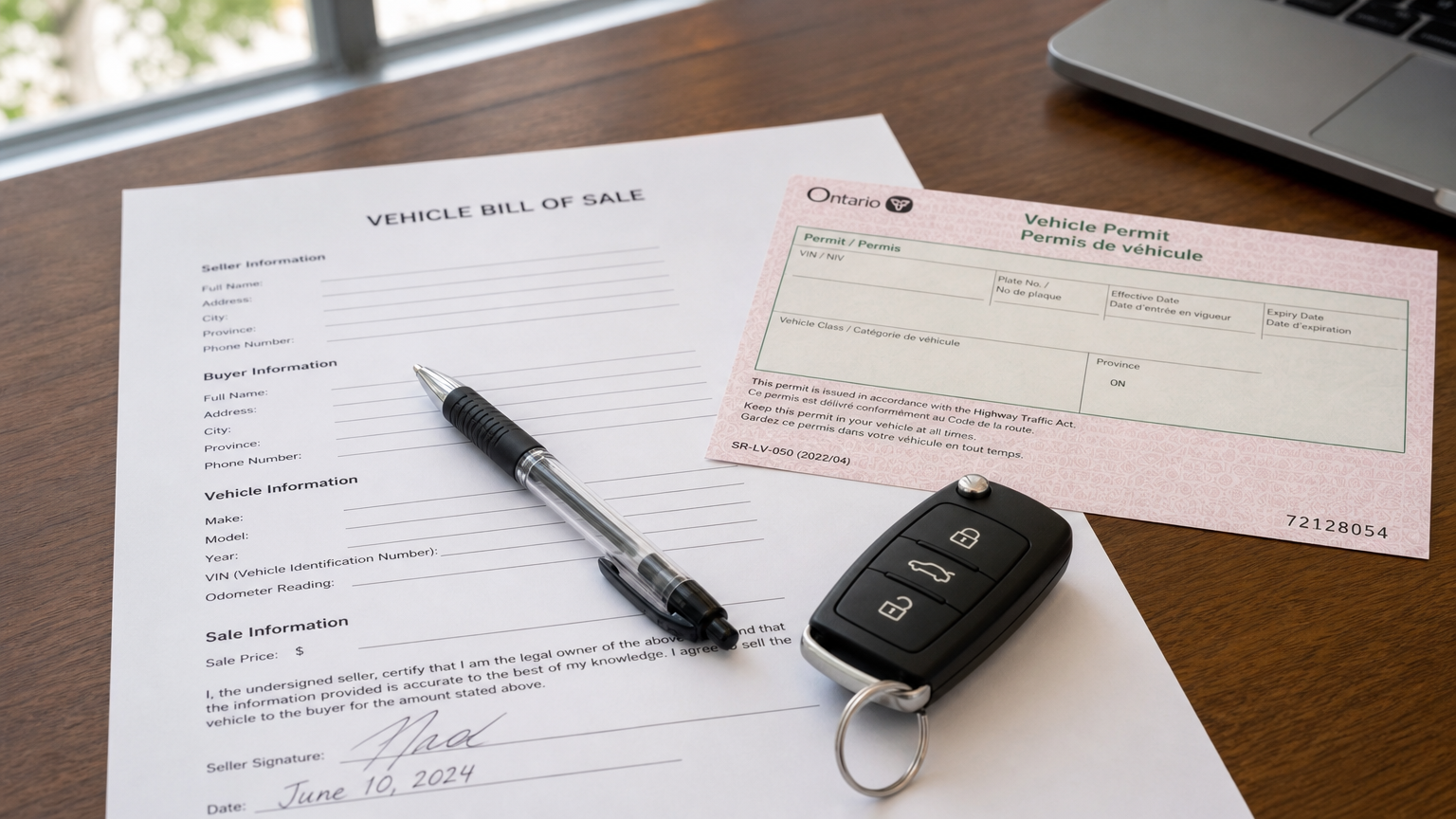
Essential vehicle transfer guidance for Ontario buyers and sellers, plus when notarization and statutory declarations are required.