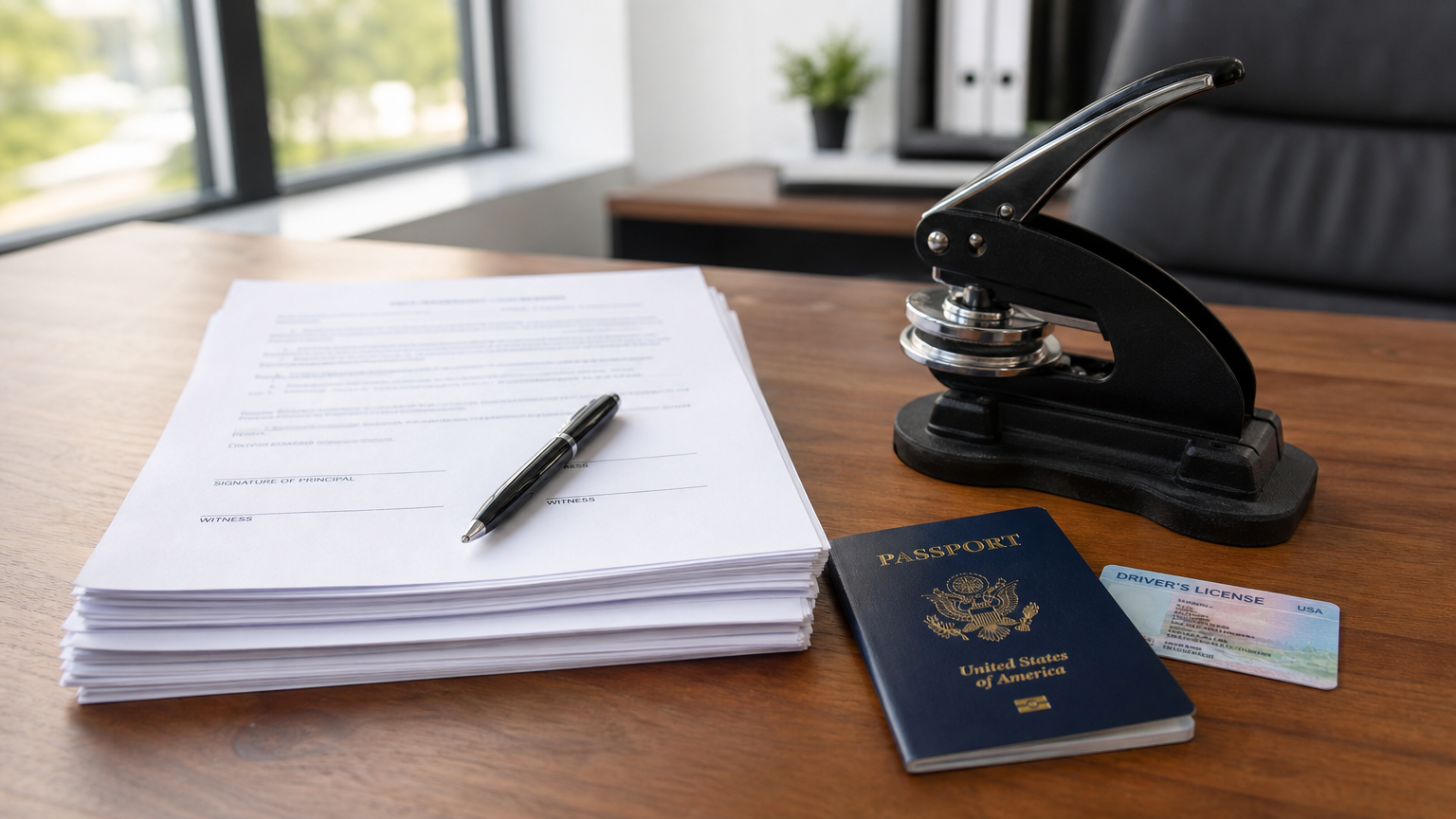
The Comprehensive Guide to Real Estate Buying
The path to homeownership is paved with a series of crucial steps that can seem daunting, especially for first-time homebuyers. Here’s a comprehensive overview of the real estate buying process, complemented by some crucial precautions to ensure a successful purchase:
1. Establishing Financial Readiness:
- Budgeting: Begin by setting a realistic budget based on your financial health.
- Mortgage Pre-approval: Secure a pre-approval to better understand your purchasing power and show sellers you are serious.
2. Property Search:
- Research: Dive deep into suitable neighborhoods, looking into safety, amenities, schools, and more.
- Realtor Assistance: Hiring a professional real estate agent can provide you with valuable insights and access to potential properties.
3. Property Viewing:
- In-Person Evaluation: Visit homes to gauge if they align with your needs and preferences.
- Information Gathering: Ask pertinent questions about the property, history, and neighborhood.
4. Offer and Negotiation:
- Making an Offer: Present your bid using your realtor as a mediator.
- Negotiation: This phase may involve back-and-forth discussions regarding prices, terms, and various contingencies.
5. Contract and Due Diligence:
- Purchase Agreement: Solidify your intentions and conditions with a formal agreement.
- Inspections: Engage professionals to inspect the property for any hidden issues.
6. Appraisal and Financing:
- Valuation: Ensure the property is appraised to confirm its market value.
- Finalizing Mortgage: Complete all documentation and formalities to secure your loan.
7. Title Search and Insurance:
- Title Verification: It’s paramount to confirm that the property title is free from any disputes.
- Insurance: Title insurance offers a safeguard against potential title discrepancies.
8. Closing Preparations:
- Financial Clarity: Review the Closing Disclosure to understand all payment details.
- Document Organization: Gather all necessary insurance papers and other vital documents.
9. Final Walk-Through:
- Last Check: Before closing, recheck the property to ensure no issues have arisen and all conditions are met.
10. Closing:
- Finalization: Attend the closing meeting, sign all the paperwork, and finalize your mortgage, if applicable.
11. Transfer of Ownership:
- Acquisition: With all formalities completed, take ownership and get the keys to your new home.
Potential Pitfalls and How to Dodge Them:
- Avoid Blind Spots: Ensure you’re pre-approved to steer clear of homes outside your budget.
- Seek Expertise: An agent can be invaluable, offering guidance and sharp negotiation skills.
- Do Your Homework: Don’t skip due diligence. Ensure thorough inspections and document reviews.
- Think Ahead: Factor in potential resale value during your purchase.
- Beware of Hidden Expenses: Account for all costs, not just the purchase price.
- Don’t Rush: Every decision should be well-considered, not impulsive.
- Contract Clarity: Ensure you thoroughly understand every aspect of the purchase agreement.
- Never Skip Inspections: They can unearth potential costly issues.
- Location Matters: A great home in a poor location might not be a wise investment.
- Master the Art of Negotiation: Efficient negotiations can yield better terms and cost savings.
Final Thought: Remember, while this guide offers a broad overview, local laws and procedures can introduce variations. Leveraging professional assistance, such as real estate agents, legal experts, and property inspectors, can greatly streamline your home-buying journey.
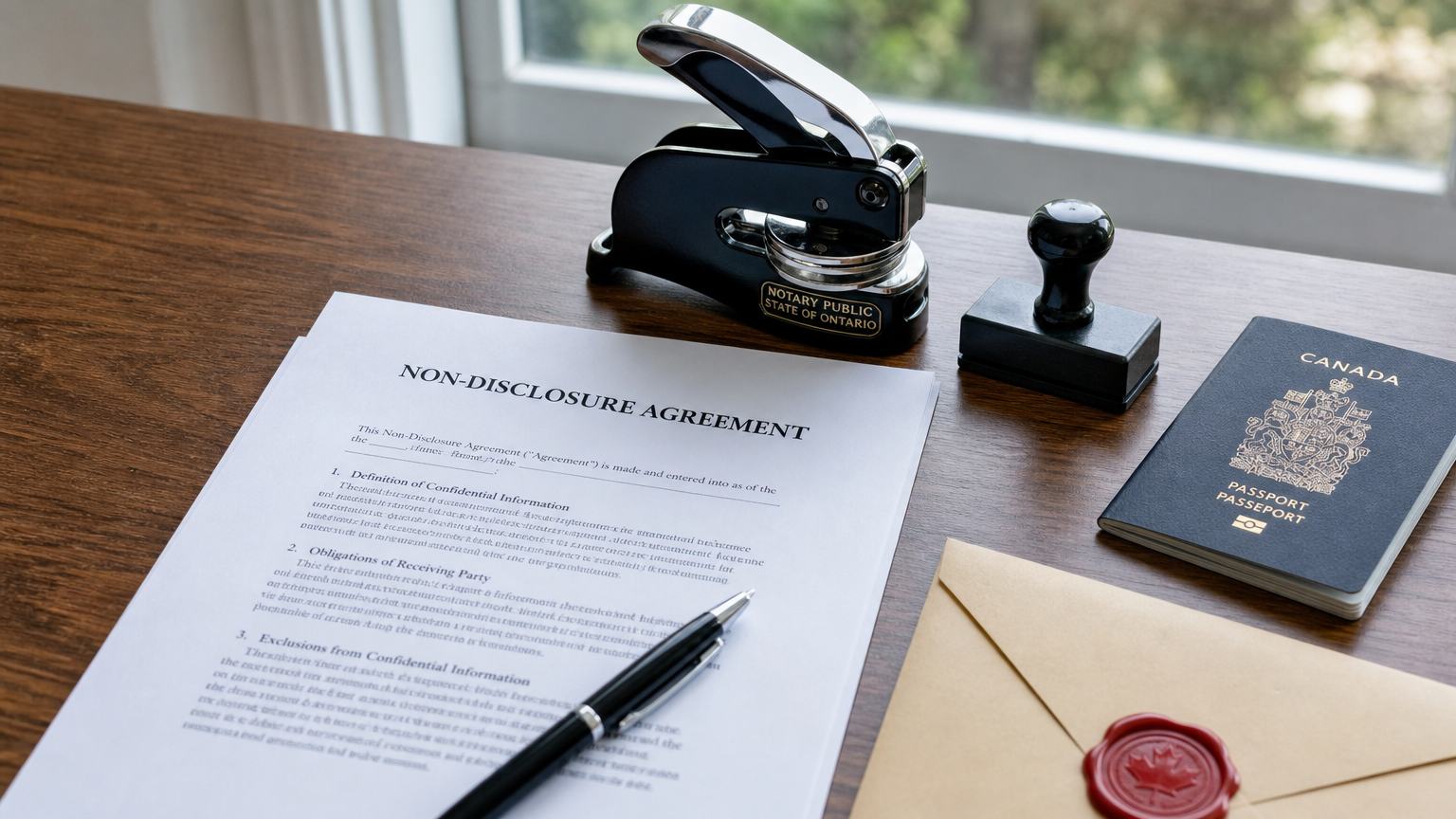
Essential guidance on NDA notarization in Ontario: when it’s required, how the process works, and how to prepare for a smooth notarization.
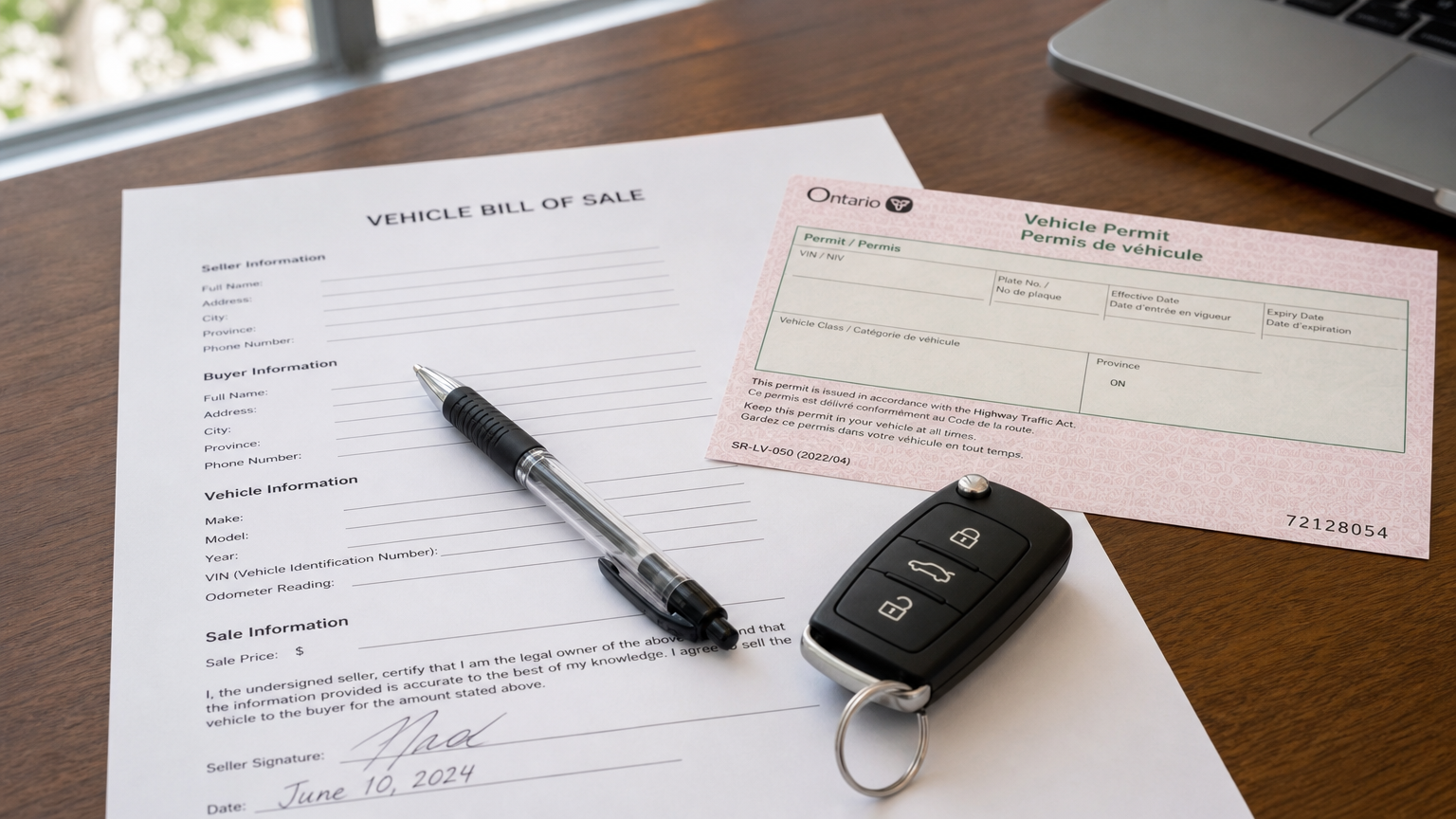
Essential vehicle transfer guidance for Ontario buyers and sellers, plus when notarization and statutory declarations are required.