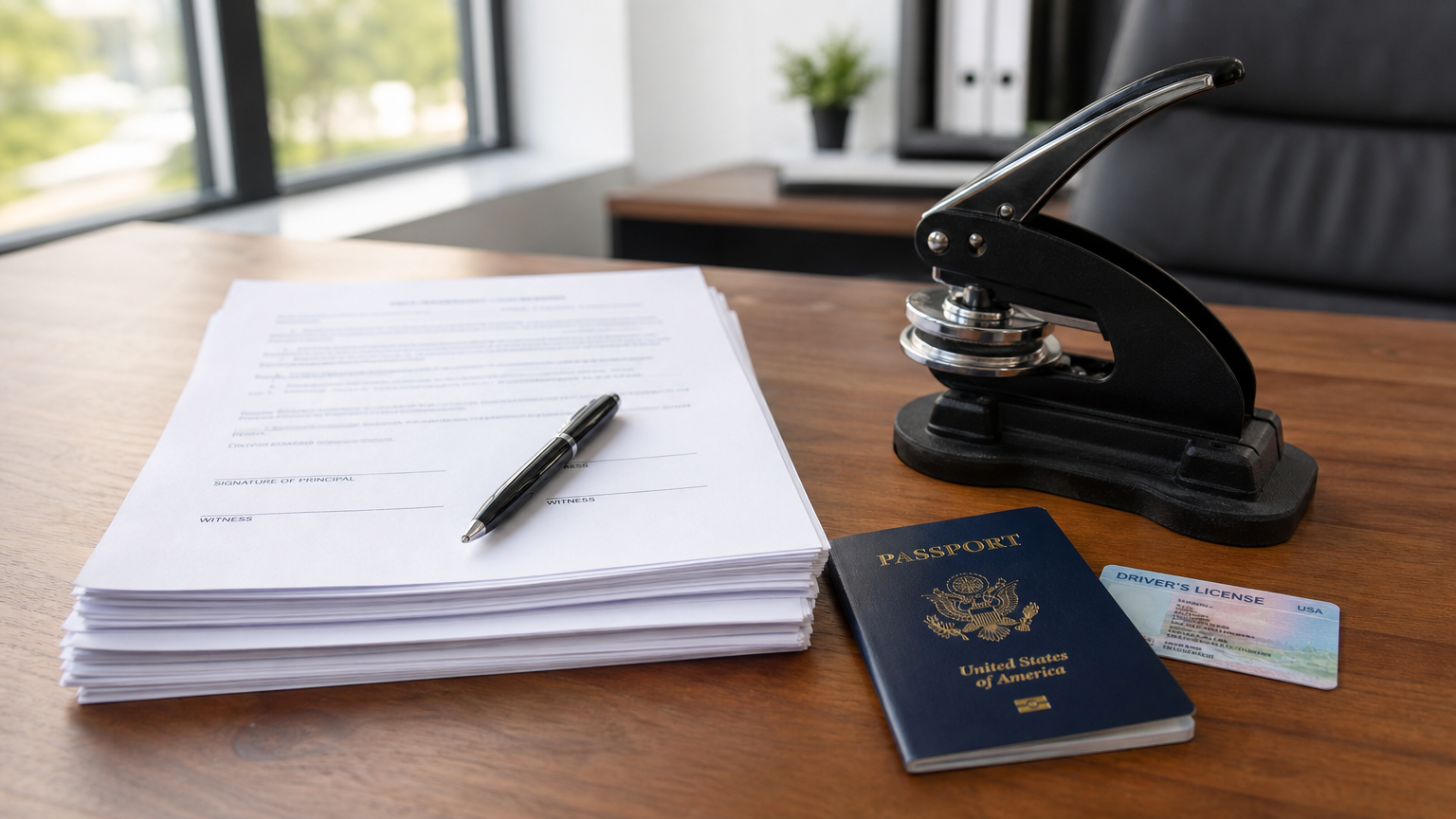
Introduction
When an organization asks for a certified true copy of a document, it means they want a formally verified duplicate rather than the original. These certified copies are commonly requested for immigration files, school admissions, international transactions, and court matters when the original must be kept safe or cannot be submitted. This guide explains what a certified true copy is, who can provide one, when it’s required, how to obtain it, and common pitfalls to avoid.
What Is a Certified True Copy?
A certified true copy is a reproduction of an original document that an authorized official has examined and confirmed to be an exact match. The certifying official compares the copy against the original, then adds a signed statement, date, and an official seal or stamp indicating the copy is a true copy of the original presented.
Importantly, certification confirms only that the copy accurately reflects the original at the time of inspection. Certification does not prove the original’s authenticity or the truth of its contents—if the original is forged, a certified copy will still match that forged original.
Key Features of a Certified True Copy
- Statement of certification that the copy is a true copy of the original.
- Signature of the certifying official, often including name and title.
- Official stamp, embossed seal, or notarial mark from the certifying authority.
- Date of certification, showing when the comparison took place.
Who Can Certify a Document?
The specific list of authorized certifiers varies by jurisdiction, but common officials include:
- Notary public
- Lawyer or solicitor
- Commissioner of oaths or justice of the peace
- Government registrars or court officials for certain records
- Consular officers or embassy staff for documents intended for use abroad
Always confirm with the receiving organization which types of certifiers they accept, since some institutions require a particular official or additional steps for foreign use.
When You Need a Certified True Copy
Common situations that often require certified true copies include:
- Immigration and visa applications where the original cannot be submitted.
- Academic admissions or credential evaluations when transcripts or diplomas must be protected.
- International business transactions and legal filings that demand authenticated copies.
- Court proceedings and estate matters where originals must remain secure.
How to Obtain a Certified True Copy
Steps to get a certified true copy:
- Prepare the documents: bring the original document and a clear photocopy or a freshly printed copy of the original.
- Bring identification: the certifier will usually require government-issued photo ID for the person presenting the documents.
- Visit an authorized certifier: locate a notary, lawyer, commissioner of oaths, or other accepted official in your area.
- Allow the certifier to compare the copy to the original: the official will inspect both and confirm they match.
- Receive the certification: the certifier will sign, apply their stamp or seal, and add a statement and date to the copy.
- Pay any applicable fee: many certifying authorities charge a modest fee for the service.
Processing times are generally short—often immediate or same day—unless additional legalization is required for overseas use.
Using Certified Copies Abroad
If a certified true copy will be used in another country, additional steps may be necessary. Some countries accept a locally certified copy as-is; others require further legalization or an apostille under the Hague Convention. When an apostille or consular legalization is required, the document typically moves through a government office or embassy to receive the extra endorsement.
Check the requirements of the destination country or the requesting organization before proceeding so you follow the correct legalization path.
Common Mistakes and Tips
- Submitting uncertified photocopies when a certified copy is requested—always verify format requirements.
- Using a certifier who is not accepted by the receiving authority—confirm acceptable certifiers in advance.
- Failing to provide the original for comparison—certifiers need the original on hand to certify a copy.
- Assuming certification validates content—certification confirms copying accuracy, not authenticity.
- Not checking for additional legalization requirements for international use—ask the receiving office if an apostille or consular stamp is needed.
- Relying on a certified copy that has been altered or damaged after certification—keep certified copies secure and submit originals only when requested.
Conclusion
Certified true copies are a practical way to submit secure, verified duplicates of important documents without surrendering originals. They are widely used for immigration, education, legal, and international matters. To ensure acceptance, confirm who may certify in your jurisdiction, follow the specific requirements of the receiving organization, and ask whether further legalization is needed for use abroad. A correctly prepared certified true copy will save time and protect your original documents.
Essential guidance on NDA notarization in Ontario: when it’s required, how the process works, and how to prepare for a smooth notarization.
Essential vehicle transfer guidance for Ontario buyers and sellers, plus when notarization and statutory declarations are required.